|
An occasional blog about populist politics and popular music, not necessarily at the same time. LinksLocal Links Social Media My Other Websites Music Politics Others Networking Music DatabaseArtist Search: Website SearchGoogle: Recent Reading
Music DatabaseArtist Search: Website SearchGoogle: |
Blog Entries [1120 - 1129]Saturday, June 13, 2015 Rhapsody Streamnotes (June 2015)Another month (plus one day) since last one, this one by far the largest of the year so far, but actually the new records are way down: 59 (including new compilations) compared to 103 last month, and before that: 101, 114, 97, 132. The difference is a mop-up operation in the old music section, focusing on bands which placed records in a list published by Spin of their Top 300 Albums: 1985-2014. What I've tried to do was not just to fill in grades for listed albums I had missed but to pick up most of the previously unrated records of those artists. In some cases those records were highly recommended by others. In others I just felt like the context would help me out. And for completeness sake, I list the previously rated albums in the Notes below. (The file linked above has the complete list plus all of my grades to date.) That exercise was made possible by streaming from Rhapsody, and in some cases was limited by it. I've only gotten a little more than half way through the list, but thus far I've looked for the following records but not found them:
The second half will have more records to look up. I was originally missing 81 records from the list (27%). Thus far I've whittled that down to 46 (15%). Not surprisingly, as Spin's list gets more obscure, my coverage of it becomes a bit more scanty. Among the missing record artists to come: Aaliyah, Aerosmith, Tori Amos, Animal Collective, The Books, Boredoms, Neko Case, Cursive, The Deftones, The Field, Godspeed You! Black Emperor, Green Day, Janet Jackson, Jimmy Eat World, The Killers, Frankie Knuckles, Lil Wayne, Mastodon, Maxwell, M83, The Microphones, Mobb Deep, My Chemical Romance, Nine Inch Nails, Oasis, Orbital, Ride, Sigur Rós, Slint, Snoop Doggy Dogg, Sunny Day Real Estate, Swervedriver, System of a Down, Teenage Fanclub, The Unicorns, 2Pac, Wilco, Yo La Tengo. Most of those I've heard at least one record by. Just evidently not the right one. During the first two decades of the years in question, I only heard records I bought, and I made a point of only trying to buy records I would probably like. Rhapsody has allowed me to listen to more stuff I wouldn't have bothered with before, and more often than not it proves my instincts right. (Admittedly, I'm not a big alt/indie fan, and my hip-hop proclivities run away from gangsta and toward underground, so Spin has never been a very good predictor of my taste.) Indeed, of the records I've filled in so far, the grade breakdown suggests that I was mostly right to skip those records: A-: 4, B+(***): 4, B+(**): 6, B+(*): 5, B: 13 (40.6%) -- that split suggests some of the latter should have been graded lower, as probably would have happened had I bothered to play them more than once. By the way, Christgau had two of my four A- records at A- (both hip-hop), the other two at ** (but he had a different Built to Spill at A-). Even before the Spin piece, I started on this path by trying to clean up a pair of long-owned but never-graded Bright Eyes CDs. And at the last minute, I added a couple jazz albums while I was working on my Ornette Coleman post. Not big news that the unheard Colemans made the A-list, but I was surprised by two records with sideman appearances (not something he ever did much of). I'll keep chugging away on the Spin records next month, so the new record count may remain depressed. On the other hand, I have been skimming fairly efficiently, coming up with 12 A-list new releases this month vs. 8 last month (albeit 15 in April and 14 in March). Some of what I found this month was due to a premature mid-year best-of from Spin. I expect we'll see more "so far" lists at midyear approaches, so that should help identify prospects. As for the new records, this is landing at a point when Robert Christgau's weekly Expert Witness column has been suspended. I don't have any idea how to get the attention of Medium/Cuepoint and apply any pressure to renew the column -- I gather this isn't hopeless at this point, even if the odds aren't great. If he stops publication, there will certainly be worthwhile new albums that I (or pretty much anyone else) will never notice. I figured I could illustrate that with stats from this column, but it looks like he's only reviewed 2 of my 55 recent releases -- Cracker and Slutever, ones I was totally unaware of before he wrote them up (and don't like as much as he does). Still, those are things I wouldn't have heard of otherwise, and most month there are more of them. It also seems likely that he would eventually weigh in on several albums I like below: Bassekou Kouyate, Shamir, maybe Mbongwana Star and Willie & Merle. I also wonder whether he'll find something in Jason Derulo that eluded me. (And to a lesser extent, in all respects, Young Thug.) On the other hand, he's only noticed Murs on occasion (White Mandingos but no ¡Mursday!), and thus far he hasn't noted Colin Stetson (who may be a jazz guy but that isn't his fan base) at all. Most of these are short notes/reviews based on streaming records from Rhapsody. They are snap judgments based on one or two plays, accumulated since my last post along these lines, back on May 12. Past reviews and more information are available here (6549 records). Recent Releases
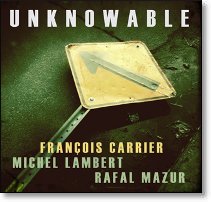
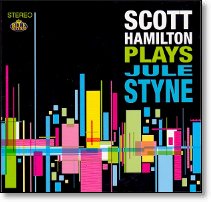
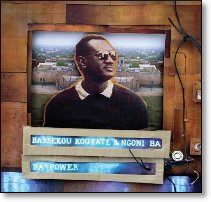
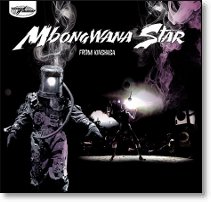
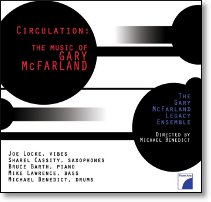
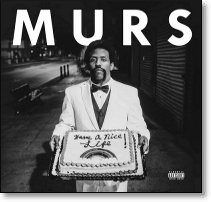
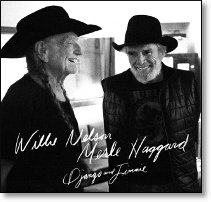
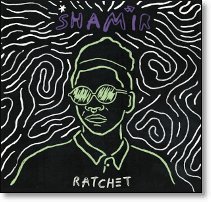
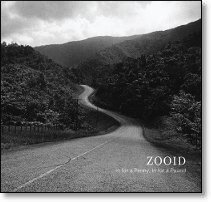
Aguankö: Invisible (2015, Aguankö Music): Latin jazz septet led by Alberto Nacif on congas, with trumpet, trombone, sax/flute, piano, bass, more percussion, and guests (including a vocal). Four (of nine) cuts are cha cha chas, two each mambos and guaguankos. B+(**) [cd] All Included: Satan in Plain Clothes (2014 [2015], Clean Feed): Scandinavian freebop group, one I file under saxophonist Martin Küchen's name because he organizes lots of groups like this, but Thomas Johansson's trumpet and Mats Äleklint's trombone are every bit as prominent, and the bass-drums of Jon Rune Strøm and Tollef Østvang keeps it all roiling -- so, yeah, all included. Just not sorted out as well as Küchen's Angles groups. B+(***) [cd] Aimée Allen: Matter of Time (2013-14 [2015], Azuline): Singer-songwriter, born and raised in Pittsburgh but moved to Paris (some songs in French), fourth album, about half originals, half standards, including a particularly nice "Corcovado" with Romero Lubambo. B+(**) [cd] American Wrestlers: American Wrestlers (2014 [2015], Fat Possum): Scottish singer-songwriter Gary McClure, formerly of Working for a Nuclear Free City, moved to St. Louis and came up with this understated but tuneful album. B Priscilla Badhwar: Mademoiselle (2014 [2015], self-released, EP): Not clear where she comes from, but this 6-track (21:17) CD was recorded in Austin, TX, featuring French tunes, some in French, some in English. B+(**) Blur: The Magic Whip (2015, Parlophone): First group album since 2003's Think Tank, although Damon Albarn has been busy in the meantime, with last year's solo album and various projects, most famously Gorillaz, perhaps best 2002's Mali Music. I take it the band has been periodically touring all along, and this album came together when they found themselves with some free time in Hong Kong. Less guitar and more pop than their 1990s albums; likable and professional. B+(**) Randy Brecker/Bobby Shew/Jan Hasenöhrl: Trumpet Summit Prague (2012 [2015], Summit): Three trumpet stars backed by the Czech National Symphony Orchestra and St. Blaise's Big Band, arranged and conducted by Vince Mendoza. The trumpets are fiery enough, but the only tune that gets everyone swinging is "Caravan" (so they play it twice). B [cd] Built to Spill: Untethered Moon (2015, Warner Brothers): First album in six years, only their third since 2001, the new group (aside from leader Doug Martsch) ever farther removed from the old group, except inasmuch as it was only the guitar that really mattered. Opens fiercely, then settles in for the long haul -- recapitulating the band's career. B+(*) Cannibal Ox: Blade of the Ronin (2015, iHipHop): Underground hip-hop duo, Vast Aire and Vordul Megilah, dropped their debut album, produced by El-P, in 2001 (The Cold Vein), went on to three or four solo albums each, and finally regrouped for their second album here (mostly produced by Bill Cosmiq). B+(***) François Carrier/Michel Lambert: Io (2013 [2015], FMR): Alto sax-drum duets, force the former to work harder which usually pays off but leaves some rough edges. B+(***) [cd] François Carrier/Michel Lambert/Rafal Mazur: Unknowable (2014 [2015], Not Two): Recorded live at Alchemia Jazz Klub in Krakow, in most ways comparable to the alto saxophonist's many recent records, with sidekick Lambert on drums, but Mazur's electric bass guitar rounds out the sound, adding a resonance that is missing in the duo. A- [cd] Hugo Carvalhais: Grand Valis (2014 [2015], Clean Feed): Portugese bassist, third album, a lovely avant-chamber thing with Dominique Pifarely on violin, Gabriel Pinto on keyboards (including organ), and Jeremiah Cymerman credited with "electronic manipulation." B+(**) [cd] Joan Chamorro & Andrea Motis: Feeling Good (2012 [2015], Whaling City Sound): Motis is a 20-year-old singer -- 16 when this was recorded -- from Spain who plays up the cuteness in her voice and works her way one fine standard after another -- "Lover Man" twice, once with strings and one without. Charmorro plays bass and tenor sax, leading a band that grows or shrinks almost unnoticeably. Motis also contributes some trumpet and alto sax. B+(***) [cd] Lorin Cohen: Home (2014 [2015], Origin): Bassist, from Chicago, based in New York, first album. I guess we can call the group a hornless septet, unless you want to count Yvonnick Prene's harmonica; the rest of the line up is piano (Ryan Cohan), vibes (Joe Locke), drums, steel pan, and percussion. B [cd] Colours Jazz Orchestra: Home Away From Home: Plays the Music of Ayn Inserto (2013 [2015], Neu Klang): Maybe I should refile this under Ayn Inserto, the conductor as well as composer. She studied at New England Conservatory, most notably under the late Bob Brookmeyer, and teaches and has her own big band in Boston. CJO is based in Italy, where this was recorded. Some nice passages, especially when they mix in that Latin tinge. B+(*) [cd] Cracker: Berkeley to Bakersfield (2014, 429 Records, 2CD): Former Camper Van Beethoven frontman David Lowery's country-rock outfit, off-and-on since 1992, but I don't think I ever noted the connection before. The Berkeley disc is straight-ahead rock, with occasional barbs about billionaires. The Bakersfield one breaks out the steel guitar and goes country, for better music if not politics. B+(***) Cuir: Chez Ackenbush (2014 [2015], Fou): French avant-jazz group: John Cuny (prepared piano), Jérôme Fouquet (trumpet), Jean-Brice Godet (clarinet), Yoram Rosilio (bass), Nicolas Souchai (trumpet) -- part of Jean-Marc Foussat's crazed stable. Rough going at first before they find some sort of interplay. B+(*) [cd] Dan Deacon: Gliss Rifter (2015, Domino): Plays synths and sings, his electronica not especially danceable, most interesting when the beat gets jumbled and trash avalanches from the shelves, but he has yet to marshall that into a real noise aesthetic. B+(*) Jason Derulo: Everything Is 4 (2015, Warner Brothers): I liked his 2014 album Talk Dirty as much as (nearly) anyone, and expected more here. First couple tracks seemed plausible, but then the first guest feat. (K. Michelle) tripped on a pet peeve then got worse. More slumming with the stars doesn't help. B+(*) Deux Maisons: For Sale (2013 [2015], Clean Feed): Avant-chamber group, two French (brothers Théo and Valentin Ceccaldi, violin and cello respectively), two Portuguese (Luis Vicente on trumpet and Marco Franco on drums). The strings scratch and itch, the drums and trumpet help pass the time. B+(**) [cd] Chris Dingman: The Subliminal & the Sublime (2013 [2015], Inner Arts Initiative): Vibraphonist, second album, commissioned by Chamber Music America, an impressive group with Loren Stillman (alto sax), Fabian Almazan (piano), Ryan Ferreira (guitar), Linda Oh (bass), and Justin Brown (drums). Aims for sublime but sometimes that just means pretty, or plodding. B+(*) [cd] The Eye: The Future Will Be Repeated (2015, Ba Da Bing): Experimental rock group from New Zealand, early albums (like 2005's Black Ice) have minimal cover artwork, perhaps with drones even simpler and starker than this minor klang. B+(**) Scott Hamilton: Scott Hamilton Plays Jule Styne (2015, Blue Duchess): Tenor saxophonist, a retro-swing throwback in the late '70s who's scarcely budged an inch since then, except maybe to deepen his feel for ballads. Styne's tunes range from "Sunday" in 1927 to "People" in 1964, a few you'll know instantly. With Tim Ray on piano, Dave Zinno (bass) and Jim Gwin (drums), plus a bit of guitar on one tune. Had I given this a casual spin, I would have said "typically fine," but it's been stuck in my changer for three days and I'll be sad when I have to move on. A- [cd] Fred Hersch Trio: Floating (2014, Palmetto): With John Hébert on bass and Eric McPherson on piano, starts with a rip roaring "You & the Night & the Music," ends with "If Ever I Would Leave You" (Al Lerner) and "Let's Cool One" (Monk), the filler originals dedicated to various contemporaries (as near as I can tell), and all the more exquisite when he slows down. (Came out last year and made a lot of lists.) A- [dl] Joe Hertenstein/Pascal Niggenkemper/Thomas Heberer: HNH2 (2013 [2015], Clean Feed): Drums, bass, and cornet respectively, the latter with the more substantial career (credits back to 1987 including some with ICP Orchestra, at least five albums under his own name), but the drummer gets much larger type as well as first billing (compositions: Hertenstein 4, Heberer 3, group 4). Nothing on the cover to distinguish this title from 2010's HNH but the liner notes refer to HNH2. Free jazz, not very flashy but engaging. B+(**) [cd] I Love Makonnen: Drink More Water 5 (2015, OVO Sound): Rapper Makonnen Sheran, released a legit EP last year and hitched a big single to Drake but returns here with a mixtape, his thirteenth since 2011. Not easy to find a streamable source of this, and I don't quite know what to make of it -- least of all a video I snagged with lots of drugs and exploding heads. Probably meant to be funny. B+(**) [dl] Christoph Irniger Trio: Gowanus Canal (2012 [2013], Intakt): Swiss tenor saxophonist, trio with Raffaele Bossard on bass and Ziv Ravitz on drums. They play free jazz, but mostly at a moderate pace you can follow, logic you can appreciate, and none of that screech or yowl. B+(***) Christoph Irniger Pilgrim: Italian Circus Story (2014, Intakt): Quintet, the leader's tenor sax still the only horn with Stefan Aeby on piano and Dave Gisler on guitar -- Aeby gets a lot of space. B+(**) Christoph Irniger Trio: Octopus (2014 [2015], Intakt): Once again, a mild-mannered free jazz tenor sax trio, impressive logic that sneaks up on you without threatening to blow you away. A- [cd] Eugenie Jones: Come Out Swingin' (2015, Open Mic): Singer, second album, wrote 8 (of 12) songs here, the covers covering ground from "Begin the Beguine" and "All of Me" to "Bye Bye Blackbird" and "It's a Man's Man's Man's World." B [cd] The Knocks: So Classic (2015, Big Beat, EP): NY duo, Ben "B-Roc" Ruttner and James "JPatt" Patterson aim for dance pop, with singles back to 2010 (including one called "Classic" dropped in here in two mixes) and an album in the works. Five tracks, 20:54. B+(*) Bassekou Kouyate & Ngoni Ba: Ba Power (2015, Glitterbeat): Ngoni player from Mali, his group featuring his wife, powerful singer Amy Sacko. Broke out a bit with 2013's Jama Ko, and this is comparably intense. A- Brian Landrus Trio: The Deep Below (2014 [2015], BlueLand/Palmetto): Usually a baritone saxophonist, has at least thre previous records, offers a tour of the deeper single reeds -- six cuts on bari, five on bass clarinet, two on bass flute, one with bass sax. Lonnie Plaxico gets some bass spots too. Billy Hart is the drummer on an album that is not only deep but softly understated. B+(***) [cd] Deborah Latz: Sur L'Instant (2013 [2015], June Moon): Standards singer, also acts, based in New York but recorded this third album in Paris, backed by piano (Alain Jean-Marie) and bass (Gilles Naturel). B+(**) [cd] Ingrid Laubrock Anti-House: Roulette of the Cradle (2014 [2015], Intakt): Tenor (and soprano) saxophonist, from Germany, adopted this group name from a 2010 album, and you can see why she wants to keep the group going: Mary Halvorson (guitar), Kris Davis (piano), John Hébert (bass), and Tom Rainey (drums), joined on two tracks by Oscar Noriega (clarinet). Davis and, especially, Halvorson enjoy some remarkable runs here. B+(***) [cd] Major Lazer: Peace Is the Mission (2015, Mad Decent): Dancehall project of hip-hop producer Diplo, originally with British house DJ Switch (Dave Taylor), although Diplo has a new crew of collaborators here, plus adds featured vocalists on most cuts. B+(*) Mbongwana Star: From Kinshasa (2015, World Circuit): From Congo, led by two musicians (Coco Ngambali, Theo Nsituruidi) from Staff Benda Bilili, at first seem to fall short of the classic soukous romps, but a ballad (of all things) convinced me they are for real, and they pick up the pace when Konono No. 1 drop in to resuscitate the beat, a bit of thumb piano that sweetens the guitar. A- The Gary McFarland Legacy Ensemble: Circulation: The Music of Gary McFarland (2015, Planet Arts): McFarland (1933-71) played vibraphone, but is probably best remembered (when at all) as a composer and associate of Bill Evans and Bob Brookmeyer. Drummer Michael Benedict directed this quintet, with Joe Locke (vibes), Sharel Cassity (sax), Bruce Barth (piano), and Mike Lawrence (bass), as they skip through eleven McFarland pieces. Mostly breakneck bop, the leaders get a terrific workout -- most impressively Locke, his best performance in a long time. A- [cd] Monster Rally & Jay Stone: Foreign Pedestrians (2014 [2015], Gold Robot): Ted Feighan, with several previous albums as Monster Rally, does the beats, while Stone raps -- sometimes: second half is instrumental, sort of like Clams Casino. B+(*) Murs: Have a Nice Life (2015, Strange Music): Underground rapper Nick Carter, ninth album since 1997, although lately he's been most impressive on side projects, like White Mandingos' The Ghetto Is Tryna Kill Me and ¡Mursday! (with ¡Mayday!). Rapid-fire raps run rings around the ups and downs of ghetto life, the usual topics but not the usual take. A- Willie Nelson/Merle Haggard: Django and Jimmie (2015, Legacy): Reinhardt and Rodgers on the tribute, adapted but not penned by the leaders, and not exactly proven here or elsewhere, though they're not the sort of fools not to be fans. Another tune written for them is "It's All Going to Pot," which starts like a Haggard rant but winds up in Nelsonland. Haggard does claim four credits, including a "Swinging Doors" remake and a yarn about Johnny Cash, while Nelson shares four with Buddy Cannon, including a plug for "Alice in Hulaland." The other cover you know is from Bob Dylan, but don't give it a second thought. A- Pixies: Indie Cindy (2014, Pixiesmusic): Band reformed after a 23-year break, evidently a better brand than Frank Black and the Catholics, reuniting with Joey Santiago (guitar) and Dave Lovering (drums) but not Kim Deal (bass). Album is actually a compilation of three EPs, a strategy that diffused the reunion's impact. B Jeff Richman: Hotwire (2015, Nefer): Guitarist, more than a dozen albums since 1986. Credits are broken out cut-by-cut, but most pieces feature Jimmy Haslip (bass, producer), Vinnie Colaiuta (drums), and George Whitty (keybs), with guitarist Mike Stern present on a couple cuts -- only two cuts have horn bits. That all points back to '80s-vintage fusion, with hot guitar in the lead. B+(*) [cd] Shamir: Ratchet (2015, XL): First name, last name Bailey, twenty years old, dropped an EP last year that lots of critics liked, returns with debut LP this year. Sings like a girl without overdoing it, beats are understated, the whole finish leans toward matte so nothing blows you away, but it's still sneaky catchy. A- Slutever: Almost Famous (2015, self-released, EP): Philadelphia-born, Los Angeles-based, two women (nameless on their website but reportedly Rachel Gagliardi and Nicole Snyder), eighth release on Bandcamp but that includes a digital track, a "cassingle," a 7-inch with two songs, 4- and 6-song EPs, an 8-track Demos. This 6-track, 15:51 EP supposedly shows their bigger sound and more accomplished songcraft, and it sort of does. B+(**) [bc] Enoch Smith Jr.: Misfits II: Pop (2013 [2015], Misfitme Music): Pianist, second album, what makes this one "pop" is the vocals, mostly Sarah Elizabeth Charles although the only one I'd hang onto is Dee-1's rap. B [cd] Colin Stetson/Sarah Neufeld: Never Were the Way She Was (2015, Constellation): Saxophone-violin duets, with Stetson's saxes on the low end (tenor and bass sax, and contrabass clarinet) and probably responsible for some evident percussion, while Neufeld is also credited with voice (possibly processed, no clear lyrics). All live, no overdubs (something they're proud of, partly because it isn't obvious). Nominally jazz although Stetson's distribution and following slops over into rock and the duo have some soundtrack background. A- Davide Tammaro: Ghosts (2014 [2015], self-released): Guitarist, from Naples in Italy but a Berklee grad based in New York, first album. With alto sax, various keybs, bass, and drums, pleasant groove without pushing unpleasant fusion buttons. B [cd] Henry Threadgill Zooid: In for a Penny, In for a Pound (2014 [2015], Pi, 2CD): Four album with this group (more or less); Jose Davila (trombone, tuba), Liberty Ellman (guitar), Christopher Hoffman (cello), Elliot Humberto Kavee (drums). Threadgill seems to play less flute this time (or more bass flute), but it's the alto sax you notice, rotating against Davila's low notes, the strings swirling around. He called an earlier band Very Very Circus, but he's rarely juggled this adroitly. Might have squeezed the music onto a single disc (40:14, 38:58). A- [cd] U2: Songs of Innocence (2014, Interscope): First album in five years, backed by producers like Danger Mouse who never sounded like this elsewhere and won't again. Unlike the 1990's albums (below), this captures the grand sound of the band -- i.e., what's always made them rather annoying. B Universal Indians w/Joe McPhee: Skullduggery (2014 [2015], Clean Feed): Seems like McPhee will play with anyone, a trait which has helped maked him such an inspiration to free jazz musicians around the world. He plays pocket trumpet and various saxes in this live recording from Belgium, with John Dikeman on more saxes, Jon Rune Strøm on bass, and Tollef Østvang on drums (the rhythm section from All Included). B+(***) [cd] Frank Vignola & Vinny Raniolo: Swing Zing! (2015, FV): Guitarists, Vignola a specialist at swinging standards, Raniolo previously unknown to me but has an album and acted in Boardwalk Empire. Guests include guitarists Bucky Pizzarelli, Gene Bertoncini, and Julian Lage -- the first two did much to invent Vignola's style, enough for a PBS special on Four Generations of Guitars -- and singer Audra Mariel. B+(**) [cd] Kamasi Washington: The Epic (2015, Brainfeeder, 3CD): Saxophonist, has quite a few side credits since 2001, including groups Young Jazz Giants and Throttle Elevator Music, plus work in Gerald Wilson's big band, with Phil Ranelin, also with Flying Lotus (who produces here) and Kendrick Lamar. His debut album is a monster, not just in length but in the 10-piece funk band, 32-piece orchestra, and 20-voice choir he blows over, through, and up. Still, I find the masses turn anonymous, even the singers (and there's much too much of that). He finds firmer ground when the third disc goes historical, with a sharp take on "Cherokee," some first-rate trumpet, and a Malcolm X sample. B+(**) Juan Wauters: Who Me? (2015, Captured Tracks): Former front-man for Queens-based lo-fi postpunk band the Beets, goes solo, as singer/songwriters do. B+(*) Young Thug: Barter 6 (2015, 300/Atlantic): Originally named Carter 6 in a cheap stab at grabbing some Lil Wayne biz, still hard to take him seriously but perhaps it's better that way. B+(**) Recent Reissues, Compilations, Vault Discoveries
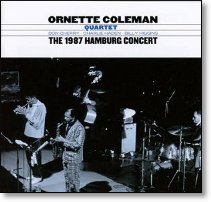
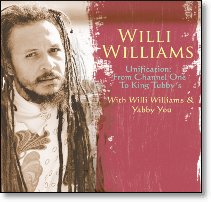
The Ornette Coleman Quartet: The 1987 Hamburg Concert (1987 [2011], Domino, 2CD): On the alto saxophonist's superb 1987 then-and-now album, In All Languages, these guys were billed as "The Original Quartet" -- Don Cherry (cornet), Charlie Haden (bass), and Billy Higgins (drums) -- as opposed to his new-fangled Prime Time fusion group. Live, the old guys play classics, which sound as tricky then (and now) as they did when they knocked the jazz world on its ear back in 1959. A- The Red Line Comp: A DCHC Compilation ([2015], self-released): Twelve-cut compilation of DC-based hardcore bands, presumably of recent vintage, only one cut exceeding 2:04 -- Genocide Pact's "Trials in Nihilism" -- totalling 18:24. B+(*) [bc] Willi Williams: Unification: From Channel One to King Tubby's (1979 [2014], Shanachie): A minor roots rasta singer, had a 1978 hit called "Armagideon Time" that was covered by the Clash. This set was recorded a year later with Yabby You, so predictably it's a bit softer than the era's classics but still sounds terrific. A- Yabby You: Dread Prophecy: The Strange and Wonderful Story of Yabby You (1972-85 [2015], Shanachie, 3CD): Vivian Jackson, left home at age 12 and was hospitalized for malnutrition at 17, leaving him with crippling arthritis but eventually he found Jah and King Tubby, had a signature hit in 1972 called "Conquering Lion," and recorded a good deal of dub in the following decade-plus, more sporadically until his death in 2010. Shanachie took an interest and released two albums -- One Love, One Heart (1983) and Fleeing From the City (1985) -- and now they've assembled this memorial box. To call the first disc "Classics" is a stretch but they sketch out his minor hits, only slightly better known (and better) than the "Rarities" on the third disc. Better still is the middle disc, "The Many Moods of Yabby You," including some of his production work. Reportedly comes with a 30-page booklet which may make the difference. B+(***) Old Music
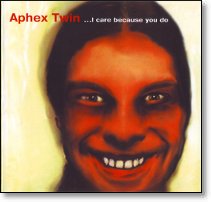
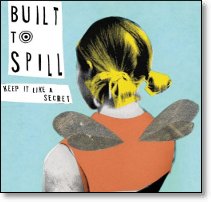
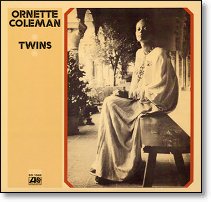
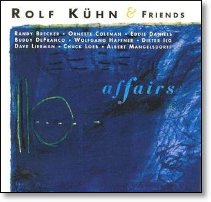
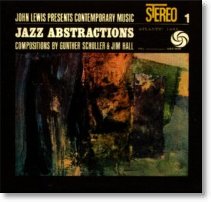
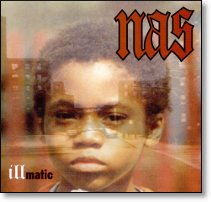
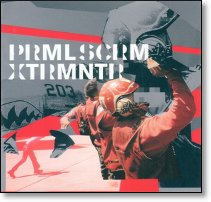
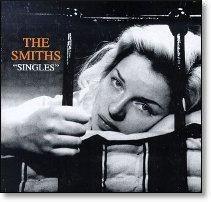
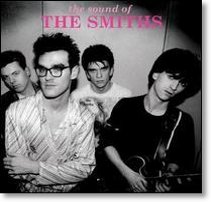
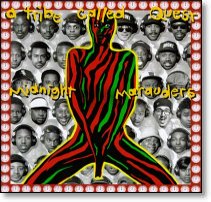
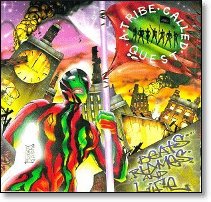
Aphex Twin: Selected Ambient Works 85-92 (1992, R&S): Presented like a compilation, as far as I can tell all the pieces were initially released on the album. The alias belongs to Richard D. James, from Ireland, his debut album an elegent set of simple synth pieces, less quiet than Eno's early ambient, and not without a few disruptive squiggles. B+(***) Aphex Twin: I Care Because You Do (1990-94 [1995], Sire): Skipping over a second (2CD) volume of Selected Ambient Works, some EPs (later collected as Classics), and an album as Polygon Window (Surfing on Sine Waves) we get to his next (in some ways first) proper album. Mostly drum machine loops with analog synth washes, nothing very ambient. Tempted to dock it for the self-portrait cover, but there's something to be said for the geek moving up front. A- Aphex Twin: Richard D. James Album (1996, Elektra): For the cover, James swapped his crude self-portrait painting in for a more menacing self-photo, perhaps to emphasize his transition from analog synths to digital. The change produces faster beats and some sharper sounds, but it also tempts him to work in some processed voice vocals. B+(***) Beyoncé: B'Day (2006, Columbia): The breakout star from Destiny's Child, second solo album although the intervening group album gives you a chance to forget how bad the first was. This starts out promising enough, but it seems inevitable she's going to pull out something truly wretched (e.g., "Resentment"). B+(*) Beyoncé: I Am . . . Sasha Fierce (2008, Music World/Columbia, 2CD): Divide at the ellipsis to get the concept, originally spread out over two discs to emphasize the contrast, but the combined run-time only comes to 41:40, so later editions crammed it all together, then tacked on a second disc of videos -- her real talent? I suppose the two-disc trick is worthwhile. The second runs at dance tempos, but the first is deadly. C+ Björk: Debut (1993, Elektra): Not really a novice after three albums fronting Iceland's original pop-rock group, the Sugarcubes, though even earlier she appeared in a punk band called Spit and Snot and in a jazz fusion group called Exodus. Has an art streak that threatens to get the best of her, but only "The Anchor Song" risks her beat, which "Violently Happy" raised. B+(*) Björk: Post (1995, Elektra): Her electropop shows some promise, but she also has this penchant for arty dramaturgy which can (and in the future will) spoil an album. B Björk: Greatest Hits (1993-2001 [2002], Elektra): I never regarded her as a singles artist, just a wildly slapdash album conceptualizer, so I'm impressed by how consistently strong the rhythm tracks are at least two-thirds of the way through this, so much so I'm prepared to accept her warblings without trying to make sense of them. B+(***) Mary J. Blige: What's the 411? (1992, Uptown/MCA): Debut album, about 21 at the time, has a strong voice but rather than going all diva on us, exec. producer Puff Daddy goes for a hip-hop beat and framework. B+(**) Mary J. Blige: No More Drama (2001, MCA): Long, ran 76:55 in its original edition, before being reshuffled and reissued in 2002 with a different cover. She knocks out eighteen songs here, like some sort of assembly line, which means for once she doesn't oversing them, or overwrite them. B+(**) Blur: Leisure (1991, SBK): First album by one of the top British rock groups of the 1990s, the sort of group that shows up repeatedly in UK all-time lists (along with Oasis and Manic Street Preachers) but never in US lists (unlike Radiohead). Guitar riffs remind me of the Kinks and the Jam. Songs don't. B Blur: Modern Life Is Rubbish (1993, SBK): After an unsuccessful US tour, the band doubled down on their Britishness, so while the music stayed upbeat the lyrics slumped, and the music occasionally turned circusy. B- Blur: 13 (1999, Virgin): Hit and miss, which I guess is the definition of a singles band. B+(**) Bright Eyes: A Collection of Songs Written and Recorded 1995-1997 (1995-97 [1998], Saddle Creek): I.e., roughly from when Omaha native Conor Oberst was 15-17, a period when he led a group called Commander Venus but this starts out solo vocal with guitar, adds occasional backing but not clear who does what. He doesn't have an appealing voice, and much of this is crudely done, but it feels way too grizzled to be labeled juvenilia. B+(*) Bright Eyes: Letting Off the Happiness (1997-98 [1998], Saddle Creek): Second album, first conceived as such, figure it as more of a band album in that Oberst aims for a coherent sound -- still lo-fi, masking his folkie voice with rough-hewn guitar and bass. Final piece runs 25:46, mostly static drone with too little payback at the end. B Bright Eyes: Fevers and Mirrors (1999 [2000], Saddle Creek): For once I have detailed credits, which show they're not really a band -- Mike Mogis adds something trivial to nearly every cut (piano, guitar, vibes, pedal steel, lap dulcimer, hammer dulcimer, mandolin, guiro, percussion, "atmosphere"; but drummer Joe Knapp only appears on 7 (of 14) songs, and a half-dozen others come and go. Includes a prying radio interview, where he reveals, "I want people to feel sorry for me." Sometimes it's hard to get what you want, and vice versa. B+(*) Bright Eyes: Lifted or the Story Is in the Soil, Keep Your Ear to the Ground (2002, Saddle Creek): This is where Oberst started to get noticed. Starts with a grumble then an exaggerated Dylanish grunt, then seems to evolve before your ears, picking up polish if not quite hooks, and turning into someone you might want to spend some time with. Still only 22, but he's starting to get hold of his voice. B+(**) [cd] Bright Eyes: I'm Wide Awake, It's Morning (2005, Saddle Creek): Conor Oberst has finally worked out all the kinks in his voice and songcraft, in the process shedding his connections to folk music -- economic as much as any other -- yet remains as odd as ever, serenading a woman in a crashing airplane, favoring the winning side in senseless wars, and so forth. B+(***) [cd] Broken Social Scene: You Forgot It in People (2002, Arts & Crafts): Canadian alt/indie group led by Kevin Drew, second album, stretches out with some impressive guitar grind but can still back off for a ballad. B+(***) Broken Social Scene: Broken Social Scene (2005, Arts & Crafts): Third album, Brendan Canning shares all song credits with Kevin Drew. Again they push the guitar hard before opening up into something odder. B+(**) Built to Spill: Ultimate Alternative Wavers (1992, C/Z): Alt/indie band from Boise, first album, murky as you'd expect but sometimes the thrash turns into rave. B+(***) Built to Spill: There's Nothing Wrong With Love (1994, Up): Second album, shows solid advances in songwriting and poise, so the guitar is sparser, but used to greater effect. A- Built to Spill: Keep It Like a Secret (1999, Warner Brothers): Fourth studio album, first to chart (120 US), the sort of group -- guitar-heavy '90s alt/indie -- I tend to find boring, but this is eminently listenable, maybe even substantial. A- Built to Spill: Ancient Melodies of the Future (2001, Warner Brothers): What happens when a group that has always gotten along by framing everything with its distinctive guitar sound tries to change its focus, here to melody -- nice enough, as far as it goes. B Built to Spill: You in Reverse (2006, Warner Brothers): Continues in the previous album's "melodic" vein, but with more muscle, a shift you were probably hoping for. B+(**) Built to Spill: There Is No Enemy (2009, Warner Brothers): The band is clearly slowing down, really just Doug Martsch's vehicle, and he's doing things he's done many times before, including stellar guitar solos. B+(*) Kate Bush: The Kick Inside (1978, EMI America): Not quite 20 for her debut, her warbly voice doesn't seem like much of an asset but does the trick on "Wuthering Heights." B+(**) Kate Bush: Lionheart (1978, EMI America): Just 20, no doubt a hero for bookish young girls, her increasingly sophisticated music reminds me first of opera -- the arena where her soprano is most abused, but I note a comic twist both to her voice and to the shifting melodies. Not sure that it's intentional, but it helps cut the bombast. A very ambitious young lady, and talented enough she's worth indulging. B+(**) Kate Bush: Never for Ever (1980, EMI America): Third album, adds a couple singles for her best-of, otherwise more professional chops, less inspired innovation. B+(*) Kate Bush: The Dreaming (1982, EMI America): After two plays I still have no idea. I do know that she was sole producer this time, and that she threw the kitchen sink into the mix -- dozens of exotic instruments, and I noted Danny Thompson and Eberhard Weber among the bassists. [Also that Spin's actual pick, 1985's Hounds of Love, isn't on Rhapsody.] B Ornette Coleman: Twins (1959-61 [1971], Atlantic): A little something Atlantic cobbled together out of scraps a decade after the fact: outtakes from most of the album sessions, including the 16:56 first take of "Free Jazz" -- the five cuts are spread out on as many discs in Rhino's session-oriented 6-CD Beauty Is a Rare Thing box (which with its booklet is the one you probably want, and not prohibitively expensive). The comp was reissued in 1982 with a different cover, reverted to the original cover for a 2005 digital release by Rhino, then was picked up by Water for a 2008 CD. The opener gives you a good sense of the double quartet album, and there's no obvious reason the rest was shelved -- in fact, the quartet sides are so good this could be a box sampler. A- The Cure: Three Imaginary Boys (1979, Fiction): First album from Robert Smith's long-lived band which later on became an icon of art school intellectualism. At this point they were fashionably new wave, with echoes of Wire on occasion and Joe Jackson more often -- although more strained. B+(*) The Cure: The Head on the Door (1985, Elektra): Sixth studio album -- 1980's Boys Don't Cry isn't on Rhapsody, and the rest are so poorly regarded I didn't see any need to bother. But this starts a run of 1985-89 albums that do have a critical rep (and substantial sales), and it's easy enough to see why. Robert Smith has gained flexibility and range as a singer, and the music sports new looks -- even if they're as derivative as his early new wave, he's kept his models up to date. B+(*) The Cure: Kiss Me Kiss Me Kiss Me (1987, Elektra): Originally 2-LP, squeezed onto a single CD by droping one song (restored in the 2006 reissue). The extra length lets them air out a more expansive sound, more suited to the larger venues their newfound popularity opened up. Louder, but not necessarily better. B The Cure: Disintegration (1989, Elektra): The band gets bigger, as does its music, which by contrast makes the personal impression of Smith that much smaller, not to mention less interesting. B Daft Punk: Homework (1993-96 [1997], Virgin): French electronica duo, big enough they moved into arenas and talented enough to make their arena-pomped sound work, at least on Alive 2007 (if not the more relevant here Alive 1997). Still, this debut seems rather sketchy and gamey. B Depeche Mode: Speak & Spell (1981, Sire): Debut album by British synthpop group, a sizable hit (gold, peak 10) in the UK, barely grazed the US charts (192), a pattern which would gradually improve as they got their videos on MTV, but their first US top-10 album was nine years later. Aside from the last cut, the vocals seem distant, buried under unimpressive beats, none of which prepare you for the "Schizo Remix" of their third single, "Just Can't Get Enough." B Depeche Mode: A Broken Frame (1982, Sire): Second album, where Martin Gore (keyboards) takes over songwriting duties from departed Vince Clarke (keyboards, everyone but lead singer Dave Gahan plays keyboards) -- not that the songs offer much to brag about. Sound is more consistent, but less catchy. B- Depeche Mode: Construction Time Again (1983, Sire): Third album, Alan Wilder (keyboards, of course) joins and writes two songs, Martin Gore the rest. Some evidence of an evolving political consciousness ("the grabbing hands grab all they can"). B Depeche Mode: Some Great Reward (1984, Sire): The dour vocals seem typical of British bands of the period -- Ian Curtis proved more prophetic than Johnny Rotten, at least of the Thatcher era -- but the extra blips on the keyboards offer small delights, and when they sparkle enough you get a single. B+(*) Depeche Mode: Catching Up With Depeche Mode (1980-85 [1985], Sire): US alternative to the UK-released Singles 81-85, dropping four songs (notably "People Are People" -- their highest charting pop single, 4 UK, 13 US) while picking up two B-sides. Their albums suggest they may be a singles band, but roll them up and they sound more like a decent but forgettable album. B+(**) Depeche Mode: Black Celebration (1986, Sire): Dark gloom as a formal aesthetic, even though the keybs would be happier shining up dance grooves. B Depeche Mode: Violator (1990, Sire/Reprise): Their biggest album to date, the scale coming through in the music even if it isn't clear that it signifies anything. B Depeche Mode: Songs of Faith and Devotion (1993, Sire/Reprise): Their only album to top the charts in US as well as UK, followed by a 14-month "Devotional Tour" which ended without Alan Wilder. Heavier, denser, dumber too. B- Destiny's Child: Destiny's Child (1998, Columbia): R&B vocal group, often termed teen pop since the four singers, including lead Beyoncé Knowles, were 16-17 at the time. Still, the producers got an adult sound, blending the voices and inserting guest rappers Wyclef Jean, Jermaine Dupri, Master P, and Pras. B+(*) Destiny's Child: The Writing's on the Wall (1999, Columbia): Second album, still four faces on the cover although they're starting to separate out, with LeToya Luckett and LaTavia Roberson soon to split. This is where they blew up, with two number one singles and the album selling over six million copies. Very professional but not much to get excited about. A personal turn off was the a cappella "Amazing Grace" at the end. B+(**) Destiny's Child: Survivor (2001, Columbia): Down to three, with Beyoncé clearly first among unequals. The title cut always struck me as a cliché, but it's the catchiest single here, even if "Bootylicious" sounds more appetizing. B+(**) J Dilla: Donuts (2006, Stones Throw): Detroit hip-hop producer James Yancey, also recorded as Jay Dee, released his best-known album on his 32nd birthday then died three days later, suffering from the blood disease TTP. This is a pastiche, 31 short pieces, most built around a single loping beat with sampled vocal bits that never turn personal. B Dinosaur Jr.: You're Living All Over Me (1987, SST): Second album, group led by J. Mascis, who has kept it going although he's recorded more solo than group albums since 1996. The singer's drawl could (and eventually would) imply folkiness, but at this point they're still young, and all they really want is to let the guitar(s) squeal. B+(**) The Flaming Lips: The Soft Bulletin (1999, Warner Brothers): Neo-psychedelia from Oklahoma City, the group led by Wayne Coyne already had eight albums I haven't heard before this one got dubbed "the Pet Sounds of the 1990s" -- presumably for the lush melodies, thick vocal harmonies, and shimmering synths, although I could just as well aver kinship to Frank Zappa, as artists who make farce without being particularly funny. B The Flaming Lips: Yoshimi Battles the Pink Robots (2002, Warner Brothers): Robot synths and comic characters mixed in with a few things that are nicely shaped as songs. B+(***) Rolf Kühn & Friends: Affairs (1997 [1998], Intuition): German clarinetist, started recording in 1957, called in a lot of favors for his front cover: Randy Brecker, Ornette Coleman, Eddie Daniels, Buddy DeFranco, Wolfgang Haffner, Dieter Ilg, Dave Liebman, Chuck Loeb, Albert Mangelsdorff -- Coleman and Mangelsdorff only appear on one track each (duets with Kühn), Liebman and Brecker two (the latter on a track called "There Is a Mingus Amonk Us"). But the clarinet reigns, especially when all three join together for "Just Friends" and "Three Bopeteers." A- John Lewis: Jazz Abstractions (1960, Atlantic): Fuller title: John Lewis Presents Contemporary Music 1: Jazz Abstractions: Compositions by Gunther Schuller & Jim Hall. Not clear what MJQ pianist Lewis is doing here, other than that he seems to have cornered the market on Third Stream, a phrase that Schuller invented to describe a jazz-classical fusion. The actual pianist here is Bill Evans, but the strings are more prominent (violin-viola-cello, also George Duvivier and Scott LaFaro on bass and Hall on guitar), the drums supplemented by Eddie Costa's vibes, and the horn section is limited to Eric Dolphy and Ornette Coleman. The first cut is very avant for the period. The others explore their abstractions in various ways, each fascinating in its own way, all expertly done. A- Nas: Illmatic (1994, Columbia): Legendary debut album from Nasir Jones, son of jazz/blues guitarist Olu Dara, it doesn't really grab you from the first spin but grows on you, the beats subtle but richly textured, a rapper who has something to say and the flow to put it over. A- Neutral Milk Hotel: On Avery Island (1995 [1996], Merge): This is singer-songwriter Jeff Mangum's debut, produced by Robert Schneider of Apples in Stereo, the latter playing organ and fuzz bass, with a few guest spots for accordion, violin, flute, and trombone -- folkie lo-fi with a dash of exotica. B Neutral Milk Hotel: In the Aeroplane Over the Sea (1998, Merge): Jeff Mangum's second album, got off to a rocky start but gradually built a substantial cult following. Mangum's voice is rough, his strumming emphatic, a harshness that grates at first then picks up speed and threatens to cohere into an irresistible force. B+(**) Pixies: Come On Pilgrim (1987, 4AD, EP): Boston alt/indie group led by a guy known as Black Francis, cut a demo tape before signing, roughly half of which (eight songs, 20:28) were quickly dumped onto this mini-LP (originally a cassette). I never really got into them for reasons I never bothered to figure out, but their sonic appeal was clear even here, their penchant for slipping in and out of time something that can now been seen as anticipating 1990's groups like Pavement. The rest of the demo tape was released in 2002 as Pixies, but I haven't heard it. B+(*) Pixies: Surfer Rosa (1988, 4AD/Elektra): Official first album. Again, the appeal is primarily sonic, fancy guitar riffs over an urgent beat with little else especially clear. One thing that throws me is a short rant called "You F*ckin' Die" that doesn't seem to be on the original album. B+(*) Primal Scream: XTRMNTR (2000, Astralwerks): Scottish group, best known for their third album, Screamadelica (1991, not on Rhapsody). Dense, industrial-grade guitar-bass with synth washes, often danceable. One might worry about lyrics like "Swastika Eyes," but not the music. A- Radiohead: Pablo Honey (1993, Capitol): First album from one of the biggest groups to emerge in the 1990s. One of the first lyrics I noticed was "I want to be Jim Morrison" -- OK, but at this point this is more of a guitar band, and more impressive for that. B+(**) Radiohead: The Bends (1995, Capitol): Second album, on most songs the guitar gives way to sweet, lonely vocals, so it's good to bump into something like "My Iron Lung" where you get some actual thrash. B Radiohead: Hail to the Thief (2003, Capitol): Sixth studio album, runs 14 songs, 56:31, a lot to focus on for an album that doesn't focus on much of anything. B+(*) Slayer: Reign in Blood (1986, Def American): Speed (and/or thrash) metal group, fast anyway, wish I could quantify that for you but not one of my skills. Words are probably full of shit, but they're fast too, no point pondering. I enjoyed the first wave of bands dubbed metal -- roughly Led Zeppelin to Blue Oyster Cult -- but something happened in the early 1980s that turned metal into a cult music and made it incomprehensible to me, and damn annoying as well. Looking at this band's pics, I'd guess that was Kiss, a group that was always a joke but also provided a seed for young bands that wanted to push their logic into ever more extreme directions. Slayer, I suppose, is transitional, which makes this rather tolerable. (Or maybe it's just Rick Rubin producing?) B Slutever: Sorry I'm Not Sorry (2010, self-released, EP): First recording, notes that "Rachel & Nicole both play guitar, drum, and sing" and that it was "recorded in a bathroom and hot, sweaty room, Philadelphia" and "overdubbed in bedrooms, Seattle and Los Angeles." Six songs, 12:22, sound so tinny I can't make out a word. B Slutever: Slutever Demos (2013, self-released, EP): At eight tracks, 27:53, their most substantial effort ever but they're not the sort who'd risk their no-long-player strategy by packing on too much weight. Two songs they later released as a single ("1994/Spit") verify that these are indeed demos, even if they are much better recorded than their first EP. B+(*) [bc] Smashing Pumpkins: Gish (1991, Caroline): A rather proggish band that emerged on the artier end of the 1990s grunge spectrum, led by Billy Corgan, who eventually became the only constant through their discography. First album, demonstrated their ability to fill a stage. B Smashing Pumpkins: Siamese Dream (1993, Virgin): All Christgau had to say: "hooked on sonics." I'm afraid I didn't even get that much, although "Sweet Sweat" does sound better after the sonic freak-out than it would have on its own. B Smashing Pumpkins: Melon Collie and the Infinite Sadness (1993, Virgin, 2CD): A sprawling 28-track album, 121:39 on 2-CD, longer still on triple (or quadruple) vinyl, with an "extended edition" stretched to 351:19, nearly six hours. There is clearly merit both in the harder and softer tracks, but figuring out what/when/where is a task bound to take a lot more effort than I feel up to. B Elliott Smith: Either/Or (1997, Kill Rock Stars): Singer-songwriter, third album, basically just sweet and melancholy voice over guitar. B The Smiths: The Smiths (1984, Sire): Big group in England during the 1980s, one I didn't notice until they split in 1987. The group's appeal depended on how you reacted to singer Morrissey -- Slant described him as "a mordant, sexually frustrated disciple of Oscar Wilde who loved punk but crooned like a malfunctioning Sinatra" -- but much of the early hype revolved around guitarist-cowriter Johnny Marr, unfathomably regarded as some kind of genius. Both seem fairly ordinary here. B+(*) The Smiths: Hatful of Hollow (1983-84 [1993], Sire): A compilation of early singles and several John Peel sessions, not clear how much of it predates the group's first album, appeared in UK in 1984 to much success but was held back in the US for nine years (with some tracks appearing on the 1987 US compilation Louder Than Bombs). The first thing you notice is that it makes a much better case for Johnny Marr the guitarist. B+(***) The Smiths: Meat Is Murder (1985, Sire): Second studio album, self-produced, I find this rolls past me without anything registering much, even the singer's perpetual whine. Cover photo is from Vietnam, but as they say, "Barbarism Begins at Home." But I think not with meat. B The Smiths: The Queen Is Dead (1986, Sire): Spin picked this as the 5th greatest album of the last 30 years, or should I say slotted it between Daft Punk's Discovery and Radiohead's OK Computer? Title cut definitely takes the music to a new level, which makes much of the rest sound like filler. B+(**) The Smiths: The World Won't Listen (1984-86 [1993], Sire): Guessing on the US release date -- this second odds and sods collection appeared in the UK on Rough Trade in February 1987 and promptly went into Sire's sausage machine to be turned into Louder Than Bombs later that year. The singles mix adds some snap early on, but they run short of material. B The Smiths: Strangeways, Here We Come (1987, Sire): Fourth and last studio album -- Morrissey would move on to a solo career without skipping a beat, while Johnny Marr pretty much vanished (until a 2013-14 mini-comeback). Whatever tension existed between the two is buried in their routine performances, the songs a little wordy but that's the singer's trademark. B The Smiths: Rank (1986 [1988], Sire): Live best-of, a handy contract filler once the group broke up. Not a group I have any sentimental attachment to, but this seemed to pick up a little when Morrissey introduced "Ask" ("latest single"), and I liked the one they rocked out on. B+(*) The Smiths: Singles (1983-87 [1995], Reprise): Eleven singles from the four albums (six in album versions), plus seven more that were collected on compilations (six on Louder Than Bombs). They don't strike me as an especially strong singles band, but the selection is consistently tighter and stronger than the source albums. A- The Smiths: The Sound of the Smiths (1983-87 [2008], Reprise, 2CD): First disc adds five tunes to the 18-cut Singles, and second disc adds more stuff -- mostly b-sides but also the title cut and three other songs from The Queen Is Dead. I figure that makes the first disc a slight improvement over Singles, while the second just broadens the picture. Michael Tatum, who is much more of a fan than I am, favors this option. He could be right, but having slogged through all of this I'm still not sure this is an essential, or even a very important, band. A- The Stone Roses: The Stone Roses (1989, Silvertone): Manchester band, considered a very big deal in the UK when their eponymous debut album dropped. I missed this one but bought and liked their second and last from 1994 (admittedly one I scarcely remember), so I was surprised to see how indifferently Byrds-ish this one started out. Picks up a bit toward the end. B+(*) Jamaaladeen Tacuma: Jamaaladeen Tacuma's Coltrane Configurations (2008 [2009], Jazzwerkstatt): Bass guitarist, closely associated with Ornette Coleman during his Prime Time run. Modelled on the Quartet, with Orrin Evans on piano, Tim Hutson on drums, and Tony Kofi handling the tenor role with great aplomb on alto sax. Starts with a 15:23 "India" and closes with a 11:05 "A Love Supreme." B+(***) Tears for Fears: The Hurting (1983, Mercury): British new wave/synthpop band, principally Roland Orzabal and Curt Smith on guitar and bass, plus extra keyb/drum programming. Debut went number 1 in UK charting three singles that aren't immediately obvious but their cloistered drama grows on you. B+(*) Tears for Fears: Songs From the Big Chair (1985, Mercury): A bigger hit, at least in the US, although only "Shout" stands out, and the preponderance of slow songs undercuts both the new wave grind and the synthpop bubble. B Tears for Fears: The Seeds of Love (1989, Mercury): Third album, another bestseller (UK 1, US 8), but the only single is a belabored Beatles rip ("Sowing the Seeds of Love"), and the dramatic vocals elsewhere range from kitsch to sludge. B- TLC: CrazySexyCool (1994, La Face): Hip-hop era R&B vocal trio (T-Boz, Chilli, Left Eye), cut three albums before 2002 when the latter was killed in a car accident, sold 65 million albums and went bankrupt for their trouble. This is their second, the big one, but I'm having trouble sifting the hits from the filler (OK: "Waterfalls"; "Creep"). B+(**) TLC: Fanmail (1999, La Face): A stronger album, I think, which has as much to do with production values as anything else -- less hip-hop, for instance, but better pop hooks. B+(***) A Tribe Called Quest: Midnight Marauders (1993, Jive): Third album, beats soft and jazzed up a bit, several rappers floating around the rhythm, one of those underground things that threatened to break out, partly because they snuck so much tradition inside. A- A Tribe Called Quest: Beats, Rhymes and Life (1996, Jive): Hard to distinguish this from its two fine predecessors, but I find it a big lighter, airier, and don't deem that a minus. A- A Tribe Called Quest: The Love Movement (1998, Jive): Fifth and final album -- Q-Tip moved on to release Amplified the following year. They stay well within their limits. B+(**) U2: Achtung Baby (1991, Island): In the late 1970s I made a point of tracking down everything Eno was associated with -- even the Portsmouth Synphonia albums -- so expected something more out of this big Irish band than they ever delivered, only to give up before their marginal prog move here. "One" at least is one of their better songs. B+(*) U2: Zooropa (1993, Island): Several surprises here, including receding vocals and electronic textures that finally suggest producer Eno is having an effect -- still, don't believe the reviews that regard this as EDM -- and a country song at the end ("The Wanderer") that sounds like it was written for Johnny Cash, not least because Cash guests on it. B+(**) U2: Pop (1997, Island): Post-Eno, the new producers get a compelling pop thrash on occasion (e.g., "Moto") but then the result sounds nothing at all like U2, and when it does it doesn't. B+(*) Weezer: Weezer (1994, DGC): Los Angeles band's first album, one of those 1990s alt-rock groups that drove me to focus on jazz, not that I paid this particular one enough notice to let them annoy me, nor that their simple rock cheer is all that annoying. First of three eponymous albums (of nine albums through 2014), conventionally color-coded (blue here; green in 2001 and red in 2008). B Weezer: Pinkerton (1996, Geffen): Second album, shows considerable variety compared to the first album's pop-guitar thrash, which isn't always for the better -- a couple of the early rockers are tighter, and the closer is an acoustic ballad, an apologia. B+(*) Revised GradesSometimes further listening leads me to change an initial grade, usually either because I move on to a real copy, or because someone else's review or list makes me want to check it again:
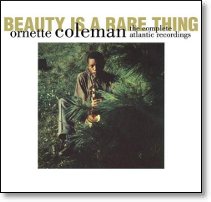
Ornette Coleman: Beauty Is a Rare Thing: The Complete Atlantic Recordings (1959-61 [1993], Rhino/Atlantic, 6CD): Two earlier albums on Contemporary were limited by playing with more conventional jazz musicians, but the young Quartet -- Don Cherry, Charlie Haden, and Ed Blackwell -- is where he blew everyone's mind, a revolution that was consciously reflected in the album titles: The Shape of Jazz to Come, Change of the Century, and This Is Our Music. Then came his fully improvised Double Quartet and their 37-minute jam, Free Jazz. Atlantic went on to squeeze several more albums out of the outtakes, and the box here shuffles them back into order. At the time I wasn't sure that was a good idea, but over the years this has become canonical, the place to start for, well, read those titles again. [was A-]: A Additional Consumer News:Previous grades on artists in the old music section:
Ask a question, or send a comment. Friday, June 12, 2015 Ornette Coleman
As I'm sure you know by now, Ornette Coleman died yestertoday, age 85. He was the first jazz musician I developed a real interest in and affection for. That was in the mid-1970s, at least 15 years after Coleman made his initial big splash, about the time he was inventing a second wave of jazz-rock fusion, one much more radical than the funk-oriented Miles Davis or the prog of John McLaughlin. Coleman was part of the first wave of jazz avant-gardists, a group which variously sought to explore and find novel sounds, rhythms, and harmonics -- to violate the known rules of jazz, to do things that are wrong and somehow make them sound right. (Mingus put it most succinctly: "It's like organized disorganization, or playing wrong right.") Most of that wave wound up contributing to the postmodern synthesis jazz students today are taught: what we call postbop. Martin Williams was so impressed with Coleman that he concluded his Smithsonian Collection of Classic Jazz with three Coleman pieces (plus a Coltrane), arguing that [early] Coleman was the endpoint of the classic jazz tradition. Yet even today most novices find [early] Coleman puzzling before they are swept away. I saw this at work when my hip-hop-loving nephew wanted to get acquainted with jazz and I handed him The Shape of Jazz to Come. Later Coleman pushed further and harder, but by the time he cut his last album, 2006's Sound Grammar, all the stars aligned: no jazz record in the past decade (or really, ever -- and I've been involved in a lot of critic polling on such things) has been so universally exclaimed. It even won the Pulitzer Prize that had so notoriously been denied Duke Ellington. Yet it sounded so offhand you could imagine him knocking sequels out every year -- so it seems odd that it came ten years after his previous album, and nine years before his death. He had remained active well into last year -- playing at a tribute concert in his honor in Brooklyn (and suing to keep the ablum from being released). He never got comfortable with the record business as he hopped from label to label, taking long breaks, never settling in -- he didn't even seem to be happy with his own labels, going back to Artist House in the late 1970s. One imagines he has hoards of tapes that greedy heirs will eventually dump onto the market. Or respectful ones, given that his son Denardo has been his preferred drummer ever since puberty in the 1970s. (Denardo first played on an album in 1966 when he was 10, but it took him a while to finally push Ed Blackwell, Billy Higgins, and Shannon Jackson out of the picture.) My semi-obligatory database dump: Mainline Albums:
Miscellaneous Albums: side-credits, compilations, live albums that only appeared much after the fact:
Selected albums I have not heard:
Miscellaneous unheard live albums:
I expect many more live albums will appear in the future, especially as his estate swings into action, and as Europe's 50-year copyright limit legitimizes more bootlegs. An informal scan indicates that at least 500 albums have Ornette Coleman compositions on them (maybe more than 600; I couldn't check, but "Lonely Woman" is undoubtedly the song leader). I'd hazard a wild guess that two dozen or more albums are tributes/dedicated to Ornette Coleman: most obviously, everything by Old and New Dreams (Don Cherry, Dewey Redman, Charlie Haden, Ed Blackwell -- note that Coleman outlived all the members of his ghost band); also (hard to check this precisely): Affinity [Joe Rosenberg], Borah Bergman, Paul Bley, Charlie Haden, Dave Liebman, Pat Metheny, Paul Motian, Jamaaladeen Tacuma, John Zorn. Ornette Coleman was one of the few jazz musicians Robert Christgau continued to review regularly. His own Consumer Guide reviews are here. This reminds me that the first time I heard Dancing in Your Head was when Bob played it for me. The symphony theme was the most deliriously joyful piece of music I had ever heard. That wasn't the first time I heard Coleman, but it pushed my interest to a higher level. Some links as others write about Coleman:
Some older pieces:
For a final word, Sonny Rollins (quoted in Gans, above):
Ask a question, or send a comment. Monday, June 8, 2015 Music Week
Music: Current count 25069 [25024] rated (+45), 432 [422] unrated (+10). When I counted the number of newly rated records below, I found more than my count this week. I went back and rechecked the database, and found four albums listed as unrated that I should have filled in grades for. Then the count exceeded the list, so I went to the Streamnotes draft file and checked what I had written up against the Music Week lists, and found more discrepancies. I added them to the list below, and now the list is longer than the rated count increase again. Most likely that's the Pixies, who probably should have been reported last week. (At least seems to me like it's been a while.) Of course, if I had a system where I didn't have to update my records 4-5 times when I file a grade, I'd make fewer mistakes. But they'd also be harder to fix, so I guess there's that. The large quantity of old music is due to my attempt to fill in the holes in Spin's Top 300 Albums: 1985-2014 list. I'm a little more than a third of the way through the list. I'm not just doing albums on the list: if I find something else that has a substantial rep and/or looks interesting, I'll slip it in too. Still working on Built to Spill. Next up is Kate Bush (list isn't alphabetical). I'm not spending a lot of time with them, although the A- records get at least two spins, as do some near misses. I'm also not reviewing anything I've graded before, even though some of them look like I may have underrated a bit. It's impossible to keep a list as long as mine in lockstep. New records include two jazz A-listers from old favorites, albeit of very different stripes. But I have been dragging my feet on the jazz queue, which has been growing at a surprising rate. The main source of new records this week was Spin's 50 Best Albums of 2015 . . . So Far (my comp list is buried in the June 1 notebook). That led me to: American Wrestlers, Cannibal Ox, Dan Deacon, Eye, I Love Makonnen, Knocks, Bassekou Kouyate and Ngoni Ba, Monster Rally & Jay Stone, Colin Stetson/Sarah Neufeld, and Young Thug -- two more A-list records there, with Cannibal Ox real close and nothing real bad. I expected Jason Derulo on that list too -- it was plugged as "Spin album of the week" on the same page, and has gotten rapturous reviews from critics I usually agree with, and I loved Talk Dirty as much as they did. I played it twice and it irritated me more than my low B+ grade reveals. The other two new A-list records were obvious things to listen to (Murs, Willie Nelson/Merle Haggard). For a while last week I was logging so many A- records I wondered if I was going soft. As you may have noticed, Medium's music venture Cuepoint hasn't added any new content since June 2, notably missing last Friday's expected appearance of Robert Christgau's Expert Witness. I don't have any inside info on what's happening, but there's evidently some sort of shakeup going on. The basic idea behind Medium is to sucker people into contributing free content, but Christgau at least has been paid from the start. It wasn't unreasonable at first to seed the free content with some commissioned pieces, but sooner or later some bean counter is going to insist on cutting expenses, and freelancers are easy to stiff. So one possibility is that Medium is tightening the screws. Another is that the "vertical" websites like Cuepoint built on Medium's platform haven't clicked. I think one problem with Cuepoint is that they've never had anyone else doing the sort of thing Christgau does -- either as a columnist with a regular schedule or as a reviewer. Everything else is feature writing, and I only recognize two writers on their current homepage, so they're not exactly trying to build a prestige roster. One result is that I've never found anything other than Christgau worth reading there. You may recall that something similar happened at the previous home of Christgau's consumer guide, MSN Music. They had a slightly better music site, probably because living off the fat of Microsoft's monopoly they had more money to throw at it. They had a few columnists, although none generated as much as 5% of Christgau's comment traffic. They hired Christgau to write some live reports, and occasionally you could find something else worth reading there, but it was never organized very well. There are other music websites that seem to be successful, but they do so by cultivating a niche audience and covering that niche at considerable depth -- I'm thinking of Pitchfork, PopMatters, All About Jazz, not that I know how much money they really make. But both MSN Music and Cuepoint seemed to have the idea that they could build a mass audience by covering music at the most superficial level. That they failed should not be a big surprise. Christgau wrote for MSN Music and for Cuepoint for the most pedestrian of reasons: because they paid him to do something he wanted to do anyway. If Cuepoint folds this could be the end of Christgau's Consumer Guide. Or he could find another web angel willing to lose money on him (though it's hard to imagine an infinite chain of them). He could even publish a few CG reviews in a non-paying outlet -- he had written a number of them during his last hiatus just because writing had become an integral part of the way he understands records, and was thinking about giving them to Odyshape (which more or less suspended operations last September). I'd be happy to publish them on his website, where at least they'd add value and interest. Or he could just hang it up -- something I think about, even after I reconciled myself to writing for free. Could be time to start thinking about a post-Christgau website. Expect a Rhapsody Streamnotes later this week. Current draft has 50 new records, 3 new compilations, and 75 old records, so that should be plenty. I'm also working on a series of book blurb posts. I came back from New Jersey last fall with many pages of notes I took in various bookstores, but technical problems have kept me from working on them. The last Book Roundup was on July 3, 2014, so nearly a year. There should be several hundred books worth mentioning in that time. New records rated this week:
Recent reissues, compilations, and vault discoveries rated this week:
Old records rated this week:
Unpacking: Found in the mail last week:
Ask a question, or send a comment. Sunday, June 7, 2015 Weekend RoundupSome scattered links this week:
Also, a few links for further study:
Ask a question, or send a comment. Monday, June 1, 2015 Music Week
Music: Current count 25024 [25005] rated (+19), 422 [420] unrated (+2). Missed four days for my trip to Arkansas. Fortunately, caught a break in the moonsoon on both travelling days, although it rained a lot the two full days at my cousin's house. They let me cook. I opted for comfort food on Friday -- boiled chicken with biscuits with green beans on the side -- and for blowout eight-dish Chinese on Saturday. Still, best meal was probably the standard Arkansas breakfast my second cousin put together Sunday morning -- including the chocolate gravy her grandmother (my aunt) was famous for, although I prefer the sausage gravy on my biscuits. For "old music" I continue to pick off unheard albums from Spin's 1985-2014 list. Sometimes I go deeper into back catalogs I never paid much attention to back in the day, and sometimes not. In the case of Blur I started with a couple of early unheard albums, then skipped to the one selected (13), then checked out this year's reunion album, but I left a few holes I didn't bother with. I started from the git go with Depeche Mode, but doubt I'll go beyond the list album (1990's Violator). Running across more records not on Rhapsody, like Dr. Dre's The Chronic and Guided by Voices' Bee Thousand. Didn't get to much new jazz last year, but did find two surprises: a teenaged standards singer from Spain, Andrea Motis, and a tribute album to little-remembered vibraphonist Gary McFarland. I wrote a little tweet-review of the former mostly to share the bandcamp link. The McFarland tribute was an even bigger surprise: I hear a lot of fine mainstream postbop, but almost by definition the genre sticks with ordinary conventions. But after sitting on the fence for a couple plays, the sparkling performances paid off here. New records rated this week:
Old records rated this week:
Unpacking: Found in the mail last week:
Ask a question, or send a comment. Wednesday, May 27, 2015 The Bully PulpitEd Kilgore quotes Mike Huckabee on, well, I guess you'd call this defense doctrine, though I'm not sure you can do that with a straight face:
This reminds me of a lot of things, but let's start with Robert Fulghum's slim 1989 bestseller, All I Really Need to Know I Learned in Kindergarten. Fulghum was a minister, so that may explain why he never needed to know anything about geometry or chemistry or, more generally, history and arts and sciences. Even so, I doubt he really meant to deprecate post-kindergarten learning. Rather, he wanted to make a point about the value of certain things that can be learned in kindergarten. A Wikipedia summary:
I never read the book, but got the gist from the blurb, and it always struck me as a clever idea with a kernel of wisdom. I thought of it because Huckabee is also a minister, so that got me wondering whether a kindergarten frame of mind is endemic to the profession. On the other hand, I don't recall Fulghum's list -- as I recall, 21 short items (the shortest: "Flush.") -- including anything on the importance of beating down bullies. Maybe that's a Baptist thing? (Fulghum's ministry was Unitarian Universalist.) Still, there's more wrong with Huckabee's bully analogy than his infantilist mindset. I suppose it's possible that bullies are more of a problem today than they were when I went to grade school -- I knew a couple but I'd characterize them more as thugs than bullies. But while Huckabee is probably right that bullies tend to pick on kids weaker than themselves, what distinguishes them more is their isolation from social norms and their willingness to cross authority. As usual, the best defense was to keep the problem from appearing, which has more to do with good management than stern policing. But one thing I never saw was a "sheepdog" (to use Chris Kyle's term) who would defend the weak (the "sheep") by beating down the bullies (the "wolves"). But then, had one appeared, he would have gotten nabbed by the authorities: bullying is intimidation, so it makes sense that intimidating "bullies" is bullying too. In Kyle's mind what distinguishes the sheepdog from the wolf is the purity of his intentions. One thing that means is that it is hard, perhaps impossible, for an independent observer to tell the difference. For the US Army, pure intentions are a given -- not something any American politician, least of all a simpleton like Huckabee, would dare examine. If the US Army whips your butt, you had it coming. Still, there are at least four problems with this assumption: one is that pure intentions are real hard to come to and maintain (especially in an individualist/capitalist society which puts so much motivational weight on self-interest); second, even if your intentions are pure, the information you act on is often faulty (which is the main reason we keep killing people we didn't intend to); third, power is seductive and addictive, so as you build it you'll be tempted to flaunt it (cf. Madeleine Albright's tease: "What's the point of having this superb military that you're always talking about if we can't use it?" ); fourth, no one else can see (or trust) your intentions, so all they have to go on is your acts. If the last paragraph seems theoretical, remember that what Huckabee is proposing isn't a hypothetical. The US has had the world's most dominant, most expensive, most far-reaching military in the world at least since 1945, so we have seventy years of history we can reflect upon. No one can doubt that the US had the power to destroy any nation that tried to bully it. As a first approximation, you might even think that strategy worked: no other nation has directly attacked US soil, nor the soil of any nation the US has a multilateral defense treaty with. On the other hand, that hasn't meant 70 years of secure peace. In fact, the US has engaged in dozens of overt and/or covert wars throughout the period. I'm not going to run down the list. The point is that being able to "whip butts" isn't a formula for peace. As practiced by the US for seventy years, it's a formula for perpetual war. One reason is that lots of people have come to view the US as the bully. After all, what do bullies do? They use the threat of violence, demonstrated on occasion, to intimidate weaker folks, to take advantage of them, to limit their freedom. Arguably the US has done this many times. Bullying doesn't explain every US war -- US support for the Contras in Nicaragua and the Muhajedin in Afghanistan was more malicious, meant not to impose order but to tear down an order we didn't like -- but it is a pattern, and is more often than not never comes to war, the merest of threats sufficing. On the other hand, the bully pose is most explicit when faced with possible defeat: the Bush response to 9/11 was obsessed with reasserting American global domination, while the Nixon response to impending defeat in Vietnam was to raise the stakes, to show the world how much anyone who challenged us could be made to suffer. On the other hand, the calculus of bullying is more complex, as Todd Snider points out in his song, Is This Thing On?, where he describes a kid who stands up to a bully, not by beating him down but by letting the bully disgrace himself:
You can see this dynamic most clearly with Israel and Palestine, where the former's periodic wars, no matter how overwhelming the result, only generate more sympathy for the latter. But even where the tide of public opinion never turns, overwhelming intimidation may be met not with submission but with greater resolve to find other, more asymmetric, forms of resistance. Guerrilla warfare and terrorism are two such forms, but the range of options is myriad. And while the US has weapons sufficient to kill virtually every living thing on earth, all that power has proven impossible to use with much precision. (The central problem of the "war on terror" is to distinguish friend from foe, but inability to exclusively target the latter has actually led to a multiplication of foes, a trend that portends failure.) One more point: In the early post-WWII (post-New Deal) period, the US enjoyed a full range of options for dealing with the rest of the world, backed by an ideology which for the most part was democratic, progressive, and anti-colonial. In particular, the US supported international organizations, especially the UN, to provide a diplomatic framework for resolving conflicts, based on a broad and universal declaration of human rights, much as law provides a framework for resolving civil conflicts. The US also had the wherewithal to provide extensive economic aid to other countries. The military only became a significant factor with the Berlin Blockade (1948) and the Korean War (1950), and has become increasingly hegemonic in American thinking, with the CIA gaining ground in the 1950s. This shift in approaches was locked into an ideological sea change, as the US came to side with capitalism against labor, and as such with crony dictators against popular movements. This shift not only makes it harder to justify America's "pure intentions" -- it has led Americans to take an increasingly brutal view of the rest of the world, and indeed of ourselves. One tiny example is the hero worship accorded a stone cold killer like Chris Kyle (the SEAL hero of American Sniper), but you find it everywhere, not least in Huckabee's passion for whipping butt. I have a little quote from Linda Robinson's review of Bill Russell Edmonds: God Is Not Here:
Edmonds was stationed in Mosul in 2005-06, and was working as an advisor to Iraqi intelligence officers, so was involved in interrogating Iraqi civilians (the key word in the subtitle is "Torture") He later suffered some sort of mental breakdown, something this book attempts to reckon with. Just one case, but this sheds some light on how the bully army breaks down at the individual level. Many other soldier reports don't show this because most soldiers are more isolated from the people they harrass and kill -- contained within their units, fearing the unknown. Ask a question, or send a comment. Monday, May 25, 2015 Music Week
Music: Current count 25005 [24971] rated (+34), 420 [407] unrated (+13). Rated count creeped over the 25,000 mark yesterday. Much of last week's haul was picked up on Rhapsody as I've been filling in the previously unheard records on Spin's Top 300 1985-2014 list. Thus far I've filled in all but one of the top 75 slots -- Metallica won't allow their precious music (ranked 34 was 1986's Master of Puppets) to be exposed through a cheap streaming service, so fuck them too. I've only found two A-list albums in this exercise so far -- Nas' Illmatic last week and, more marginally, Aphex Twin's I Care Because You Do this week (not actually on Spin's list but I checked it out and gave it a slight edge over two high-B+ albums on the list, Selected Ambient Works 85-92 and Richard D. James Album). (Oh, already forgot about those two Smiths best-ofs, not on the list but picked up in my sweep.) Not sure if I'll stick with this exercise. I was only missing 11 of the top 75 albums (14.6%), but I haven't heard 64 of the remaining 225 (28.4%), and wouldn't be surprised if the law of diminishing expectations kicks in. Indeed, it may alraedy have: I played three Smashing Pumpkins albums yesterday (including Gish, not on the Spin list). All three were better than I expected, but pricked no personal interest whatsoever. Slayer (77) comes next. Then Bikini Kill (80), but not on Rhapsody. Then A Tribe Called Quest (84), Pixies (86), J Dilla (90), Daft Punk (93), Blur (96), TLC (99), Guided by Voices (100) -- a stretch of records I can look forward to. I've been rather slow going through the incoming mail, but this week brought in a new batch of Clean Feeds, two records from François Carrier, three from Ivo Perelman, and a pleasant change-of-pace from Scott Hamilton (I've had to go to Rhapsody to pick up six of his last eight albums). Still, may be a while before I get to them. I'll be out of town most of this coming week. Memorial Day hadn't really sunk into my consciousness yesterday even though I wrote two Weekend Roundup items on the Iraq War and its beleaguered veterans. Thinking back today, one thing I wonder is when did the military come to dominate Memorial Day (or as it used to be called, Decoration Day). Many of my extended family members served in the armed forces during WWII, including my father, but none of them were killed in the war (one uncle war shot and partially disabled; another uncle saw sailors killed on both sides of him, but came out unscathed, only to die in a car accident six years later). Another bunch got caught up in Korea. One second cousin was killed in Vietnam (probably by a soldier under his command, an utter waste). But I don't recall singling out soldiers when as a child we'd go to cemeteries on Decoration Day -- we'd often wind up at the Flutey Cemetery in Arkansas, where several generations of my mother's family were buried. (Or more rarely at the Spearville [KS] Cemetery, where a comparable set of my father's relatives rested.) It used to be a day of remembering where you came from, one more poignant to my parents, who recalled more of the buried, than it ever was to me. Before WWII most Americans had little experience with war or the army, aside from two notable instances. My grandfather (father's side, the only one I knew) was swept up in WWI and sent to Europe. A great-great-grandfather and his sons fought for Ohio in the Civil War and settled afterwards in Arkansas. About 405,000 Americans were killed in WWII, but that was still a small percentage of the population (0.307%), so the odds of a family like mine, with a dozen or more WWII soldiers, finishing with no death aren't bad. (Percentage-wise, the wars fought on US soil were much higher: 2.385% for the Civil War, 0.899% for the Revolutionary War. The shorter WWI was 0.110%. For other recent wars: Vietnam 0.030%, Korea Korea 0.020%, Iraq/Afghanistan ["War on Terror"] 0.002% -- source.) The real difference is that wars up through WWII were exceptions to long periods where the US had virtually no Army. But since 1945 the US has fielded a huge standing Army as well as more clandestine operations like the CIA, and as such the nation has perpetually been on a war footing, more often than not actively engaged. If you look at the table of "United States military casualties of war" cited above, the only post-1945 years without military operations are: well, none. If we exclude the 1947-1991 USSR Cold War and 1950-1972 China Cold War lines, you get: 1954 (Korea ended in 1953, although a state of cold war continues to this day; Vietnam started in 1955, although the US supported France until its defeat in 1954); 1976-1979 (Vietnam ended in 1975, also followed by a cold war; operations in Iran and El Salvador started in 1980), and 1985 (between Beirut 1982-1984 and bombing Libya in 1986). The basic fact is that the United States has been at war all around the world ever since 1945. Of course, those wars produce dead soldiers, and those dead soldiers produce popular sympathy, so it's not surprising that the people who promote those wars should use Memorial Day to reinforce and perpetuate their warmongering. One irony of this is that we no longer have a day of rememberance for the people who actually built this country, the vast majority of our forbears who lived normal and industrious lives, because that day has been turned over to only recognize those Americans who have had their lives snatched away by America's imperial ambitions. That may not be so bad if we took the day to remind ourselves of the folly of those deaths, but officially at least we don't: we fly flags, salute, play taps, sometimes with pride swelling up, more often just self-pity. And we never comment on the deaths and destruction our wars have wrought: the chart above has no column for deaths and injuries we have caused. Indeed, in many cases we have no idea: estimates of Vietnamese dead range from 1.450 to 3.595 million (between 25 and 62 times the number of American dead). Nor could we care less. Let me end this with a quote from Ray McGovern: How to Honor Memorial Day:
Meanwhile, enjoy the week's new music. It will help you get past today's orgy of necrophilia.
Recent reissues, compilations, and vault discoveries rated this week:
Old records rated this week:
Unpacking: Found in the mail last week:
Ask a question, or send a comment. Sunday, May 24, 2015 Weekend RoundupSome scattered links this week:
Ask a question, or send a comment. Monday, May 18, 2015 Music Week
Music: Current count 24971 [24940] rated (+31), 407 [402] unrated (+5). Still closing in on 25,000 records rated -- odds about 50-50 that can be announced next week, although it still seems like a tall order. My "new records" count was way down last week, so the only way I cleared 30 was with "old records" -- more on that below. Rhapsody Streamnotes appeared last week, so some of the following list was scooped there -- although at this point that seems like a long time ago. Dmitry Baevsky appeared there. The Fred Hersch set was well-regarded from last year, but I wasn't serviced on it and couldn't find it on Rhapsody. Turns out that a friendly publicist did handle the record and a download link showed up in a back catalog mailing. Maybe they figured I shouldn't be bothered with a mainstream piano trio, and that's probably a fair rule. However, it's a damn good one, and not the first A- Hersch has scored (OK, it's the second, along with dozens of eminently fine B+ records). Chris Monsen had it on his A-list last year. Zooid (Henry Threadgill) will be a serious top-ten list contender. I was tempted to give it a full A, but felt that grade needs more time, and as a double I didn't feel like giving it that much time now -- I think I played one disc twice and the other three times. The group has historically done better in critics polls than on my lists, so go so far as to rank it the current favorite for EOY polls. (Main competition so far is the Lovano-Douglas Sound Prints album, and maybe the Jack DeJohnette title I haven't heard, Made in Chicago.) My list is still topped by Chris Lightcap's Bigmouth: Epicenter, fewer critics have heard it.) Cracker's Berkeley to Bakersfield was a Christgau pick last week, and I gave it three plays before deciding it fell just short (though had they split it up I would have given the Bakersfield disc an A-). Turns out it was a late 2014 release, getting 1 point in last year's EOY Aggregate. The Willi Williams rasta-reggae disc was also a 2014 release, and didn't make the EOY Aggregate at all. I saw a review in Downbeat and gave it a chance. Spin published a list last week with their picks for the 300 best albums of 1985-2014. I copied their list down here and added my grades, mostly to get a sense of how much I've missed over the years (initially, 81 records, for 27%). A fair number of those are albums I've been credibly warned against, but still I thought I'd make an effort to fill in the cracks. Working my way down, the Smiths' The Queen Is Dead was number 5 on the list, so I started there, followed by Nas (Illmatic was number 23) and Weezer (their first eponymous album was number 31). I skipped Metallica (Master of Puppets at 34, but not on Rhapsody), and I'm working on U2's Achtung Baby (number 37) as I write this. Coming up: Elliott Smith, Neutral Milk Hotel, Flaming Lips, Björk, Aphex Twin, The Cure, Smashing Pumpkins, Slayer, Bikini Kill (number 80). Given that I've already rated 25 B, 13 B-, and 3 C+ records from the list, I don't expect much, but I also have slightly more than a third (103) at A- or above, now including Illmatic. I suppose the thing that most disappointed me about the list was the seemingly inevitable first place finish for Nirvana's Nevermind -- a record (and for that matter a group) I find utterly ordinary, totally uninteresting. (I'm on record, after all, saying that I turned to jazz in the mid-1990s in reaction to my disinterest in grunge and gangsta. Of course, the bigger issue is what's missing, which is quite a lot. Here's a first draft list of 44 omissions (not including jazz or best-ofs or compilations of older music), only one per artist (with some "also" notes). Everything here is A or higher, and I could probably double the list without dipping into A- records.
I went long on the Smiths, partly because I had Michael Tatum's Downloader's Diary Guide. He's more of a fan than I am, and also paid much more attention and writes at much greater depth. I miss his writing since Odyshape closed shop. Bright Eyes placed one record on Spin's list, but I just got to it before the list appeared. I had two of their CDs that I bought used a decade ago and found on the unrated shelf, so I thought I'd do some housekeeping, and wound up checking out the earlier albums for context. The unrated albums are organized better now, and I'll try to do a better job closing them out. (Unlike Bright Eyes, most are freebies I never had any interest in -- lot of soundtracks and gospel albums -- so we'll see.) New records rated this week:
Recent reissues, compilations, and vault discoveries rated this week:
Old records rated this week:
Grade changes:
Unpacking: Found in the mail last week:
Ask a question, or send a comment. Sunday, May 17, 2015 Weekend RoundupNo head start this week, and didn't have much time on Sunday what with going to a Global Learning Center panel on Israel/Palestine (Laura Tillem was one of the panelists). Still came up with the following links and comments:
|