|
An occasional blog about populist politics and popular music, not necessarily at the same time. LinksLocal Links Social Media My Other Websites Music Politics Others Networking Music DatabaseArtist Search: Website SearchGoogle: Recent Reading
Music DatabaseArtist Search: Website SearchGoogle: |
Blog Entries [680 - 689]Monday, March 4, 2019 Music Week
Music: current count 31207 [31174] rated (+33), 257 [252] unrated (+5). Lots of good records this week, mostly early 2019 releases that I checked out after Phil Overeem posted his Best Rekkids of '19 - End of Febru-weary Edition, with "30 pretty damn decent releases." I had previously heard N:
I sampled 11 more below, coming up with 5 A-, 3 B+(***), 1 B+(**), 1 B-, 1 C. I looked up but didn't find 4 more (DKV, All the Young Droogs, M'dou Moctar, and the Clifford Thornton Memorial Quartet -- a 2018 release I've looked for several times) -- basically only got down to 14, but Michael Tatum recommended Our Native Daughters, so I prioritized that, as well as the jazz releases (Ward, Ill Considered). The DKV (Ken Vandermark sax trio with Kent Kessler and Hamid Drake) is a 6-CD box on the Catalytic Bandcamp, but they only have 3 tracks available -- far short of anything I can review in good conscience. Until they stopped providing full albums a little over a year ago, I tried to review everything they released (missing only a few monster sets), but gave up after that, finishing 2018 with 8 unreviewed Ken Vandermark titles in my music tracking file (plus various of his cohort, including Overeem's favorite, Joe McPhee) -- certainly one reason why my 2018 Best Jazz list came up shorter than recent years. I also took a fairly deep dive into Ill Considered, a British jazz quartet (sax, bass, drums, extra percussion), made possible by their Bandcamp page -- only skipped An Ill Considered Christmas (see Phil Freeman's review). Rhythmically, they remind me of Nik Bärtsch's Ronin, but rawer, with a lot more sax appeal. Missing from this week's A-list is James Brandon Lewis' An Unruly Manifesto. I was all ready to write it up based on a download when an actual CD showed up in a package from Relative Pitch, but when that happened I decided I wanted to listen some more. When I stopped writing Jazz Consumer Guide for the Village Voice, I stopped requesting review copies. But only some publicists stopped sending records, so I kept writing up what I got, filling in obvious holes by streaming. For the last 3-4 years, the one US label I most regretted not getting service from (and not being able to find on a streaming service) was Relative Pitch. (Well, Tzadik was competition, after they pulled their releases from Rhapsody.) So this package was the week's most pleasant surprise. Will get to them soon (with Lewis first). I decided I was done with the EOY Aggregate mid-week, but today I figured I'd add in the albums I graded but hadn't shown up in any other list. I got tired of that pretty quickly -- last one I added was Chrome Hill's The Explorer (Clean Feed) -- so decided not to hold this post up for closure. The late adds to the file moved it back a bit toward the consensus of aggregators like Acclaimed Music; e.g., Pusha T reclaimed 4th from Cardi B, and in the biggest shift, Low rose to 8 over Noname and Parquet Courts. Also, the Arctic Monkeys (which I dislike even more than Double Negative) is back to up a tie at 16 (with Kali Uchis). Expect an XgauSez later tonight. I keep postponing my website redesign work, mostly because everything sucks here. But I did decide that one thing I need to do is to move my computer back to the old desk, making it possible to use a second (presently inaccessible) computer for development work. To that end, I ordered another UPS, which is here waiting to be plugged in, ready for the move. (Has been for a week, but any day now.) When I get going, I'll explain why this matters to my "tech advisory" mail list. If you'd like to join in on that discussion (or just lurk), let me know and I'll sign you up. I expect to have plenty of questions, and could use the help. New records reviewed this week: Aesop Rock and Tobacco: Malibu Ken (2019, Rhymesayers): The former, rapper Ian Bavitz, debut in 1997, a dozen solo albums plus various collaborations. The latter, electronic musician Tom Fec, has a handful of albums since 2008 plus plays in psychedelic rock band Black Moth Super Rainbow. B+(**) Atomic: Pet Variations (2018 [2019], Odin): Mostly Norwegian jazz quintet founded in 2001, weren't stars then but are now: Fredrik Ljungkvist (sax/clarinet), Magnus Broo (trumpet), Håvard Wiik (piano), Ingebrigt Håker Flaten (bass), and Paal Nilssen-Love (drums, replaced by Hans Hulbaekmo c. 2015). Strong avant group, especially in the two 2004-08 albums with School Days (a Ken Vandermark quartet with same bassist and drummer). Vandermark also had a Giuffre-inspired trio with Wiik and Flaten, called Free Fall. Through all of this, Wiik often struck me as someone who'd rather be doing Third Stream fusion, and he seems to have gotten his way this time. His title piece draws on a bit of Brian Wilson's "Pet Sounds," and the covers include Varese and Messaien, as well as Lacy, Bley, Giuffre, Schlippenbach, and Garbarek. Sometimes the horns remind you of the hoary old days, but mostly they tow the line. B+(**) [cd] Marcia Ball: Shine Bright (2018, Alligator): Piano-playing blues singer from Texas and Louisiana, started with Soulful Dress on Rounder in 1984, one of her best. She always has preferred the upbeat numbers, and still does. B+(*) Yugen Blakrok: Anima Mysterium (2019, IOT): South African rapper, second album, had a bit on Black Panther: The Album. Music here has an advanced industrial air, sheets of sound stretched around a steely pulse. A- R.L. Boyce: Rattlesnake Boogie (2018, Waxploitation): Mississippi Hill country bluesman, protege of R.L. Burnside, waited until he was 52 to release a record, has several now. Takes a while to get on track, but he's rolling and tumbling by the end. B+(*) Robert Ellis: Texas Piano Man (2019, New West): Singer-songwriter from Texas, fifth album since 2009, seems like he should have more country feel than he does. B Rosie Flores: Simple Case of the Blues (2019, The Last Music Company): Country singer, fond of rockabilly, 1987 eponymous debut was one of the year's best, has recorded fairly regularly but this comes after a 7-year break, a return to basics. B+(**) Fidel Fourneyron: ¿Que Vola? (2019, No Format): French trombonist, second album, leads a septet with three Cuban percussionists. B+(***) Mimi Fox: This Bird Still Flies (1985-2018 [2019], Origin): Guitarist, a dozen or so albums since 1987, solo here except one duet with a second guitarist, one cut pulled from the vault, five originals, two Beatles songs -- usually unjazzable but deconstructing the guitar parts seems appropriate, and they give you an anchor, as does "America the Beautiful." B+(*) [cd] Ill Considered: Ill Considered (2017, Ill Considered Music): British group, saxophonist Idris Rahman backed by bass (Leon Richard), drums (Emre Ramazanoglu), more percussion (Yahael Camara-Onono). Opens with a bass pulse, adding intertwining rhythm tracks that could stand on their own, topped with soaring, searing sax riffing. Could just be a great formula, or could be the makings of a genre. A [bc] Ill Considered: Live at the Crypt (2017, Ill Considered Music): Satin Singh takes over the percussion slot, and Vincent De Boer is listed as a fifth member, but for "ink and brushes" -- cover art, I presume. Starts cautiously, runs long (83:05), tries to vary the concept without much success, percussion isn't up to snuff, yet there are more than a few stretches where saxophonist Idris Rahman blows me away. B+(***) [bc] Ill Considered: Ill Considered 3 (2018, Ill Considered Music): Back in the studio, working more from compositions -- whereas their masterful debut was reportedly improvised in less than two hours -- drummer Emre Ramazanoglu has gotten the rhythm back, while Idris Rahman's sax grows more and more expansive. Relatively short album (35:37), timed for vinyl. A- [bc] Ill Considered: Live at Total Refreshment Centre (2018, Ill Considered Music): Some confusion about the date here. Little they haven't done before, but they continue to impress. B+(***) [bc] Ill Considered: Live in Camden Town (2018, Ill Considered Music): Two jams, 40:45 total, featuring the addition of guitarist Steve Ashmore, adding some heft, not particularly what a band built on nimble rhythm needs. B+(**) Ill Considered: Live in Nantes (2018, Ill Considered Music): Down to their core trio here -- Idris Rahman (sax), Leon Brichard (bass), and Emre Ramazanoglu (drums). Another long, strong, exciting set, perhaps the best of the year's three live albums, but differentiations are getting minor. B+(***) Ill Considered: Ill Considered 5 (2018 [2019], Ill Considered Music): No 4 that I'm aware of, that slot filled by three live albums (also a Christmas album) between 3 and 5, with a 6 coming out the same day. Back to quartet here, with Satin Singh on percussion -- not that he makes much impact. B+(***) [bc] Ill Considered: Ill Considered 6 (2018 [2019], Ill Considered Music): Steve Ashmore returns as "special guest" on guitar, sharper than on his previous outing, while tenor saxophonist Idris Rahman doubles up on bass clarinet. The two albums are short enough they could have been squeezed onto a single CD, but I prefer this one on its own -- even ending with a touch of metal. A- [bc] Kel Assouf: Black Tenere (2019, Glitterbeat): Saharan rock band, founded in Brussels by Nigerien guitarist Anana Harouna, with Tunisian keyboardist Sofyann Ben Youssef (also dba Ammar 808). Not a lot of variation in this style, but this one sounds like the master take. A- Rebecca Kilgore/Bernd Lhotzky: This and That (2017, Arbors): Standards singer, started in trad jazz bands in the 1980s, has been a regular on the label's retro-swing projects. Backed here by the German pianist, who's main group is called Echoes of Swing. B+(*) Bassekou Kouyate & Ngoni Ba: Miri (2019, OutHere): Ngoni master from Mali, harder and more powerful than the usual run of desert blues -- possibly his association with Youssou N'Dour has rubbed off, projecting some star power. Getting hard to differentiate after several strong albums, but I see no reason to stop here. A- Doug MacDonald Quartet: Organisms (2018 [2019], self-released): Guitarist, has been prolific lately, here with Carey Frank (organ), Bob Sheppard (tenor sax), and Ben Scholz (drums). More standards than originals (7-3), nice soul jazz groove, some fine saxophone. B+(**) [cd] Pat Martino: Formidable (2017, High Note): Guitarist, played mostly in soul jazz combos from 1963 into the late 1970s before an aneurism left him unable to play. He slowly recovered, producing regular albums from 1996 on. In his comfort zone here, with Pat Bianchi on organ, Adam Niewood (tenor sax), Alex Norris (trumpet), and Carmen Intorre (drums). B+(*) Marilyn Mazur: Marilyn Mazur's Shamania (2017 [2019], RareNoise): Percussionist, born in New York, moved to Denmark at 6 and has stayed there, long and varied discography since 1986. She leads a mostly Scandinavian group here, best known is saxophonist Lotte Anker, but the vocals (Josefine Cronholm backed by everyone else) are more central, some riding oblique beats, more wrapped into fetching semipop chorales. B+(**) [cdr] Joe McPhee/John Butcher: At the Hill of James Magee (2019, Trost): Avant sax duo, alto and tenor (this time), one from US, other from UK, both go way back, both have done solo albums, not sure if they've ever played together although McPhee has spent a lot of time in Europe and for most of it has averaged close to ten records per year. Obviously of specialized interest, but they fill in nicely and flesh each other out. B+(***) [bc] Our Native Daughters: Songs of Our Native Daughters (2019, Smithsonian Folkways): Four black folkies with banjos -- Rhiannon Giddens and Leyla McCalls from Carolina Chocolate Drops, Amythyst Kiah and Allison Russell -- torn between their instinct to preserve old slave hollers and minstrel tunes and to update them to reconstruct a history they obscure as much as belong to. CD comes with a thick booklet to help you keep score. Still, even without the history much of this is gripping. A- Kassa Overall: Go Get Ice Cream and Listen to Jazz (2018 [2019], self-released): Has a solid rep as a jazz drummer, but has also released albums with rapper Kool A.D., tries to go both ways here, but doesn't really succeed at either. Guest shots range from trumpet players Theo Croker and Roy Hargrove to avant-gadfly Arto Lindsay. B+(**) [bc] RGG/Verneri Pohjola/Samuel Blaser: City of Gardens (2017 [2018], Fundacja Sluchaj): Polish piano trio, originally an abbreviation of the artist surnames -- Przemyslaw Raminiak, Maciej Garbowski, Krzysztof Gradziuk -- until Lukasz Ojdana took over the piano slot in 2013. Recent albums had them backing Evan Parker and Trevor Watts. Here they get top billing with trumpet and trombone. Midway through they're more interesting on their own, but eventually the horns rise to the challenge. B+(**) [bc] Ustad Saami: God Is Not a Terrorist (2019, Glitterbeat): From Karachi, 75 so may have just landed there after the British cleaved the subcontinent into two warring factions, "one of Pakistan's most revered and iconic classical singers," traces his roots to the 13th century. Not sure what the instrument is here, but sounds like a cross between organ and bagpipes, plus some percussion. I can imagine someone finding this hypnotic, but unbearable is what I'm feeling. C Nick Sanders Trio: Playtime 2050 (2017-18 [2019], Sunnyside): Pianist, from New Orleans, based in New York, third album, trio with Henry Fraser (bass) and Connor Baker (drums). B+(**) [cd] Greg Ward Presents Rogue Parade: Stomping Off From Greenwood (2017 [2019], Greenleaf Music): Alto saxophonist, from Chicago, group with two guitars (Matt Gold and Dave Miller), electric bass (Matt Ulery), and drums (Quin Kirchner). Can't even call this fusion, as it avoids both rock and jazz. B- Anna Webber: Clockwise (2017 [2019], Pi): Tenor saxophonist, also plays various flutes, handful of albums since 2010, composes tricky pieces for septet, with Jeremy Viner also on tenor sax (alt. clarinet), Jacob Garchik on trombone, Matt Mitchell on piano, plus cello, bass, and drums. Took me a while to come around on this, and it's still too slippery to be sure. B+(***) [cd] Recent reissues, compilations, and vault discoveries: Sir Shina Peters & His International Stars: Sewele (1986 [2019], Strut): Nigerian juju star, started in 1980 with his big breakthrough in 1989, tailing off a bit after 2000. Four tracks, 40:05. A bit erratic, but hard to resist anything that sounds this much like early King Sunny Adé. A- Old music: Atomic: There's a Hole in the Mountain (2012 [2013], Jazzland): Original lineup after twelve years, the last album before drummer Paal Nilssen-Love left. But the more important transition is that pianist Håvard Wiik has become the main composer, 4-2 over saxophonist Fredrik Ljungkvist, tipping the scales away from raw energy toward greater sophistication -- not necessarily a good thing. B+(*) Rosie Flores: Girl of the Century (2009, Bloodshot): Not sure how I missed this: a rockabilly singer I've long liked, moved to a label I usually check even unknowns out on, cover art by Jon Langford, backed by his Pine Valley Cosmonauts band. Good covers of good songs, plus not-so-good songs only partly redeemed. B+(*) Rebecca Kilgore/The Harry Allen Quartet: Live at Feinstein's at Loews Regency: Celebrating "Lady Day" and "Prez" (2011, Arbors): Seems like something of a mismatch, but they know their history, and have built careers out of their love of classic swing. B+(***) Unpacking: Found in the mail last week:
Ask a question, or send a comment. Saturday, March 2, 2019 Weekend RoundupThree fairly major stories dominated the news this past week: Trump walking away from his summit with North Korea's Kim Jong Un without even making a serious proposal or showing any interest in long-range peace; Michael Cohen's congressional testimony, where he made a case that his own crimes were directed by Trump; and Trump's "free-form" speech at CPAC's annual convention. We'll take these in order, then conclude with the leftovers, including some stories that are actually bigger and more ominous than the headline grabbers: a dangerous border skirmish between nuclear powers India and Pakistan, US escalation against Venezuela, the impending indictment of Israeli PM Netanyahu, the usual gamut of Washington scandals, and some hopeful legislation that Democrats are introducing (and campaigning on). Some links on Korea and the summit failure:
Some links on Cohen and this week in the "witchhunt":
Ask a question, or send a comment. Monday, February 25, 2019 Music Week
Music: current count 31174 [31145] rated (+29), 252 [249] unrated (+3). So-so week, rated count actually a good deal more than I expected, given all the distractions. Since I went to weekly review dumps, I guess that means that the last Monday of the month is the closing date for the archive Streamnotes (February 2019) -- posted at the same time as this Music Week. February's record total of 123 (91 new) is quite a bit less than January's 201 (153 new). Still listening more to 2018 than 2019 records (15-4 below), even a couple hitherto unnoticed 2017 releases. Should probably write a longer intro, but not feeling it at the moment. New records reviewed this week: Jakob Anderskov: Mysteries (2017 [2018], ILK): Danish pianist, more than a dozen albums since 2006, this the first I've heard, a trio with Adam Pultz Melbye (bass) and Anders Vestergaard (drums), recorded live at The Loft in Köln. B+(**) Julian Argüelles: Tonadas (2017 [2018], Edition): English saxophonist (tenor/soprano), first album 1990, this a quartet -- Ivo Neame (piano), Sam Lasserson (bass), James Maddren (drums) -- draws on Spanish for its titles (starting with "Tunes"), and doesn't skimp on the Latin tinge. B+(**) Rafiq Bhatia: Breaking English (2018, Anti-): Guitarist, born in North Carolina, of Indian descent via East Africa, second album, also plays in the experimental rock band Son Lux, and has side credits with David Virelles and Heems. Instrumental album, classified experimental, has some interesting twists and turns. B+(**) Carsie Blanton: Buck Up (2019, So Ferocious): Singer-songwriter from Virginia, ran off at 16 to Oregon, then decided to turn pro and moved to Philadelphia but wound up in New Orleans. Never heard of her before, but sixth album since 2005 -- catchy, quotable, clever, sometimes cute, but bucks up when the going gets tough. A- Martin Blume/Wilbert De Joode/John Butcher: Low Yellow (2016 [2018], Jazzwerkstatt): Drums, bass, tenor sax, respectively, recorded live in Slovenia. B+(**) Dinosaur: Wonder Trail (2018, Edition): British quartet, second album, Laura Jurd (trumpet) the leader, with Elliot Gavin (synth), Conor Chaplin (electric bass), and Corrie Dick (drums). I like the trumpet but the vocal pieces have scant jazz interest. B Endangered Blood: Don't Freak Out (2018, Skirl): New York quartet, originally came together to play in a benefit for Andrew D'Angelo. Their eponymous first album listed the names in alphabetical order, so I filed it under drummer Jim Black -- followed by Trevor Dunn on bass, with two saxophonists -- Chris Speed on tenor and Oscar Noriega on alto. (D'Angelo recovered, and Speed and Black still play in a band with him called Human Feel.) A- Hot 8 Brass Band: On the Spot (2017, Tru Thoughts): New Orleans brass band, first album 2005, currently nine strong with three trumpets, three trombones, tuba (leader Bennie "Big Peter" Pete), sax, and bass drum. Probably shouldn't bother with only 4/11 tracks available but hot and funky out of the gate, with little evidence that they'll ever wear down. [4/11 cuts, 25:58.] B+(**) [bc] Hot 8 Brass Band: Take Cover (2019, Tru Thoughts, EP): Five cut, 21:04 EP, giving covers like "Love Will Tear Us Apart" and "Give Me the Night" the same overpowering, overwrought treatment. B+(*) [bc] Ohmme: Parts (2018, Joyful Noise): Chicago duo, Sima Cunningham and Macie Stewart, both started as pianists but have come to prefer guitar for its noise potential, and probably play everything else (aside from Matt Carroll on drums), as well as sing in and out of tight harmony. B+(**) On the Levee Jazz Band: Swinging New Orleans Jazz (2018, Big Al): New Orleans trad jazz outfit led by drummer Hal Smith, logo adds "A Tribute to Kid Ory," takes its name from a club owned by Ory. Clint Baker is front and center on trombone, Ben Polcer trumpet, Joe Goldberg clarinet, plus piano-guitar-bass. Fourteen songs, all "good ol' good 'uns" as Satch liked to say. I'm sure I've heard them all before, but not better, at least not lately. A- [bc] Pilgrims [John Wolf Brennan/Tony Majdalani/Marco Jencarelli]: Oriental Orbit (2017, Leo): Names on the spine, group name above them on the cover. Each is credited with many instruments, but the main categories are piano, percussion, and guitar, with vocals by Brennan (3 tracks) and Majdalani (6). Expansive jazz on a global scale. B+(*) Chris Potter: Circuits (2019, Edition): Postbop tenor saxophonist, possibly the most acclaimed of his generation, discography to my ear is hit and miss but at any time he's capable of ripping off a jaw-dropping solo. With James Francies (keyboards) and Eric Harland (drums), plus Linley Marthe (electric bass) on 4/9 tracks. Band does him no favors here. Sometimes he comes close to salvaging in spite of them, but they're hard to shake or ignore. B- RAM: RAM 7: August 1791 (2018, Willibelle): Haitian group, more or less, the date a reminder of the start of the revolution against French rule and slavery. Big groove record, doesn't sustain much interest. B Dave Rempis/Brandon Lopez/Ryan Packard: The Early Bird Gets (2018 [2019], Aerophonic): Avant sax-bass-drums trio, the latter also credited with electronics, the saxophones plural but not specified but I'd say mostly tenor. I'd also say tour de force. A- [cd] Valee: GOOD Job, You Found Me (2018, GOOD Music, EP): Chicago rapper Valee Taylor, had a half-dozen mixtapes before getting a label deal which has thus far only produced this 6-cut, 14:30 EP, just short verbal stabs riding on minimal beats. B+(**) Kate Vargas: For the Wolfish & Wandering (2018, self-released): Singer-songwriter based in New York, DIY but not particularly country/folk, interesting voice, possibly songs too. B+(*) Recent reissues, compilations, and vault discoveries: Gboyega Adelaja: Colourful Environment (1979 [2018], Odion Livingstone): Nigerian, I'm guessing, Afrobeat at least, with ties to Shina Williams and Tony Allen. Short album (7 cuts, 30:28). B+(**) African Scream Contest 2 (1970s [2018], Analog Africa): More crate digging in Benin by Samy Ben Redjeb, "a new treasure trove of Vodoun-inspired Afrobeat heavy funk crossover greatness," dates uncertain but more likely earlier than later, groups even less famous. B+(***) [bc] Dur Dur of Somalia: Volume 1, Volume 2, & Previously Unreleased Tracks (1986-87 [2018], Analog Africa, 2CD): From Mogadishu, capitol of one of the poorest countries in Africa, even before George Bush (take your pick, but HW was the first to send in troops), Osama Bin Laden, and a series of Ethiopian tyrants eviscerated much of the country. Organ-centric grooves, rocksteady guitar, several singers. B+(***) Orhestre Abass: De Bassari Togo (1972 [2018], Analog Africa, EP): Group from Togo, a sliver of a country between Ghana and Benin, although the tapes showed up in Accra, Ghana, and the band leader, one Malam Issa Abass, is long gone (killed with a grenade in 1993). Organ funk, primal soul jazz. Six tracks, 21:35. B+(***) Old music: African Scream Contest: Raw & Psychedelic Afro Sounds From Benin & Togo 70s (1970s [2008], Analog Africa): From West Africa, two slim contries sandwiched between Ghana and Nigeria. Mostly good groove groups, two I've heard of, but the scream winner here is Roger Damawuzan, who does a pretty fair JB. A- Carsie Blanton: Ain't So Green (2005, self-released): Debut at age 20, just a cute voice and a whisp of guitar, love songs because that's what most songs are, but asks some basic questions, like "what are we earning/what will it cost," elsewhere concluding "'cause if it don't cost nothing, it ain't for me." B+(***) Carsie Blanton: Idiot Heart (2012, self-released): Third album, opens with a band, but gets quieter after a bit and starts to fade into the background. B+(*) Carsie Blanton: Not Old, Not New (2014, So Ferocious): Jazz standards album, opens with Ellington then Porter, picks Julia Lee's "Don't Come Too Soon" for something a bit off-color. I'm not seeing any credits, but sounds like a standard piano trio with guest spots for sax and vibes. Only original is the 0:45 title sketch. B+(**) Carsie Blanton: So Ferocious (2016, So Ferocious): Seems like a mixed bag, but a couple songs stand out: "The Animal I Am," "Fat and Happy." B+(*) Andrew D'Angelo Trio: Skadra Degis (2007 [2008], Skirl): Alto saxophonist, raised in Seattle, moved to New York in 1986, also worked in Boston with Either/Orchestra, not much under his own name other than two Trio albums, this the first. With Jim Black (drums) and Trevor Dunn (bass). Strong group, sometimes a bit harsh but can't fault the energy. B+(***) [bc] Andrew D'Angelo Trio: Norman (2015, self-released): Same trio, the leader playing bass clarinte as well as alto sax. Incendiary but rough in spots, Jim Black's drumming continues to amaze. B+(***) [bc] Endangered Blood: Work Your Magic (2012 [2013], Skirl): Second of three albums for this quartet, the two saxophonists (Chris Speed and Oscar Noriega) switching to clarinet (bass for Noriega) on occasion. B+(***) Kitchen Orchestra/Alexander Von Schlippenbach: Kitchen Orchestra With Alexander Von Schlippenbach (2013, Whats Cooking): Large Norwegian group, dates back to 2005, I found them while looking up Dag Magnus Narvesen (drums) and don't especially recognize anyone else -- 16 credits here including the guest conductor/pianist (also composer and arranger of the closing pieces by Dolphy and Monk). This seems to be the group's sole album, although their website lists events with various guests (in 2018: Eve Risser, Marilyn Crispell, Per Zanussi). B+(*) Unpacking: Found in the mail last week:
Ask a question, or send a comment. Sunday, February 24, 2019 Weekend RoundupWhen I started this exercise, I reassured myself that I would just go through the motions, collecting a few notes that I may wish to refer back to after the 2020 election. While I've written very little on it, I've thought a lot more about my four-era synopsis of American history, and I'm more convinced than ever that the fourth -- the one that started in 1980 with Ronald Reagan -- ends definitively with Donald Trump in 2020. I doubt I'll ever manage to write that book, but it's coming together pretty clearly in my mind. I'll resist the temptation to explain how and why. But I will offer a couple of comments on how this affects the Democratic presidential field. For starters, it is very important that the Democrats nominate someone who is not closely tied to Reagan-era Democratic politics, which means the Clintons, Obama, and Joe Biden. Those politicians based their success on their ability to work with Reagan-era constraint and tropes, and those have become liabilities. It's time for a break, which could mean an older candidate with clear history of resisting Clinton-Obama compromises (like Bernie Sanders) or a younger candidate who's simply less compromised. Second point is that Republicans have become so monolithically tied to Trump, while Trump has become so polarizing, that no amount of "moderation" is likely to gain votes in the "middle" of the electorate. On the other hand, these days "moderation" is likely to be seen as lack of principles and/or character. In this primary season I don't see any reason not to go with whichever Democrat who comes up with the best platform. Still, there is one trait I might prefer over a better platform, which is dedication to advancing the whole party, and not just one candidate or faction. I don't intend to spend much time or space on candidates, but I did note Bernie Sanders' joining the race below, a piece on his foreign policy stance (which has more to do with the shortcomings of other Democrats), as well as a couple of policy initiatives from Elizabeth Warren -- who's been working hard to establish her edge there. I've been running into a lot of incoherent spite and resentment against Sanders, both before and since his announcement, often from otherwise principled leftists, especially directed against hypothetical "purists" who disdain other "progressives" as not good enough. I'm far enough to the left that no one's ever good enough, but you make do with what you can get. I sympathize with Steve M.'s tweet:
Of course, if Hillary throws her hat in, all bets are off. Some scattered links this week:
Ask a question, or send a comment. Monday, February 18, 2019 Music Week
Music: current count 31145 [31103] rated (+42), 249 [251] unrated (-2). Still killing time fiddling with the Pazz & Jop ballots and my EOY Aggregate list. As I'm only selectively adding P&J voters' ballots to the count, I've been perturbing the standings a bit, nudging Cardi B (which I like more) into 4th over Pusha T and Low (which I don't like, although it's far from their worst) down to 10th, under Noname and Parquet Courts (which I do like). Reminds me of something I used to do in my late teens, when I could create my own book lists by mixing real bestseller with other books I was drawn to, including a lot of titles from Pantheon, Grove Press, and Monthly Review Books. The EOY Aggregate remains more rooted in reality, but factoring in my own grades and lists from favored critics and fellow travelers does add a (useful, I think) bias to the thing. Jazz and Non-Jazz EOY lists have evened out a bit, 63-58, with one late-discovered A- in each this week. Also found my first 2019 non-jazz A-, against 12 jazz A/A- records (although Leyla McCalla's Capitalist Blues could be called non-jazz, and two more of that dozen feature spoken-word poetry). I pulled a couple old unrated CDs off the shelf this week, now in "old music" below. I should note that French blues collection is part of a series. I also own The Prewar Vocal Jazz Story (1923-45, released 1996), which is in my database as a full A. I gave it a spin last week, and it would be hard to improve on. Had I spent more time with The Prewar Blues Story, I might have concluded it's every bit as authoritative. There are more volumes in the series, all long out of print, but likely to be worthwhile if you stumble upon one. Booklets are pretty good. After Christgau's Expert Witness, I spent some more time with Alex Chilton reissues -- although I was actually primed with last week's review of Big Star's Live at Lafayette's Music Room. I had reviewed Ocean Club '77 back when it came out, but gave it another shot, and a better grade. Last week I started replacing my rated albums lists with my review notes. Working methodology is to collect the list in a scratch file and retain it in the notebook, while only swapping the reviews in for the blog post. Still a bit awkward for me, but I trust more timely reviews in smaller than monthly chunks will be more useful. New records rated this week: Asleep at the Wheel: New Routes (2018, Bismeaux): Ray Benson's fiddle band from West Virginia, moved west to Austin back in the 1970s and discovered Western Swing -- my favorites of their records have been Bob Wills tributes (Ride With Bob in 1999, Still the King in 2015), although 2009's Willie and the Wheel (filed under Nelson) was even better. Trying to stand on their own here, with Katie Shore writing more songs than Benton (2.5-1.5), but they're still better off with Guy Clark and Johnny Cash ("Big River"). B+(*) Bad Bunny: X 100RPE (2018, Rimas Entertainment): Benito Antonio Martinez Ocasio, Latin trap singer from Puerto Rico, not far removed from reggaeton, all rhythm, choppy words included. B+(*) J Balvin: Vibras (2018, Universal Latin): Colombian, full name José Álvaro Osorio Balvin, tagged as reggaeton, a little more rockish beat than cumbia, fifth album, groove with some bounce. B+(**) Blueprint: Two-Headed Monster (2018, Weightless): Rapper/producer Albert Shepard, from Columbus, Ohio, got noticed for his Rhymesayers debut (1988 in 2005) but ignored for a steady stream of self-released albums since 2003. Guest shots here include Slug, Mr Lif, and Aceyalone. "Good Guys Get Ignored"? That's a shame. A- Moses Boyd Exodus: Displaced Diaspora (2018, Exodus): Drummer, born in London, straddles jazz and electronica, best known as half of Binker and Moses, first album on his own or in this group -- if that's what this is: I count 17 credits, including three vocalists, four bata drummers (who also sing some), Binker Golding on tenor sax, Nubya Garcia on bass clarinet, synth and guitar in the middle, and tuba in lieu of bass. Opens and closes with African chants, strong pieces. B+(***) BTS: Love Yourself: Tear (2018, Big Hit): South Korean boy band, one of the world's biggest K-pop bands, easily the best-selling one in the US. Big pop production, nothing very exotic other than the language, but nothing I've latched onto either. B Mariah Carey: Caution (2018, Epic): Big pop star, or r&b diva, at least in the 1990s following her nine-platinum debut, although the two records I sampled -- the debut and a 1998 compilation of her #1's -- never tempted me to dig deeper. This is her 15th studio album, and while sales are a tiny fraction of her peak, this reached 5 on the charts, and seems to have gotten more critical respect than ever. Don't know why, but not so bad.. B Hayes Carll: What It Is (2019, Dualtone): Country singer-songwriter from Texas, sixth album since 2002, Trouble in Mind (2008) his best, but this is pretty close, rocks a little harder, worries about "Times Like These," honors "Jesus and Elvis." A- Cypress Hill: Elephants on Acid (2018, BMG): Pioneering Latino American hip hop group, first album 1991, only their second since 2004. Throws you a curve at first, then settles into something solid, with an impact. B+(**) Michael Dease: Reaching Out (2017 [2018], Posi-Tone): Trombonist, eighth album since 2005, covers include Steve Turre and Conrad Herwig, "Live and Let Die" and Babyface. With Walt Weiskopf on alto/tenor sax, Ralph Bowen on tenor (8/11 tracks), piano, bass, drums, labelmate Behn Gillece on vibraphone (3 cuts). Trombone leads are fine, sax solos too, but the harmony gets mushy. B Michael Dease: Bonafide (2018, Posi-Tone): Trombone choir (leader, Marshall Gilkes, Conrad Herwig, plus Gina Benalcazar on bass trombone), plus tenor sax (Sam Dillon) and rhythm (David Hazeltine, Todd Coolman, EJ Srickland). B+(**) Michael Dessen Trio: Somewhere in the Upstream (2016 [2018], Clean Feed): Trombonist, fourth trio album, with Christopher Tordini on bass and Dan Weiss on drums. One title, split into eight parts. B+(***) [sp] Jose Dias: After Silence Vol. 1 (2017 [2019], Clean Feed): Portuguese guitarist, first album, solo, improvised aside from excerpts from Man Ray dating from the 1920s. B+(**) Erin Rae: Putting on Airs (2018, Single Lock): Folkie singer-songwriter, dropped last name McKaskle, first solo album, two previous albums as Erin Rae and the Meanwhiles. B+(*) Kinky Friedman: Circus of Life (2018, Echo Hill): Self-billed "Texas Jewboy," used all the irony he could muster to cut a good record in 1973, coasted a lot since then, but at 74 heard Willie Nelson whispering in his ear to write more songs, so he did. Bring up politics and you'll find he's turned into a crank, but he's pretty mellow here. B+(*) Joshua Hedley: Mr. Jukebox (2018, Third Man): Country singer-songwriter, from Florida, plays fiddle and guitar, first album, trad sound, often leading with the violin. Songs remind me of a number of better ones. B Muncie Girls: Fixed Ideals (2018, Buzz): British post-punk band, second album, group name a Sylvia Plath reference, vocalist-bassist Lande Hekt and two blokes. Upbeat, almost cheery. B+(**) Murs: A Strange Journey Into the Unimaginable (2018, Strange Music): Rapper Nicholas Carter, from Los Angeles, moniker stands for Making Underground Raw Shit, 25 albums since 1997. B+(***) Thiago Nassif: Três (2015 [2018], Foom): Brazilian, third album, sings, plays guitar, bass, synth, with scattered guests, notably Arto Lindsay, who produced here, while Nassif co-produced Lindsay's 2017 album Cuidado Madame. Picks up where Lindsay's badly bent postpunk tropicalia leaves off. A- Larry Ochs/Nels Cline/Gerald Cleaver: What Is to Be Done (2016 [2019], Clean Feed): Credit order from front cover, although label reverses the order. Sax-guitar-drums trio, more tenor than soprano, all joint improv, two 20-minute pieces, one 6:04. Starts with a strong sax lead. Ends with equally strong guitar. In between is murkier. B+(**) Carly Pearce: Every Little Thing (2017, Big Machine): Country singer from Kentucky, first album, shares 8 writing credits (out of 13 songs). Generic writing-by-committee is topped by overkill production. B- Rich Pellegrin: Down (2014 [2019], OA2): Pianist, third album on label, all original pieces, most quintet (trumpet, tenor sax, bass, drums), final piece uses the Mizzou New Music Ensemble (flute, clarinet, strings, percussion). B [cd] Scott Robinson: Tenormore (2018 [2019], Arbors Jazz): Saxophonist, plays every one ever invented, settles on tenor here but gets uncommon range, starting with soprano notes. Quartet with Helen Sung (piano/organ), Martin Wind (bass), and Dennis Mackrel (drums), guest flute on one track, half originals, half classics, exceptionally gorgeous. A- [cd] Shad: A Short Story About War (2018, Secret City): Canadian rapper Shadrach Kabango, born in Kenya, parents refugees from Rwanda, sixth album since 2005. Probably pretty smart, but the music got a little heavy for me. B+(*) [bc] Matthew Shipp Trio: Signature (2018 [2019], ESP-Disk): Piano trio with Michael Bisio (bass) and Taylor Baker (drums). B+(***) Jorja Smith: Lost & Found (2018, FAMM): British r&b singer, father Jamaican, first album, nice flow. B+(**) Ricardo Toscano: Quartet (2018, Clean Feed): Cover seems straightforward to parse although Discogs, following the label, adds an implicit "Feat." to the three names below the title line: João Pedro Coelho (piano), Romeu Tristão (double bass), João Lopes Pereira (drums). Leader plays alto sax, debut album. B+(**) Jeff Tweedy: Warm (2018, dBpm): Alt-country singer-songwriter, led Uncle Tuppelo 1987-94, Wilco through 2016, followed by a solo album of remakes and now this one of new songs. I doubt he's done with the band, but wanted something a bit more intimate and easy-going, and he's got that here. B+(**) Jack White: Boarding House Reach (2018, Third Man): Former White Stripes auteur/impressario, fronted the Raconteurs, then he Dead Weather. Started in bare bones rock and roll, created a label specializing in Americana, revived Loretta Lynn's career. Third solo album, sounds like he's trying his hand at hip-hop, except this isn't hip and doesn't hop. B- Kelly Willis: Back Being Blue (2018, Premium): Country singer-songwriter from Oklahoma, considered neotrad, first album in 1990, last two duets with husband Bruce Robison, so this is her first solo since 2007. Nice sound, but in one awkward moment she refers to Cassius Clay, who chose the name everyone uses even before she was born. B+(*) Luke Winslow-King: Blue Mesa (2018, Bloodshot): Singer-songwriter from Michigan, based in New Orleans, dropped his last name (Balzuweit), filed under blues which may be technically right but he's more wistful than downtrodden. But he makes something of that. B+(*) Recent reissues, compilations, and vault discoveries: Big Star: Live on WLIR (1974 [2018], Omnivore): Before the break up, a radio shot recorded in New York, reprising 9 of 12 songs from Radio City, 4 from #1 Record, 2 more. Two more cuts: "Motel Blues," and an awkward bit of interview wedged into the middle of the disc where it's uninteresting the first time and unwanted thereafter. This seems to be the same set released by Rukodisc in 1992 as Live. B+(**) Alex Chilton: From Memphis to New Orleans (1985-89 [2019], Bar/None): Pop anti-star from Memphis, had a number one hit as a teenager, led a legendary pop-rock band in the early 1970s, recorded erratically as a solo act from 1978 until his death in 2000. Mostly this draws from EPs just before and after his 1986 move from Memphis to New Orleans, about half covers. I don't think this makes as good a case for his genius as 19 Years, the Rhino compilation which leans a bit earlier (including 5 Big Star tracks, plus 5 tracks that reappear here). A- Fred Hersch Trio: Heartsongs (1989 [2018], Sunnyside): Early piano trio -- Hersch's first records appeared in 1984 -- with Michael Formanek on bass and Jeff Hirshfield on drums. Half originals (including one from the bassist), two by Wayne Shorter, one each Gershwin, Monk, and Ornette Coleman. B+(**) King of the Road: A Tribute to Roger Miller (2018, BMG, 2CD): An obscure but first-rate Nashville songwriter until 1964-65, when a string of novelty hits -- "Dang Me," "Chug-a-Lug," "Do-Wacka-Do," most importantly "King of the Road" -- made him a star, landed him a TV show, and ruined the rest of his career, leaving him dead at 56 in 1992. Could be some of these pieces are old ("Old Friends" is one), and they've cut in bits of banter from Miller himself. I recognize, even love, nearly all of the songs, but the performances are hodge-podge, all over the place. B+(**) Old music rated this week: 1930s Jazz: The Singers (1930-38 [1987], Columbia): Early 17-track CD era compilation of "Columbia Jazz Masterpieces," from the label's legacy catalogs, a time when only Louis Armstrong and Billie Holiday were treated with full CDs (7 for Armstrong and 9 Holliday -- others like Ethel Waters and Mildred Bailey had to wait, while Bing Crosby and Fats Waller (and others omitted here) did most of their work on other labels. B+(**) [cd] 1930s Jazz: The Small Combos (1930-39 [1987], Columbia): Remembered as the decade when big bands roamed the earth and dominated the dancehalls, most of these groups are still called Orchestra, and I don't think any are less than sextets. Also avoids big name groups, although Jones-Smith Inc. was early Basie, and Henry Allen, Sidney Bechet, Chu Berry, Roy Eldridge, Stuff Smith, Wingy Manone, John Kirby, and others are worth knowing more about. And they do swing. B+(***) 1940s Jazz: The Singers (1940-49 [1987], Columbia): Sixteen fairly classic tracks, starting with Maxine Sullivan easing up to "St. Louis Blues" and ending with Sarah Vaughan torching "Summertime," some cuts closer to r&b, and Slim Gaillard's aptly described by his band name, the Flat Foot Floogie Boys. With Billie Holiday before she left for Decca (where Armstrong and Crosby were recording, so they drop out here). B+(***) [cd] Best of Blues Records Presents: The Prewar Blues Story [La Grande Époque du Blues 1926-1943] (1926-43 [1994], Best of Blues, 2CD): Bought this used at least 15 years ago, and it's long languished on my unrated list. First disc is just less than half from the 1920s, while the second picks up in 1935 and isn't totally "prewar" even given America's delayed entry -- there's Doc Clayton's "Pearl Harbor Blues," Louis Jordan's "Ration Blues," and Josh White observing Jim Crow wasn't any different in the Army. Not essential as a primer -- I have a half-dozen comparable surveys in my database -- but nothing to complain about, and a few pleasant surprises. French title is on the jewel case, English on the slipcover. A- [cd] Alex Chilton: Bach's Bottom (1975 [1993], Razor & Tie, EP): Recorded in Memphis, appeared in 1981 in Germany, 10 songs, 29:42, reissue grew to 15 cuts, but the Napster version (credited Razor & Tie, but 1975) I'm working off is down to 8 songs plus 3 alternate takes, 34:02. Any way you slice it, bits of genius thrown out with the garbage, often hard to distinguish. B+(*) Alex Chilton: Like Flies on Sherbert (1979 [1996], Last Call): Originally 11 cuts released on Peabody, Napster's 15-cut selection corresponds to this French reissue, except they got the cover wrong. More crap, less genius, or maybe it just doesn't seem to repay sorting? B Grade (or other) changes: Alex Chilton: Ocean Club '77 (1977 [2015], Norton): Working solo, covering favored pop songs as well as "The Letter" and his non-hits from big Star. [was: B+(**)] A- Unpacking: Found in the mail last week:
Ask a question, or send a comment. Sunday, February 17, 2019 Weekend RoundupAnother weekly batch of links and comments. At some point I started shunting pieces on Trump's "state of emergency" declaration to the end, but a few are scattered in the main list. Also wound up adding more "related" links under first-found stories. More time might let me sort out a better pecking order. But at this point I'm mostly going through the motions, to establish a record for possible later review. Book idea is still germinating. Last couple weeks have been especially trying for me, and this coming one looks likely to be worse. Some scattered links this week:
Some more links on the "emergency" declaration:
Ask a question, or send a comment. Monday, February 11, 2019 Music Week
Music: current count 31103 [30062] rated (+41), 251 [253] unrated (-2). Last week I speculated about possibly changing the Music Week format to offer my reviews in weekly doses, so you get information sooner and in what should be more digestible doses (20-40 records per week instead of 100-200 records at the end of the month). As I thought about it, I realized that I could still archive the reviews in monthly chunks, and announce that file when it becomes public. So, I'm trying that approach this week. Actually, there is a bit of surplus here: a few records that appeared in last week's Music Week that I got to after posting January 2019 Streamnotes. I haven't really figured the workflow out yet. What I'm thinking is that I'll collect Music Week in the notebook as usual, then swap in the reviews when I create the blog post file. Still some room for sloppy errors here, even with all the redundancy. Rated count report this week is slightly higher than actual because I came up short and found a half-dozen unregistered grades -- probably over the last 3-4 weeks, as that's about when I last checked the ungraded list. The Village Voice Pazz & Jop poll came out last week. I didn't vote, as I wasn't invited (for the first time since when? 2002?). Relevant links:
They only listed the top 100 albums, and didn't include vote counts (just points). I scraped a copy of the ballot data but haven't yet done anything to clean up the data to make it more useful. I added the top-100 rank and a few dozen select voter ballots to my EOY Aggregate, but haven't done the one thing that would be most useful: make sure all of the records that got votes but didn't crack the top 100 get recognized in the EOY Aggregate. In recent years somewhere between 1400 and 2000 records got votes (from 400+ voters). This year should be pretty close to those numbers. My EOY Aggregate currently lists 3216 new records (plus 367 reissues/compilations/etc.). I'd guess that there are at least 100 records in the ballot fine print that I've missed. Whether it's worth pursuing this any further is hard to say. The P&J winner this year was Kacey Musgraves' Golden Hour, but my EOY Aggregate favors Janelle Monáe's Dirty Computer, by a pretty solid margin. Musgraves also won Uproxx's slapdash critics poll, although by a closer margin. I've had Monáe in the lead since the second week of counting, and for most of this time Musgraves was in 3rd, behind Mitski's Be the Cowboy. Musgraves did lead Metacritic's aggregate (98.5 to 97 points), but Monáe led at Album of the Year, with Mitski second and Musgraves a fairly distant third (364-353-295 points). Acclaimed Music Forums has had Monáe ahead from the start, with Musgraves down at 7th as of February 6 (including P&J), after Monáe, Low, Idles, Pusha T, Mitski, and Robyn). I'm not able to access the latter's spreadsheets, but they break lists down by US, UK, and other, and include a lot of the latter. I think it's fair to say that Musgraves benefits from US bias, not so much because American critics prefer her to Monáe as because non-Americans don't. Idles seems to be the band with the greatest UK bias (3 at AMF, 35 P&J, followed by Arctic Monkeys (11 at AMF, 43 P&J). I keep putting off trying to write up some commentary on the EOY lists, and will have to punt again this week. I will note that Wayne Shorter's Emanon, which won top album in our Jazz Critics Poll, finally appeared on Napster last week. I played it and while I suspected that it was overrated, I was really surprised at how painful it was to listen to. The orchestra side was one of the worst I've heard, but the live quartet sides were little better (despite momentary exceptions). By the way, I posted a new edition of Robert Christgau's Xgau Sez questions and answers. I was struck by this line:
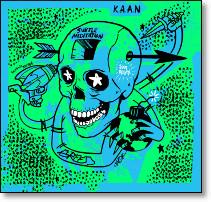
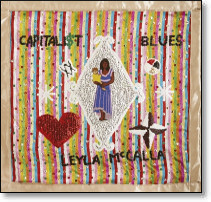
Actually, I do the exact opposite of this. Most of the notes below are based on a single play of an album, often while I was distracted trying to write something about a completely different topic. Worse still, sometimes I didn't even manage to jot down my thoughts: I found myself at the end of an album with a proximate grade impression but no details and no self-analysis as to why I felt the way I did -- and most importantly, no desire to correct my lapse by listening to the record again. At this point I don't even feel like trying to justify the way I work. On the other hand, I will note that it increasingly seems like I'm working under a cloud of doubts about my ability to express myself clearly -- even in matters of much greater import than which underground rapper might be worth your while. (There are several this week, and the odds that I got the pecking order right aren't especially good.) Maybe that's why I'm having so much trouble moving on from this EOY list nonsense? New records rated this week: Ace of Cups: Ace of Cups (2018, High Moon): San Francisco band founded in 1967, originally five women, started to fall apart in 1970, disbanding in 1972 when no records -- some demos and live cuts eventually appeared in 2003, but regrouped for Wavy Gravy's 75th birthday party, and again in 2016 with four of the original members for this belated debut album. Period sound, mostly blues-based, until they start bringing guests in and it starts to shift and wander. B Aceyalone & DJ Fatjack: 43rd & Excellence (2018, That Kind of Music): Underground rapper Eddie Hayes, started in 1995, attracted some attention for 2001's Accepted Eclectic but little notice lately, despite regular releases. Love the easy flow here, as well as the scratch-sample beats. Can't find anything on his producer-partner. A- Ralph Alessi: Imaginary Friends (2018 [2019], ECM): Trumpet player, from San Francisco, often impressive on other folks' albums, released This Against That in 2002 and has used that as a group name, eventually landing on ECM in 2013. Third album there, front cover also names Ravi Coltrane (tenor/soprano sax), Andy Milne (piano), Drew Gress (bass), and Mark Ferber (drums). Rather laid back, although Coltrane has a sweet spot. B+(*) Ehud Asherie Trio: Wild Man Blues (2018 [2019], Capri): Pianist, born in Israel, moved to Italy quite young, then to US at 9, taking lessons from Frank Hewitt at Smalls Jazz Club, sort of a bop-to-swing influence. Trio with Peter Washington and Rodney Green, playing eight standards, two from Charlie Parker, title tune from Louis Armstrong. B+(**) [cd] Dem Atlas: Bad Actress (2018, Rhymesayers): Rapper Joshua Evans Turner, stylized "deM atlaS," from Minneapolis, second album. Sings some, beats rockish, melodies too. B August Greene: August Greene (2018, Fat Beats): Billed as a hip-hop supergroup, basically an alias for Common, with Samora Pinderhughes and a few more guest vocals, backed by Robert Glasper (keyboards), Burniss Travis (bass), and Karriem Riggins (drums). B+(**) Layale Chaker & Sarafand: Inner Rhyme (2018 [2019], In a Circle): Violinist, in Brooklyn, backed by cello, bass, piano, and percussion -- I suspected oud, given the Middle Eastern improv, but none listed. B+(**) [cd] Jon Cleary: Dyna-Mite (2018, FHQ): Singer-songwriter, pianist, born in England but long-based in New Orleans, called his first album (1989) Alligator Lips and Dirty Rice. Rocks out on the title song, but wimps out later on, when "Best Ain't Good Enuff" proves inadvertent. B+(*) Marilyn Crispell/Tanya Kalmanovitch/Richard Teitelbaum: Dream Libretto (2018, Leo): Piano-violin-electronics, at least for the 5-part, 25:00 title piece, a memorial for various deaths, some old, some recent, not quite a dirge but not very lively. Teitelbaum, who wasn't very engaged in the first place, then drops out for seven improv duets, just piano and violin. B+(*) Stephan Crump's Rosetta Trio: Outliers (2017 [2019], Papillon): Bassist, trio adds two guitarists -- Liberty Ellman and Jamie Fox -- which makes this primarily a guitar record, intricate and not overly aggressive. B+(**) [cd] Chuck D as Mistachuck: Celebration of Ignorance (2018, SpitSLAM): Public Enemy leader, fourth solo album, one in 1996 (Autobiography of Mistachuck), third since 2014 (sandwiched around Public Enemy albums). Opens and closes with "LeBron building schools/45 building walls" then a lot of "tired of 45." He's angry, comes on hard, but also keeps it short (32:51), almost cryptic. B+(***) Double Dee & Steinski: Lesson 4: The Beat (2018, self-released): Doug DiFranco and Steven Stein, hip-hop producer duo, gained a measure of fame in 1983 when they pieced together a 12-inch single called "The Payoff Mix" -- Christgau graded A+ a 1985 EP that added "Lesson Two" and "Lesson 3," but lacking clearances it was hard to find (at least until it appeared on Steinski's 2008 compilation, What Does It All Mean?). Not sure when this dates from, but several others continued the "Lesson" series, with a "Lesson 4" from DJ Shadow in 1991 and another from Cut Chemist in 1993. This is billed as an EP, featuring ADA (turntables) with three takes of "Lesson 4: The Beat" (11:07-14:35) and two mixes of "This Music" (3:25-4:20). Remains sketchy at best. B+(**) [bc] Mats Eilertsen: And Then Comes the Night (2018 [2019], ECM): Norwegian bassist, many side credits, a dozen albums since 2004, second on ECM, a trio with Harmen Fraanje on piano and Thomas Strønen on drums. Lovely. B+(**) Sue Foley: The Ice Queen (2018, Stony Plain): Blues singer-guitarist, originally from Ottawa, Canada, moved to Austin at 21, becoming my favorite blues performer of the 1990s. First solo album since 2006 (discounting two duos with Peter Karp 2010-12). B+(***) Nick Grinder: Farallon (2018 [2019], self-released): Trombonist, from California, based in New York, second album, postbop quintet with Ethan Helm (sax) and Juanma Trujillo (guitar). B+(*) [cd] G Herbo: Humble Beast (2017, Machine): Chicago rapper, Herbert Wright III, started out as Lil Herb, first studio album after four mixtapes. Dense. B+(*) G Herbo & Southside: Swervo (2018, Machine/Epic/Cinematic/150 Dream Team/808 Mafia): Rapper and producer, the latter's name referencing his native Atlanta (not the rapper's Chicago). Maybe no denser, but definitely faster. B+(*) Charlotte Hug & Lucas Niggli: Fulguratio: Live at Ad Libitum 2016 (2016 [2018], Fundacja Sluchaj): Swiss duo, Hug's credit is "viola & voice," Niggli "drums & percussion." Hug's discography goes back to 1999, seems to be much more viola than voice; indeed, hard to call what she does here as singing, but in either mode she intensifies. B+(**) [bc] Mick Jenkins: Pieces of a Man (2018, Cinematic): Chicago rapper, born in Alabama but mother moved him north when he was 10. Second album, more mixtapes since 2012. B+(*) Cody Jinks: Lifers (2018, Rounder): Country singer-songwriter, born in Denton, TX, started in a thrash metal band, half-dozen albums since 2008. B+(*) Darren Johnston/Tim Daisy: Crossing Belmont (2017, Relay): Trumpet-drums duo, Johnston born in Canada and based in San Francisco since 1997, Daisy from Chicago. Cover picture looks to be early construction of the Golden Gate Bridge, very eerie. Two pieces, 35:17 total. B+(***) [bc] K.A.A.N.: Subtle Meditation (2018, Redefinition): Rapper Brandon Perry, from Maryland, acronym stands for Knowledge Above All Nonsense, Wikipedia lists this as his first album, after 17 mixtapes (since 2014). Underground like MF Doom. A- [bc] José Lencastre Nau Quartet: Eudaimonia (2018, FMR): Alto saxophonist, name looked familiar but I had confused him with drummer João Lencastre, present here, along with Rodrigo Pinheiro (piano) and Hernâni Faustino (bass), two-thirds of RED Trio. Slow to get going, impressive at speed, rhythm section is key there. B+(**) [bc] José Lencastre Nau Quartet: Fragments of Always (2016 [2017], FMR): Same group, first album together, stumbles on occasion but impressive power and speed. B+(***) [bc] Joe Lovano: Trio Tapestry (2018 [2019], ECM): Tenor saxophonist, one of the greats, also credited with tarogato and gong, in a trio with Marilyn Crispell on piano and Carmen Castaldi on drums. While the music is tricky as expected, everyone plays it so politely you're never challenged -- except perhaps on the closer, 'The Smiling Dog." B+(**) Ahmoudou Madassane: Zerzura (2018, Sahel Sounds): Tuareg guitarist, plays in Les Filles de Illighadad, posits his album as a soundtrack to the "first ever Saharan acid Western . . . a meditation on the mysteries of the Sahara." Evocative, preferring the background. B+(**) Marlowe: Marlowe (2018, Mello Music Group): Hip-hop duo, beatmaker L'Orange and rapper Solemn Brigham. Beats slip and slide, spoken dressing has a Doom-ish comix air. B+(***) Leyla McCalla: Capitalist Blues (2019, Jazz Village): Born in New York, parents Haitian, father "ran a New York based Haitian socialist newspaper," mother founded "an anti-domestic violence human rights organization," lived a couple years in Ghana, played cello in Carolina Chocolate Drops, also banjo and guitar, first solo album was a tribute to Langston Hughes. This is her third. Title song rings true, and the calypso "Money Is King" is even better. Got heavier, and the screechy guitar threw me for a loop until I looked up the song title, "Aleppo." She follows that with what sounds like a Haitian lullaby, then some Cajun woo-pitching. Not sure I'm ready for all this. A- Allison Miller's Boom Tic Boom: Glitter Wolf (2019, The Royal Potato Family): Drummer, group named for her 2010 debut album, retaining Jenny Scheinman (violin), Myra Melford (piano), and Todd Sickafoose (bass) from the debut, adding Ben Goldberg (clarinet) and Kirk Knuffke (cornet) for their second outing. That's a lot of talent, neatly balanced, the violin a bit up front. A- Ulysses Owens Jr.: Songs of Freedom (2018 [2019], Resilience Music): Drummer, originally from Florida, plays with Christian McBride (trio and big band), has a couple albums under his own name. A tribute to three singer-songwriters, women with some affinity for jazz and justice -- Nina Simone, Abbey Lincoln, and Joni Mitchell -- employing three singers: Theo Bleckmann, Alicia Olatuja, and Joanna Majoko. Other credits are scarce -- maybe because the CD doesn't drop until March, and streamers are not supposed to care. B+(*) Phonte: No News Is Good News (2018, Foreign Exchange): Rapper Phonte Lyshod Coleman, from North Carolina, second solo album after tours with Little Brother and The Foreign Exchange. B+(**) Jim Piela: Out of Orbit (2018 [2019], Orenda): Alto saxophonist, studied at NYU, based in New York, has a previous album (Non Fiction). Postbop, pianoless quartet with Joey Lamb on trumpet, plus bass and drums. B+(***) [cd] Verneri Pohjola/Maciej Garbowski/Krzysztof Gradziuk: Gemstones (2017 [2018], Fundacja Sluchaj): Trumpet-bass-drums trio, the leader Finnish, with close to ten albums. B+(**) [bc] Popcaan: Forever (2018, Mixpak): Jamaican dancehall shouter, second album. B+(**) Protoje: A Matter of Time (2018, Easy Star): Reggae singer, Oje Ken Ollivierre, fifth album (plus 4 mixtapes). B+(*) Javier Santiago: Phoenix (2016 [2018], Ropeadope): Pianist, from Minneapolis, first album, also plays keyboards, trumpet (one track), and is credited with vocals (as is J Hoard and Proper-T), a real blight on a tolerable funk/fusion album. Other musicians come and go. Nicholas Payton even leaves a memory. B Shannon Shaw: Shannon in Nashville (2018, Easy Eye Sound/Nonesuch): Solo debut for name singer in Oakland garage-punk band Shannon & the Clams, also involved with queercore band Hunx and His Punx. Cover looks retro, like she's been preserved in amber since the early 1960s. Nothing country about her pilgrimage -- I'm a bit reminded of Dusty in Memphis, but it's not about soul either. More big, tacky arrangements, which is Nashville's signature these days. B+(***) Wayne Shorter: Emanon (2015-16 [2018], Blue Note, 3CD): Came out September 14, 2018, but withheld from streaming services (and not getting anything from Blue Note these days) this wound up being the only album to finish top-40 in Jazz Critics Poll that I hadn't heard. Still, it won the poll, getting more points but fewer votes than two runners up. Two live sets from his Long-running (at least since 2001's Footprints Live!) quartet -- Danilo Perez (piano), John Patitucci (bass), and Brian Blade (drums) -- plus a string-drenched performance with Orpheus Chamber Orchestra. Nothing prepared me for now awful -- ponderous, hackneyed, convoluted, dispeptic -- the orchestral music is. The quartet sets hint at something better, but they're spotty. B- Zhenya Strigalev: Blues for Maggie (2017 [2018], Whirlwind): Alto saxophonist, from Russia, studied in London, based in New York, but recorded this (her fourth album) in Netherlands and Austria. Also credited with soprano sax, alto box, and electronics. Backed by Federico Dannemann (guitar), Linley Marthe (bass guitar, keyboards), and Eric Harland (drums). B+(*) [bc] Tony Tixier: Life of Sensitive Creatures (2016 [2017], Whirlwind): French pianist, twin brother Scott Tixier a notable violinist, fifth album, a trio with Karl McComas Reichl (double bass) and Tommy Crane (drums). B+(**) [bc] Vestbo Trio: Gentlemen . . . (2019, Dog Hound): Finnish trio -- Michael Vestbo (guitar), Jesper Smalbro (electric bass), Eddi Jarl (drums), plus organ on two cuts -- several albums since 2012. Strikes me as pretty easy going, but picks up a bit. B+(*) [bc] Nate Wooley & Torben Snekkestad: Of Echoing Bronze (2015 [2018], Fundacja Sluchaj): Avant trumpet duo, the latter also credited with soprano sax for this improv set live in Copenhagen. Hard to get much going in this format. B [bc] Recent reissues, compilations, and vault discoveries: Big Star: Live at Lafayette's Music Room (1973 [2018], Omnivore): Alex Chilton's breakthrough Memphis pop-rock band, three months after they named their debut #1 Record only to watch it flop. Not that I don't recognize nearly every song, but my memory says they should all be sharper and catchier than this. The covers pick up a bit. B+(*) Anthony Braxton: Sextet (Parker) 1993 (1993 [2018], New Braxton House, 11CD): A massive expansion of the sessions and live tour that produced the 2-CD Charlie Parker Project 1993. I was pretty down on Parker back then, so the first thing I noticed was that Braxton had alto sax chops Parker could only dream of (but then I often thought that Braxton was most brilliant playing other's music). I didn't recall the brilliant band Braxton assembled for the project: Ari Brown (tenor/soprano sax), Paul Smoker (trumpet/flugelhorn), Misha Mengelberg (piano), Joe Fonda (bass), and Han Bennink (drums, except for 6, of 68, cuts with Pheeroan akLaff). Too much to digest, especially on computer -- the physical package was limited to 500 copies and quickly sold out, presumably to the 1% -- and I doubt you actually need, for instance, six takes of "Klactoveedsedstene." Still, much of this is magnificent. A- [bc] A Certain Ratio: acr:set (1980-94 [2018], Mute): British post-punk/new wave group, recorded for Factory Records, found a dance groove in dank industrial grunge. Scattered singles, odd cuts, mixed bag. Atypical, but best rhythm track: "Si firmir o grida." B+(*) Asnake Gebreyes: Ahadu (1988 [2018], Buda Musique): Ethiopian singer, 25 when he released on cassette, more recently has worked in the French band UkanDanz. In some ways very typical, dry vocals and cheesy keyb, but finds a groove and breaks it in deep. B+(***) The Louvin Brothers: Love and Wealth: The Lost Recordings (1952-55 [2018], Modern Harmonic, 2CD): Early demos, I'm guessing on the dates ("first half of the 1950s" -- their first album appeared in 1956, first single in 1955, but I've heard other material as early as 1952). One of the great brother acts in country music, their harmonies unearthly, their souls tortured. Second half turns to their notoriously ill-tempered gospel music, starting with: "preach the gospel/regardless of who it hurts/pray that God will have His way." Not sure about Charlie, but Ira lived a life of drink and violence, running through four wives, the third marriage ending in a hail of bullets, the fourth drunk on a dark highway. B+(***) Make Mine Mondo! (1958-69 [2018], Ace): Compilation ("fuzzed out garage bands, manic instrumentals, wayward rockabillies") from Dore Records, founded in Hollywood, 1958 by Herb Newman and Louis Bideu. Earliest singles included Phil Spector (The Teddy Bears) and Jan & Dean, but they moved on before becoming famous, and I've only heard of one artist here (Bobby Troup). B Oneness of Juju: African Rhythms (1975 [2018], Strut): Afrocentric American group, based in Richmond, Virginia, led by James "Plunky" Branch, first album, after 1980 the billing changes to Plunky & the Oneness of Juju. Their African schtick isn't bad, but they have problems keeping it up. B+(*) Neil Young: Songs for Judy (1976 [2018], Reprise): Another trawl through the bootleg archives, selected from dates in November 1976 when he was touring with the reunited Crazy Horse and appearing solo as his own opening act. Some old hits, some current, more unreleased at the time although they've surfaced since -- two that stand out for me came out in his great albums of 1978-79. Title from a purely tangential story about meeting Judy Garland. B+(**) Old music rated this week: Jeb Bishop & Tim Daisy: Old Shoulders (2012, Relay): Trombone and drums duets, Chicago players, both in Vandermark 5 but would have to check to see if they overlapped (maybe, but not by much). Limits to the format, but they make the most of it. B+(**) [bc] Unpacking: Found in the mail last week:
Ask a question, or send a comment. Sunday, February 10, 2019 Weekend RoundupNothing much on Korea this week, other than Trump announces second Kim summit will be in Hanoi, Vietnam, a few weeks out (Feb. 27-28). The Wichita Peace Center was pleased to host a couple of events last week when Professor Nan Kim from University of Wisconsin-Milwaukee, author of Memory, Reconciliation, and Reunions in South Korea: Crossing the Divide (2016), an activist in Women Cross DMZ (here on Twitter). I expect we'll be seeing a lot of speculation and spin on Korea over the next few weeks, especially from neocons so enamored with perpetual war -- but also from Democrats hoping to score cheap points against Trump. I've written a fair amount about Korea over the years. I won't try to recapitulate here, but here's a bit from a letter I wrote last year, with links to various key writings:
I'll add one comment here. One thing I was struck by in Trump's State of the Union address was this:
My bold. Of course, the point everyone noticed was his plea that for the good of the country (i.e., Trump) Democrats must give up their efforts to investigate (e.g., Trump, for possible crimes or other embarrassments). Of course, he had no hope of getting his way there, even if his intent was truly threatening -- e.g., that if the Democrats investigated him, he might start a "wag the dog" war as a diversion, hoping the people would blame the Democrats. Still, I think the quote does show that when his personal financial interests aren't slanted otherwise, Trump is inclined to favor peace. The saber-rattling over Iran is clearly a case where the corrupt money (from Israel and the Saudis) is able to make Trump more belligerent. Venezuela is another case where Trump's corrupt influences may lead to war. But Korea is one case where the major influencers -- even if you discount Russia and China -- are pushing Trump toward war, so it offers a rare opportunity to claim success at achieving peace. Granted, the neocons and the defense industry don't like it, but they may be just as happy to pivot to higher budget, lower risk "threats" like Russia and China. That's one of several reason to be cautiously optimistic that Trump might be able to deliver a peaceful outcome. On the other hand, I think that Democrats need to be very cautious, lest Trump be able to make them out to be dangerous, war-thirsty provocateurs. I still believe that a major reason Trump beat Clinton in 2016 was that she came off as the more belligerent (e.g., her claims to superiority in "the commander-in-chief test"). Some scattered links this week:
Ask a question, or send a comment. Monday, February 4, 2019 Music Week
Music: current count 31062 [30033] rated (+29), 253 [251] unrated (+2). Rated count down from 40+ in recent weeks, mostly because I finally took the time to plow through Anthony Braxton's 11-CD Sextet (Parker) 1993 (on Bandcamp). Only gave it one pass (spread over three days), but loved nearly every minute of it. I pulled the original 1995 2-CD release out, Charlie Parker Project 1993, thinking it might be time to bump it up from A-, and played the live disc in the car today, but couldn't hear enough to make much difference. There is more super-long Braxton on his Bandcamp, if I ever find time to dig into it. January 2019 Streamnotes appeared last week, with 201 record reviews. That is up from 138 in December, 186 in August (the most of any 2018 month). I looked back through 2013 and didn't find a month/column with more records (185 in November 2013 was the highest 2013-17 total). As I noted back on August 30, 2018, my single column record was 206 records on November 8, 2009, but that was before I settled on monthly posts, so covered 41 days. I've thought a bit about going back to posting weekly, which would basically mean 20-40 records per post. I could still collect them in monthly files for archival purposes. Doing it weekly would be timelier, and involve more easily digested chunks. It's also been suggested that I should hold back reviews until release dates. Readers noted that of the 8 2019 A/A- releases I touted in January, only 3 had actually been released when my column came out. No commitment yet, but I'll think about that. I decided that for album tracking purposes, 2018 ended on January 31, 2019 -- the date of my frozen album list. I'll keep adding records to the working album list until January 31, 2020 (a month later than my usual deadline, as I noticed this year that I was finding out about late 2017 releases only when I saw 2018 EOY lists). These are marked in a distinct color, which helps me keep track of some stats. I'm still adding records to the 2018 Jazz and Non-Jazz best-of lists, and will probably do that well into next fall. I'm also still adding to the Music Tracking 2018 file, but the rate has slowed down as I've largely stopped adding to the 2018 EOY Aggregate (and its reissues/old music edition). The Music Tracking file is the easiest way I have of counting how many 2018 releases I've heard/graded: 1091. This also shows that the jazz share was 735 (67.3%). Some other genre totals: hip-hop (88), electronica (38), country (33), world (32), metal (3). Some other genres have switches, but I don't have data for them to use. I figured out a solution to the database update character set problem I mentioned last week. Importing an ISO-8859-1 mysqldump file using PhpMyAdmin somehow corrupts the file, even with explicit character set flags. But the command line interface read the file correctly, and once stored in the database the PHP code was able to handle it correctly. I was also able to fix a problem with the RSS feed, where the HTTP header and XML header were reporting different character sets. I'm still confused by Firefox, where the "Page Info" dialog still claims "text encoding: windows-1252." I hate it when diagnostic tools lie to you -- in part because you have to prove that no other explanation is possible, and that's a lot more work than finding a workaround -- but that seems to be the case here. I did finally manage to port the RSS code I wrote for Christgau back to my own website. Same basic problem in that I have to manually edit the description file. I've never used RSS, and was surprised to find that built-in support for it was recently dropped by Firefox. In principle, it should be very useful for me -- especially when compiling Weekend Roundup posts. If you can recommend a reader, let me know. Also let me know if you're having any problems with these RSS feeds. I still intend to port the Q&A system. Shouldn't be much work, especially now that I seem to be working my way past some of the technical problems I've been plagued with recently. Next priority issue for me is to be able to reboot my main machine cleanly. At the moment, I have a batch of software updates waiting reboot. Would be good to post this update before I risk that. New records rated this week:
Recent reissues, compilations, and vault discoveries rated this week:
Unpacking: Found in the mail last week:
Ask a question, or send a comment. Sunday, February 3, 2019 Weekend RoundupWe watched Michael Moore's Fahrenheit 11/9 last night. Here's a review by Owen Gleiberman, which hits most of the key points. Seems to me he should have cut it into two separate movies: one on Trump (with more coverage of what he did after taking office), the other on the Flint water crisis (rather than just using his home town as his pet way of contextualizing world events). The Flint story winds up turning Obama into the goat (if not the villain, still Rick Snyder), which would have been more effective without Trump all over the map. The Trump parts are more interesting. Moore treats Trump's presidential run as a publicity stunt -- as he's done before, but this time he went through with it only because NBC fired him for racist comments, only to find his fan's adoration in his early rallies. His decimation of his Republican opponents, then of Hillary Clinton, is a piece of story that Moore could open some eyes on, in large part because Moore doesn't flinch when Trump's absurdity and cruelty come simultaneously into focus. Indeed, his whole sequence of Trump and Ivanka is extremely creepy. However, after the election, instead of delving into the profound corruption and malign neglect that has been so evident, he settles for a long lament on the end of democracy and the rise of fascism. He can be creepy there, too, as with the Trump voiceover of stock Hitler/Third Reich newsreel footage, with side glances at Putin and Duterte and commentary by Timothy Snyder. I don't see that as necessarily unfair -- in fact, when I first noticed the Nazi rallies I expected a segue to Fred Trump in the 1930s at Madison Square Garden -- but it's far from the most important or enlightening thing a filmmaker like Moore could come up with. One story I don't delve into below is the flap over Virginia Governor Ralph Northam, something involving racist photos in his college yearbook, which has elicited howls of indignation and calls for his resignation from many Democrats and leftists -- Elizabeth Warren and Barbara Ehrenreich are two names that popped up in my twitter feed (full disclosure: I follow Ehrenreich but not Warren or any other office-holders). I suppose if I knew more details I might think differently, but my first reaction is that I find these calls deeply troubling, both on practical grounds and because they display an arrogant self-righteousness I find unbecoming. Sooner or later, Democrats need to learn to forgive themselves -- especially those who show some capacity to learn from their mistakes. I understand that Northam is no great shakes as a Democrat, but I'd rather see him become a better one (if that's possible). On the other hand, I don't want to turn this into a diatribe against "purism" -- if real leftists (like Ehrenreich) insist on holding folks to higher standards, God bless them. Some scattered links this week:
Lack of intelligence: "Trump's latest attacks on his own intelligence agencies are galling, even by his standards." Actually, I'd say this is a case where both parties are guilty of the same thing: selecting "facts" to fit their own political interests. Trump may do this less artfully, not least because he rarely bothers to even collect "facts," but the security heads have always pursued their own objectives. Paul Krugman:
John Nichols: Democrats need to make getting rid of the electoral college a top priority: No, they don't. Sure, it's unfair, but so are lots of things -- like the humongous deviation from "one person, one vote" that is the US Senate -- but it would take a constitutional amendment, and given that Republicans are 4-0 in cases where the electoral college differed from the popular vote (the two recent cases you remember, and two in the 19th century when voter suppression allowed Democrats to run up big "popular" margins in the South), and given that Republicans don't care much for democracy in the first place, they're not going to cooperate. In fact, what it would probably take is a constitutional convention, which would be more likely to make the situation worse than better. The priority for Democrats should be winning elections by such huge margins that structural iniquities don't matter. A good start there would be to make sure that everyone can vote, and that everyone has a party worth voting for. Nichols, by the way, writes about five articles like this every week, and while his heart is usually in the right place, most of them are as half-assed as this one. Daniel Politi: Ann Coulter on believing Trump's wall promises: "OK, I'm a very stupid girl". Andrew Prokop: Jerome Corsi's claims about Roger Stone, WikiLeaks, and the Access Hollywood tape, explained. For more on Corsi, see the deeper dive into his history that Jane Coaston and Prokop wrote last year. Brian Resnick: An expert on human blind spots gives advice on how to think: Interview with psychologist David Dunning. Jill Richardson: Another billionaire presidential candidate who doesn't get it: Howard Schultz, although this much is true about all of them:
David Roberts: These governors are showing what happens when you campaign on climate action and win: "There's a flurry of green political news at the state level." Corey Robin: The plight of the political convert: On Derek Black and Max Boot, who recently moved from right to left, and their antecedents. Daid Rohde: Geoffrey Skelley: Almost half of voters are dead set against voting for Trump. Jamil Smith: Mitch McConnell, enemy of the vote. Emily Stewart:
Matt Taibbi:
Alex Ward: The US is withdrawing from a nuclear arms treaty with Russia. An arms race might be next. Well, isn't that the point? As far back as the 1950s, Americans have believed they have an inherent advantage in arms races: deep pockets. One might even argue that Reagan's "Space Wars" missile defense initiative was the perfect arms race gambit: one so ridiculously expensive the Russians couldn't even compete in. That seems to be the idea behind the trillion dollar nuclear arms buildup proposed under Obama, and for that matter in Trump's "Space Force." Still, behind these schemes is the core neocon idea: that the US must maintain a posture of total military dominance over any conceivable rival. That such a state is unachievable is hidden behind a veil of sleazy, seductive rhetoric. More important is that it is not desirable, either for us or the rest of the world. Whatever flaws may exist in the now-discarded INF treaty should be resolved with greater arms limitations, not an accelerated arms race. |




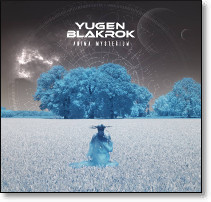
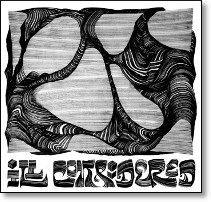
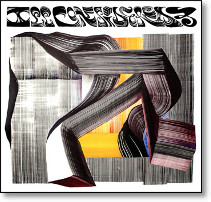
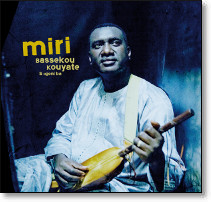

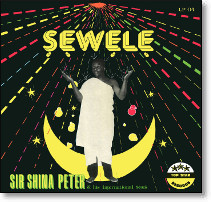
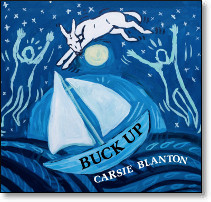
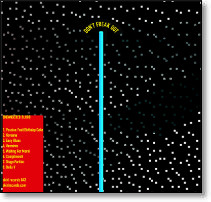
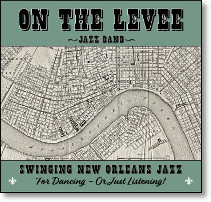
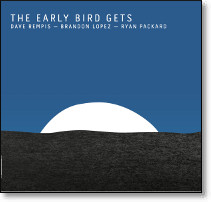
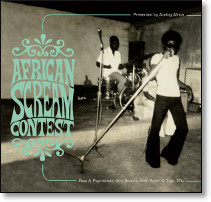
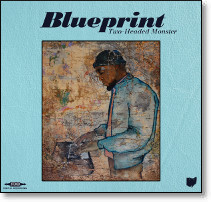
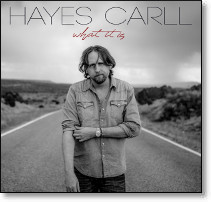
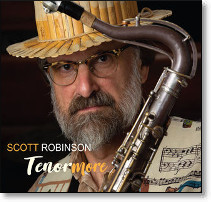
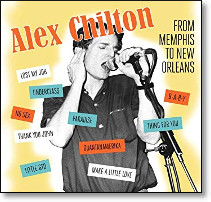
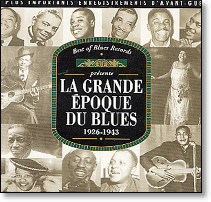
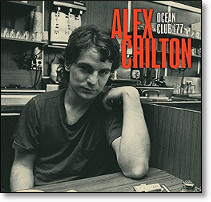
:format(webp):no_upscale()/cdn.vox-cdn.com/uploads/chorus_asset/file/13757408/mass_shootings_chart_01.png)