|
An occasional blog about populist politics and popular music, not necessarily at the same time. LinksLocal Links Social Media My Other Websites Music Politics Others Networking Music DatabaseArtist Search: Website SearchGoogle: Recent Reading
Music DatabaseArtist Search: Website SearchGoogle: |
Monday, April 28, 2025 Music Week
Music: Current count 45850 [45803] rated (+47), 10 [20] unrated (-10). The usual plan is to run Music Week on Mondays (sure, usually very late), regardless of how much or little I've listened to. But sometimes I commit to a different blog post, hoping to get it out before the next Music Week, and I wind up pushing Music Week back. That happened a couple weeks ago, when Loose Tabs ran over to Wednesday, April 15, pushing Music Week back to Thursday, April 16. After that, I figured I'd skip a week, and sync up on Monday, April 27. I actually wound up considering an April 20 Music Week, but it would have only had 8 albums (mostly multi-CD archival sets. But the moment passed. I had a lot of work to do on the house, and I had the idea of writing a little something on political economics for my Notes on Everyday Life Substack newsletter. While that didn't preclude me from posting on Monday, I spent Monday working on it instead of this. It went out last night, under the title Explaining Inflation. Thus far response has been underwhelming: 1 quick like, 0 comments, 0 new subscribers, $0 (no problem there, since I'm not asking for any). Probably another case of "TL;DR" (3333 words), but also my mass subscription base peaked at 100, and has now slipped back to 99. I'm tempted to declare the venture a big failure, but I like the extra care I've put into the small amount of writing so far, and I recognize a lot of the subscriber names as dear friends, so I expect to slog on. By the way, everything that goes to Substack also goes into a directory on my website, here. A big part of my recent writing has focused on the Iran war, which I am of two minds about:
My Iran war pieces are here:
Since I wrote the last one, little has changed. Sure, the intensity of bombing and reprisals have tailed off under the guide of ceasefires, but Iran's leaders are confident in their ability to persevere in the long run, while Trump and Netanyahu would rather drag this out than admit failure or even misjudgment. I expected to write a fourth piece, one that would focus on what I think should happen. Diplomacy works best when both sides seek to do the right thing: to find compromise which benefits both sides, while dispensing with claims that don't really benefit anyone. Regarding Iran, the most important outcome is that all sides normalize relations, showing recognition and respect for Iran's sovereignty and security. (A respect which Iran should reciprocate, but that's hard to expect as long as Israel lashes out at other countries while repressing its own people. While decent democratic folk could take exception at how Iran treats its own people, Israelis [and Americans] have no standing to do so until they put their own houses in order.)
The new piece on inflation was based on a definition given by Explain It Daily. That definition is fundamentally, and even somewhat comically, wrong, for reasons I try to explain. Let's see if I can reduce my points to a bare minimum:
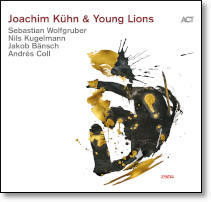
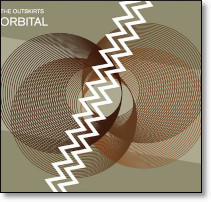
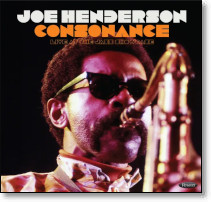
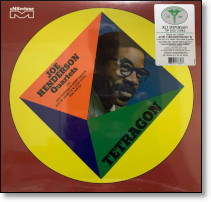
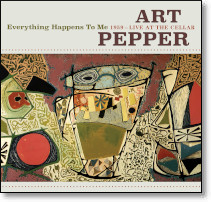
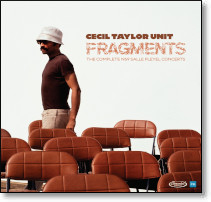
This last point aligns nicely with Mamdani's affordability focus. High prices may always be disappointing, but less so if your wages are rising fast enough to meet them. Inflation is often presented as an absolute horror, but like most things involving money, it is an arena with winners and losers. My feeling is that it's good politics to identify which is which, to temper the winners, and to prop up the losers. And it's better politics to do this in a way that creates many more winners then losers, which is possible because most trade-offs aren't simple zero-sum games. Inflation became a heated political issue in the 2024 election, ineptly handled by Biden and Harris and their economic advisers, who seemed to be more interested in defending their statistical gains than in listening to the complaints of actual voters. Even now, Democratic-leaning economists are still in denial, coining terms like "vibecession" to dismiss voter concerns as confused. I've been reading Cory Doctorow's Enshittification, which offers a much more apt framing of problems that extend well beyond the notorious tech platforms. I have a couple shelves full of similar (if less colorful) books to draw on, as well as a fairly decent grounding in Marx and his friends and enemies. I also have a fair amount of real world experience ranging from typesetting ads to consulting on market strategies and working with financial wheeler-dealers, so I've seen plenty of what goes into the sausage. I expect to draw on all that experience for future pieces. Maybe we'll figure out just how Trump has enshittified politics. Simply calling him a fascist demands too much prior knowledge on the subject. This at least gets to the point quickly, and doesn't run the risk of normalizing him. Some progress worth reporting around the house. It's been cool enough that I was able to do a bit of work in the attic, but turns out very little. Good chance I'm going to leave it as is, although it might not be too hard to frame in the next extension of the planking. At least I have a rough plan for as far as I want to go. But rather than push through on that, I decided to get the railing up on the carport. Because the carport roof has a slight slope, I wanted to build a frame (20 feet long, with two 10-foot sides) with pressure-treated 2x6 lumber, which could be propped up on the outside level. We got that done in a big push on Saturday. Not perfect, but good enough. (Some plastic covers aren't tight, and I have a few screws left. One baluster probably has to be removed. But it's all straight, level, and solidly attached. Also moves a lot of clutter out of the house and garage. Next step is to get the mini-split hooked up again and recharged. That's a job for the contractor, so my role is mostly to nag. Next week or so I expect to finally get started on organizing tools and hardware, weeding out books and CDs, and recycling clothes and such. I got some more storage drawers for the basement to help on that, plus a lot of plastic baskets to move things around. Jigsaw puzzles may be the single biggest item, especially as they don't have the residual library value of books and CDs. Probably pointless to ask for help here, especially as I have little desire to ship things long-distance. I've been slow transitioning from the carport to these cleanup projects because the former involved a lot of painful crawling around, and I'm needing a few days to recover. That's a drag, but seems to be life these days. Working on the computer is relatively painless, but I've been plagued by keyboard disconnects and video freeze ups lately. I bought a new video board (Radeon RX550) and a Logitech mechanical keyboard, but only plugged them in a couple days ago. Keyboard is rather noisy, and taking some time to get used to, but I think it will be OK. No writing to speak of on political book or memoir, and no idea when I might restart. I'm thinking of "Did Something Weird Happen in the 2024 Election?" might be scoped down to a Substack post. At least there I can get my basic thesis out. It's that Americans wanted a revolution, but when they got to the polls the only option they were allowed was Trump, so that's what they got. But when I tried to explain this to a friend, I got a counterargument that Trump was/is the revolution (I don't quite remember how that went). Well, yes, no, maybe, certainly not a very good one. I suppose you can say that he did his reign of terror early, then jumped into Napoleon without much Thermidor. Or we could try to figure out what to call the next higher order of Napoleonic farce. But analogies are supposed to inform, not become games in their own right. Or so I thought. I grew up in a period when it was still possible to see revolutions as implementors of progress, so it's somewhat discomfiting top watch them go awry. But in retrospect, I see more and more of that, to the point where I'm more likely to see a revolution as a gross failure of ancien regime management as opposed to the emerging will of the people and their drive for equality, freedom, and justice. I don't wish to deny Trump agency, but a lot of what elevated him was the failures of both parties not to oppose him but to do their fucking jobs and run the country in a decent and responsible manner. They couldn't do this, not because they were evil or even stupid, but because they found it expeditious to believe a lot of crap that simply was untrue. (See my inflation post for one prime example. The Iran war pieces at least point to a couple more.) I know I'm tilting at windmills here, but from where I sit, it all seems so perfectly clear. Still, it's damn hard to write about it, and I'm running out of time and patience. I'm thinking about shifting direction and doing some long-neglected website work. I'm also thinking about running a mid-year jazz critics poll, even though I'm far from ready to commit to the end-of-year poll. These are stopgaps, because I'm not quite ready to do nothing at all. But I seem to be headed in that direction. Meanwhile, my first short-week's 8 albums have grown to 47 here. No real guiding principles behind what I wound up listening to. Obviously, the [cd] entries were promos, with the archival music collections timed for Record Store Day. The Gil Scott-Heron was a reader suggestion. I get so few of them I'll probably follow up if I can find something to stream. I will say that I played Anthony Joseph shortly after that, and thought it fit the same niche, but with even better music. I have another question pending, on tornados, so I'll try to get to that next week. New records reviewed this week: Paulo Almeida: Love in Motion (2025 [2026], Dox): Brazilian drummer, also sings, sixth studio album, with Lorenzzo Vitolo (piano, synths), Josh Schofield (alto/soprano sax), Joan Codina (bass), plus vibes (Jorge Rossy) on one track, vocals (Lisette Spinnler) on another. Nice groove, vocals hit/miss. B+(**) [cd] Angine De Poitrine: Vol. II (2026, Spectacles Bonzaï): Instrumental rock duo, from Chicoutimi in Quebec (I've been there, and think of it as far enough off the beaten path to be the Duluth of Canada), appear on stage with masks, one playing microtonal guitar, the other drums. B+(***) [sp] Teller Bank$: Hate Island (2026, $357ENT): Underground rapper from Des Moines, half-dozen self-released albums since 2019, gave his label a name here. Interesting vibe here, but the pleasures aren't unequivocal. B+(**) [sp] Abate Berihun & the Addis Ken Project: Addis Ken (2021 [2026], Origin): Ethiopian singer/saxophonist, immigrated to Israel, picked up a band including Roy Mor (piano), David Michaeli (bass), and Nitzan Birnbaum (drums), with two guest vocals by Rudi Bainesay. B+(*) [cd]Yaya Bey: Fidelity (2026, Drink Sum Wtr): Neo-soul singer-songwriter from New York, seventh album since 2016. B+(***) [sp] Julie Campiche [Solo]: Unspoken (2024 [2026], Ronin Rhythm): Swiss harpist, looks like she has several previous albums (but not in Discogs), this one billed as "Solo" (but with sampled voices and electronics, plus bass on 4 of 8 tracks; one track features a Spanish poem by Las Patronas (a group of Mexican women who help migrants to the US) accompanied by drum and shruti. B+(***) [sp] Dälek: Brilliance of a Falling Moon (2026, Ipecac): Newark-based experimental hip-hop group, principally Will Brooks (MC Dälek), six albums 1998-2010, returned in 2016 with producer Mike Manteca (Mike Mare), fourth album together. Some interesting industrial undertow. B+(***) [sp] Damana: Rhizome (2023 [2025], Umulius): Octet led by Norwegian drummer Dag Magnus Narvesen, released a good album on Clean Feed in 2016, group with three saxophones, trumpet, trombone, piano, and bass. B+(**) [bc] Marie-Paule Franke: Through the Cracks, the Light Is Born (2026, MariPosa): Jazz singer-songwriter, born in Germany, raised in Belgium, seems to be her first album, with a "New York-based quartet." First song is a tribute to Joni Mitchell. Cabaret touches, nice saxophone, a closer in French I particularly like. B+(***) [cd] [06-26] Fuerza Regida: 111xpantia (2025, Rancho Humilde/Street Mob/Sony Music Latin): Described as "an American regional Mexican band formed in San Bernardino," ninth album since 2019, evidently very popular (Spotify credits then with 45 million streams/month). B+(**) [sp] Barry Greene: Giants (2025 [2026], Origin): Guitarist, recently retired from a long career teaching at the University of North Florida, has several albums, and books and videos on jazz guitar. Half trio with Pat Bianchi (organ) and Ulysses Owens Jr. (drums); half quintet with David Kikoski (piano), Steve Nelson (vibes), Marco anascia (bass), and Owens; with one original and covers mostly from the guitarists who inspired his title (Wes Montgomery, Grant Greene, Pat Martino, Pat Metheny, Russell Malone). B+(*) [cd] Jared Hall: Hometown (2023 [2026], Origin): Trumpet player, based in Seattle, has a couple previous albums (including a Rick Margitza tribute), post-hard-bop quintet with Troy Roberts (tenor sax), Ben Markley (piano), bass, and drums. B+(**) [cd] Phil Haynes/Ben Monder/Peyton Pleninger: Terra (2025 [2026], Corner Store Jazz): Drummer, originally from Oregon, moved to New York, was part of Joint Venture in 1987 (with Ellery Eskelin, Drew Gress, and Paul Smoker) and settled into their nook of the avant-garde, while maintaining his feeling for the "old, weird America" (not sure who coined that phrase, but you probably know what I mean). Trio with guitar and saxophone: Monder is well known, and coming off a duo with Haynes. Pleninger isn't, with just two credits on Discogs (one with Henry Threadgill). Engages gradually, but engages before the final fade. B+(***) [cd] [05-01] IDK: E.T.D.S. A Mixtape by .IDK. (2026, Rhymesayers Entertainment): Rapper Jason Mills, born in London, parents from Sierra Leone and Ghana, grew up in Maryland, first mixtape in 2014, five albums since 2019, fifth mixtape (some as Jay IDK, I've seen this attributed both ways). Acronym stands for Even the Devil Smiles. Thematically works through a 15-year prison sentence he entered at 17 (3 years actually served). Not gangsta, but hard knocks. B+(***) [sp] Kathy Ingraham: Jazz Dreams (2026, Peirdon): Singer, half-dozen albums since 2014, wrote two songs here, the rest rock era (roughly 1964-74) standards: "Dream On," "House of the Rising Sun," "Ruby Tuesday," "Eli's Coming," "Stairway to Heaven." Arranged by Pete Levin (piano/strings/bass), features called out for Randy Brecker (flugelhorn), Evan Christopher (clarinet), Elliott Randall (guitar), and William Galison (harmonica). B+(*) [cd] Anthony Joseph: The Ark (2026, Heavenly Sweetness): Spoken word artist from Trinidad, based in England, honed his craft writing poetry and novels, half-dozen albums since 2013 (per Discogs; Wikipedia goes back to 2007), a striking lyricist but I'm even more impressed with the music. A- [sp] Kesha: . [Period] (2025, Kesha): Dance-pop singer-songwriter, sixth album since 2010, her debut album a big hit, subsequent records never much impressed me, which may be why I didn't bother with this one. Or maybe the title escaped me, until someone translated . to Period — I've actually been listening to a version with three dots, which Spotify calls . (...), but which is the core album plus some not entirely redundant remixes. Or it just didn't garner the rep (AOTY 64/15), but I'm hearing a solid sequence of singles. A- [sp] Jason Kruk: Beyond the Veil (2026, SunGoose): Drummer, has at least one previous album, this one leans fusion, with two guitarists (Wayne Krantz, on 2 songs, and Adam Rogers, on 4), Fima Ephron (bass, 6 songs), and "members of Snarky Puppy" — aside from Michael League (bass) and Bob Lanzetti (guitar) I'm not sure how (or why?) they figure that, as the others on the songs with them (5 of 11) are Art Hirahara (piano) and Brian Donohue (tenor sax). B [cd] [05-01] Joachim Kühn: Joachim Kühn & Young Lions (2025 [2026], ACT Music): German pianist, debut 1967, 81 when he recorded this, with four younger players I don't recognize: Jakob Bänsch (trumpet), Andrés Coll (marimba), Nils Kugelmann (bass), and Sebatian Wolfgruber (drums), playing new (and quite tricky) pieces by Kühn. Some exceptional music, with the trumpet player a major find. A- [sp] M.I.A.: M.I.7 (2026, Ohmni): Maya Arulpragasam, born in London, parents Tamils from Sri Lanka, moved back there from 6 months, where her father was active in a civil war, before she returned to England at age 11. Seventh album since 2005, from a time when she partnered with Diplo (2003-08), producing a very infectious funk-rap hybrid. Has had a tumultuous life, including a relationship with one of the Bronfman heirs (2008-12), and a set of political pronouncements that are fiercely heterodox, including endorsements of Corbyn and Trump (following RFK Jr., after she had become one of the world's most vocal anti-vaxxers). Parents were Hindu, but she attended a Catholic school in Sri Lanka, and declared herself a born-again Christian in 2017. This album is "structured around the seven Trumpets of Revelation," and is being treated as Christian rock/rap, although the gospel tinges are minor, the beats uniquely her own, and the narration, well, not something I particulary notice (or mind). B+(***) [sp] Mammal Hands: Circadia (2025 [2026], ACT Music): British jazz trio, half-dozen albums since 2014, with Jordan Smart (sax), Nick Smart (piano), and Rob Turner (drums). Easy listening jazz with hints of more. B+(*) [sp] Liudas Mockūnas/Samuel Blaser/Marc Ducret: Twisted Summer (2023 [2026], Jersika): Lithuanian avant-saxophonist (soprano/tenor/bass sax, also clarinet), trio with trombone and guitar. B+(**) [sp] Ashley Monroe: Dear Nashville (2026, Mountainrose Sparrow): Country singer-songwriter, seventh solo album, the first previewed in 2006 but not released until 2009 (and then only digital), but got more notice for four albums in Pistol Annies. Theme is about the many ways Nashville screws you over. B+(*) [sp] The Outskirts: Orbital (2025 [2026], Aerophonic, 2CD): Trio of Dave Rempis (alto/tenor sax), Ingebrigt Håker Flaten (bass), and Frank Rosaly (drums), active in Chicago when the Norwegian bassist live there (2005-08), belatedly released a 2009 live album ("a barely usable rough mix") in 2020, but regrouped here for a couple of live dates in Europe: one in Padova on the first disc (74:41), and one a week earlier in Antwerp on the second (69:45), joined by pianist Marta Warelis. (I filed the old album under Rosaly's name, but Rempis claims all the compositions here.) Rempis is terrific, as usual. Warelis isn't necessary, but a plus. A- [dl] Praed: Al Wahem (2026, Ruptured/Annihaya): Duo of Raed Yassin (keyboards, electronics, vocals, from Lebanon) and Paed Conca (clarinet, electric bass, electronics, from Switzerland), seventh album since 2008 (plus two albums as Praed Orchestra). B+(**) [sp] Shalosh: What We Are Made Of (2025 [2026], ACT Music): Israeli piano trio: Gadi Stern (piano), David Michaeli (bass), Matan Assayag (drums). Six previous albums back to 2015. Some nice passages, some a bit overwrought. B [sp] Jae Skeese & ILL Tone Beats: The Good Part, Vol. 1 (2026, Griselda): Buffalo rapper, busy since 2020, producer also from Buffalo, associated with Black Soprano Family, they did a single together in 2024. B+(**) [sp] Peter Somuah: Walking Distance (2025 [2026], ACT Music): Trumpet player from Ghana, based in Rotterdam, has a couple previous albums (one called Highlife, which wasn't all that deeply rooted in its namesake music). This one doesn't totally dispense with eclectic exotica, but works as contemporary European postbop, with keyboards (Anton de Bruin), bass (Marijn van de Ven), drums (Jens Meijer), extra percussion (Danny Rombout), and spots of guest cello and flute. Still, this is a very nice example. I'd be curious what big fans of Ambrose Akinmusire make of it, since to my ears they are very similar. B+(***) [sp] Station Model Violence: Station Model Violence (2026, Anti Fade): Australian post-punk group, first album, Bandcamp page starts by talking about Iggy Pop listening to Neu's "pastoral psychedelicism," which may be what they're aiming for (as opposed to the more obvious Wire gestalt). B+(*) [bc] Taroug: Chott (2026, Denovali): Tunisian electronic producer, grew up in Germany, second album, some vocal content, some interest, not both at the same time. B+(*) [sp] Katelyn Tarver: Tell Me How You Really Feel (2026, Nettwerk): Pop singer, from Georgia, probably songwriter, appeared as a teenager on American Juniors (2003), released an album in 2005 (at 16), did a fair amount of TV acting since 2010, third album since 2021, could pass for country but doesn't make a point of it. B+(**) [sp] They Might Be Giants: The World Is to Dig (2026, Idlewild): Witty guys, John Linnell and John Flansburgh, released an eponymous album (group named after a cult fave movie) in 1986 that was easily my year-topper, but my interest waned fairly quickly after that, long before this 24th studio album. Which only really caught my attention mid-way through with their cover of "Overnight Sensation (Hit Record)" (written by Eric Carmen for Raspberries in 1974, the single from one of the year's best albums, Starting Over). The next songs registered stronger, which got me to replay the whole thing, paying more attention. It wasn't unrewarded. B+(**) [sp] Viktoria Tolstoy & Jacob Karlzon: Who We Are (2025 [2026], ACT Music): Swedish jazz singer, adopted the surname of the Russian novelist, a great-great-grandfather. Fifteen albums since 1994. Has a previous (2013) album with the Swedish pianist, who has a similar number of albums since 1997, and who wrote all of the songs here (aside from the Radiohead cover). Choice cut: "Trigger Warning." B+(**) [sp] Jessie Ware: Superbloom (2026, EMI): British pop singer-songwriter, sixth album since 2012, Barney Lister the most frequent co-writer/producer. Has some disco glitz. B+(*) [sp] What You May Call It: Da Qi (2024 [2026], MechaBenzaiten): Quartet of Chris Kelsey (soprano/tenor sax, stritch), Rose Tang (guitar, vocals), Steve Holtje (keyboards, trombone), and Charles Downs (drums). Kelsey I recall as a jazz critic who did some records on CIMP that were long in my shopping list but hard to find. Holtje I know as ESP-Disk's publicist. Downs has a long and distinguished discography with Billy Bang, Cecil Taylor, William Parker, Jemeel Moondoc, etc., but mostly as Rashid Bakr. They make for some powerfully interesting music, but Tang's vocals — an acquired taste, quite possibly — disincline me from playing this again. B+(**) [cd] [05-08] Recent reissues, compilations, and vault discoveries: Angine De Poitrine: Vol. 1 (2024 [2026], Spectacles Bonzaï): First album, first self-released in 2024, then picked up by Les Cassettes Magiques, and now reissued by their Vol. II label. Six songs, 32:54. B+(***) [sp] Joe Henderson: Consonance: Live at the Jazz Showcase (1978 [2026], Resonance, 2CD): Tenor saxophonist (1937-2001), made a big impression with Blue Note in the 1960s, and managed to keep going strong through the 1990s. Penguin Guide noted that he always sounds like he's in the middle of a big solo, and there is a lot of that here in sets that span 160 minutes. with Joanne Brackeen (piano), Steve Rodby (bass), and Danny Spencer (drums). Suffers a bit from sprawl, compared to albums like 1985's The State of the Tenor, but the high points are undeniable. A- [cd] Joe Henderson Quartets: Tetragon (1967-68 [2026], Craft): After five more/less classic albums on Blue Note (1963-66), the tenor saxophonist moved to Milestone for this pair of quartet sessions, with Don Friedman or Kenny Barron (piano), Jack DeJohnette or Louis Hayes (drums), and Ron Carter (bass) on both. A- [sp] Ahmad Jamal: At the Jazz Showcase: Live in Chicago (1976 [2026], Resonance, 2CD): Pianist (1930-2023), mostly trios starting in 1951, some quite brilliant, including the first disc here, with John Heard (bass) and Frank Gant (drums). Second disc slacks off some. B+(***) [cd] Yusef Lateef: Alight Upon the Lake: Live at the Jazz Showcase (1975 [2026], Resonance, 3CD): Tenor saxophonist (1920-2013), also studied and played a lot of flute, especially as his interests moved into African and Middle Eastern musics. Born William Huddleston in Chattanooga, moved to Detroit where his mother remarried, briefly making him Bill Evans, until he converted to Islam and changed his name. Received advanced degrees, and taught in Massachusetts and Nigeria. Quartet here with Kenny Barron (piano), Bob Cunningham (bass), and Albert "Tootie" Heath (drums), runs the gamut, includes some impressive tenor sax and a lot of flute (which I've never much cared for, but is not uninteresting). B+(***) [cd] Art Pepper: Everything Happens to Me: 1959 Live at the Cellar (1959 [2026], Omnivore, 4CD): Alto saxophonist, started out in the 1940s with Benny Carter and Stan Kenton, recorded some brilliant albums early but got busted for drugs and other crimes, spending most of 1954-64 in jail, except for a brief stretch from 1956-60, when he recorded his classics (the prime albums are Meets the Rhythm Section and Smack Up, but also look for the later-collected 1956-57 Aladdin sessions). After he got out, he gigged some, but didn't really get going again until his 1975 album Living Legend, followed by years of manic touring and massive recording until he died at 56 in 1982. The late studio work is collected in a 16-CD box set, The Complete Galaxy Recordings, which invites (and rewards) random sampling. Since his death, his third (and last) wife, Laurie Pepper, has been releasing his tapes, mostly from this late period. But this product goes back to the earlier period, with four hours of live sets recorded in Vancouver, with all the tape they could find (including incomplete tunes when tape ran out, ambient noise, chatter, etc.). Quartet with Chris Gage (piano), Tony Clitheroe (bass), and George Ursan (drums), who are proficient but hardly stars. But Pepper is a star, and able to extend his aura indefinitely. A- [sp] Michel Petrucciani: Kuumbwa (1987 [2026], Elemental Music, 2CD): French pianist, short-lived (1962-99), physically stunted but he had an amazing span of the keyboard, trio with Dave Holland (bass) and Eliot Zigmund (drums), left some extraordinary performances, but this isn't quite one. B+(**) [cd] Cecil Taylor Unit: Fragments: The Complete 1969 Salle Pleyel Concerts (1969 [2026], Elemental Music, 2CD): Pathbreaking avant-garde pianist (1929-2018), but a charmed one, who recorded early on for major labels, waltzed easily into DownBeat's Hall of Fame, and shows up here in an archival series that had never before strayed farther out than Mingus. But apparently this European tour packaged him alongside Duke Ellington and a very dismissive Miles Davis (described by Taylor as "pretty good for a millionaire"). His Unit always included Jimmy Lyons (alto sax), usually Andrew Cyrille (drums), and on this occasion Sam Rivers (tenor/soprano sax, flute). Three sets, over two long CDs (70:10 + 71:45), where Taylor works his magic, while the discordant horns wail away, remarkable as long as patience holds. A- [cd] Old music: Joe Henderson: The Elements (1973, Milestone): Featuring Alice Coltrane (piano/harp/tamboura/harmonium), with Charlie Haden (bass) and Michael White (violin) also noted on the cover, and various others. Interesting exotica. B+(***) [sp] Kesha: Gag Order [Live Acoustic EP From Space] (2023, Kemosabe/RCA, EP): Four songs from her 2023 album Gag Order, mostly produced by Rick Rubin. B [sp] Ashley Monroe: Satisfied (2006 [2009], Sony): Country singer-songwriter, got noticed for the trio Pistol Annies (3 good albums 2011-18, plus the 2021 Hell of a Holiday, which I missed), where Miranda Lambert was an established star, and Angaleena Presley and Monroe were newcomers, on their way to some pretty good solo albums. But this was Monroe's forgotten debut, recorded and teased with a couple singles in 2006, then shelved until 2009, when it appeared digital-only. She co-wrote seven songs, but the covers stand out ("Can't Let Go," a Randy Weeks song via Lucinda Williams, and a duet with Dwight Yoakam). B+(***) [sp] Gil Scott-Heron & Brian Jackson: 1980 (1980, Arista): Politically-engaged poet, spoken word albums from 1971 on paved the way for rap, worked with Jackson's funk grooves for seven albums from 1974, with this the last of the series. Regarded by some at the time as the best of the bunch, I'm finding it a bit dated and quaint. B+(***) [yt] Unpacking: Found in the mail last week:
|