|
An occasional blog about populist politics and popular music, not necessarily at the same time. LinksLocal Links Social Media My Other Websites Music Politics Others Networking Music DatabaseArtist Search: Website SearchGoogle: Recent Reading
Music DatabaseArtist Search: Website SearchGoogle: |
Friday, July 31, 2026 Music Week
Music: Current count 46366 [46332] rated (+34), 11 [14] unrated (-3). Advance Music Week appeared here on Substack. It is also archived here.) Hopefully I'll get the album covers right before sending it out. (I did.) We're a week past the publication of the Mid-Year Francis Davis Jazz Critics Poll. I expected to have more to say about it at this point, but as is so often the case, exhaustion has left me distraught and distracted, looking elsewhere. I did start a slight facelift to the top-level website, but checked it in with just enough to cover the mid-year poll, and haven't gotten back to it. I think it works better for landscape screens, but probably not for phones (which I gather is what most people use for web browsing these days, although I almost never do). I know there's "responsive website" code for figuring that out. I just have to dig it up. I'm thinking of adding album covers for the landscape version. People seem to need graphics to look at a web page these days. Go figure. I also need to move the Francis Davis obit notice into its own file. I also want to create new top-level files for charts that span the multiple polls. I have some cheat sheets I've compiled that I use for stats when I'm writing essays. There's no reason that information shouldn't be easily available. It hasn't happened because polls go in boom-and-bust cycles. During the voting period, it's all we can do to keep up. After voting ends and the essays are sweated through, we're busted and don't feel like doing any more. One solution I've thought a bit about is to raise some money and hire someone to work on the poll more/less full time. I don't know whether that's even possible. One idea I had was to create a Substack, where the revenues would go to hiring a manager. We could then give voters free subscriptions for their troubles. (DownBeat continues to get lots of voters who won't give us the time of day, even though it takes at least ten times as long to fill out their ridiculous 50+ category forms. But they give voters a free subscription, and a promo T-shirt, or I guess it's a cap this year. I don't know that it makes a difference, but perhaps it does.) Or maybe there's some foundation money available somewhere. Or a "go fund me." I have no idea how that sort of thing works. There isn't a huge audience for the poll, but I'm pretty sure there is an appreciative one. For my part, I'm pretty good at doing things on the cheap, and I like not having to cater to the whims of those with money. So I'm not the right person to attempt anything like that. And while I'm happy to help, at my age I'm not likely to be able to keep doing this sort of thing much longer. I'm fairly committed to running the poll again in the fall, but not beyond that. The question is how can the poll be organized this fall so it can continue in the future. Because the need is there, and most likely always will be. As it is, I've spent most of the week trying to catch up after ignoring Loose Tabs for over six weeks — the longest gap since I gave up on doing the weekly Speaking of Which. My draft at present is up to 15,729 words (264 links). I am hopeful I can finally publish it over the weekend. It's already provided raw material for my Lindsey Graham post (Famous Death Dwarves). Very little reaction to that, leaving me with questions about the experiment. It probably would have had more impact had I taken my links/comments and restructured them as a straight essay.[*] I could also have expanded on where I see his legacy going. For now, the Ukraine war hawks are riding high on his dead horse.
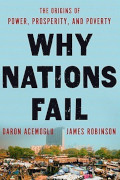
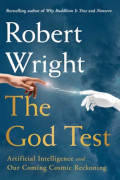
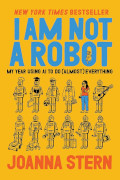
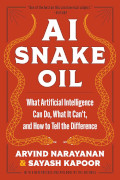
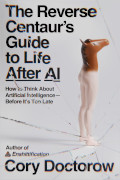
More non-jazz this week than jazz, for the first time in quite a while. There are still many records from the poll that I haven't heard — I have a list I've been ticking off, which has shrunk from 295 to 242 albums (roughly from 50% of the poll picks to 40%) — but finding the ones that look most interesting is getting hard. While I still get a fair number of promos, I depend on Spotify and full albums on Bandcamp to make up the slack. I only rarely follow up on download offers — there must be some system that other people use to manage them, but I've never figured one out — and I rarely ask for CDs or downloads. Besides, I've neglected non-jazz over the last couple months. In particular, I've hardly looked at any mid-year lists this year (and I'm not tracking metacritic grades, so I've lost that major source of information). I don't get many questions, but I tried to answer one today. Probably not very satisfactorily, but it's impossible to review everything, or anything remotely close, so one has to pick and choose, based on what seems promising, and what doesn't. I could have added that these days (thanks to streaming) I continue to check out virtually every record Christgau writes up, even the male alt/indie rockers I have little hope of actually liking. I was pretty solidly into rock and soul from the 1960s through the 1980s, diversifying only a bit into roots and jazz in the 1970s (before returning seriously in the 1990s), but not getting to hip-hop until late (like, Run-DMC, so I guess mid-1980s, not that late). So there's always a chance. But sorry, not a lot of patience these days. [*] I'm in the market for some AI tools. Supposedly one thing they're good at is summarizing articles, which makes me wonder how good one might be at taking notes and forming them into a proper outline. Not quite the same thing, but related, at least if they evince some understanding. Could I, for instance, take everything I've blogged over 25 years and feed it to one, and have it spit out some kind of coherent piece on North Korea? It wouldn't even have to be right. Once I have something, I can fix it. The big problem is getting from very scattered notes to something I can work with. I've been reading a series of books on AI, and am currently about one-third done with the fourth. The books are shown under "Recent Reading" to the left. I think the order is well-considered:
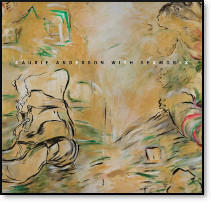
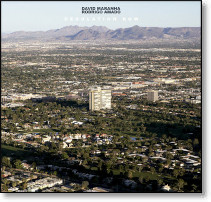
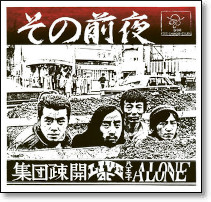
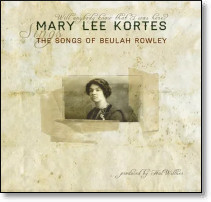
Doctorow emphasizes the business issues, expecting the bubble to burst, while warning that the key issue is who controls whom. AI Snake Oil admits that AI has many practical uses, but disparages "predictive AI." Stern is a tech-testing journalist, with access to lots of the latest gadgets and models, so helps break the big concept of AI down to its practical (and impractical) constituents. I hate Wright's title, and his general fascination with cosmic evolution, but I started reading his newsletter due to his good sense on foreign policy, and I've followed his interest in AI for several years now. More generally, I agree with is focus on the need for cooperation in political matters — to which point, I've read his 1999 book Nonzero: The Logic of Human Destiny, which has the same God baggage, but isn't fatally undermined by it. I'm about a third of the way through The God Test, and it is the most troublesome of the four books, but I still have hope. For one thing, it is the only one that looks beyond the current state of the art to try to figure where it's going, how it will impact us, and what we might most constructively do about it. At that point, I suspect we'll be in substantial agreement. If AI can be abused by nefarious characters (including governments), and it almost certainly can, we need a kinder, more generous, more cooperative, more trustworthy politics and economy (something Wright might be tempted to call a religion). I've read several other books, like Ronald Kneusel's How AI Works: From Sorcery to Science, and Matteo Pasquinelli's The Eye of the Master: A Social History of Artificial Intelligence. I've also found that AI figures in other recent books I've read, like Daron Acemoglu/Simon Johnson's Power and Progress: Our Thousand Year Struggle Over Technology and Prosperity, and John Cassidy's Capitalism and Its Critics: A History: From the Industrial Revolution to AI. In the wings, I have a book from the library, Artificial Intelligence for Dummies: All-in-One, which runs some 716 pages. I expect it to be superficial, and tied to specific programs, few of which I will ever use, but I hope it might be worth thumbing through for ideas on how to use whatever tools I do try out. New records reviewed this week: A-F-R-O & Motion Plus: Frequencies (2026, Fro Thizzle Productions): Rapper James Dean Santiago-Gutierrez, handful of albums since 2016, acronym for All Flows Reach Out, with producer William Sterns, heavy on the turntablism. B+(***) [sp] Akhavelli: Moorthodox Psyence (2026, Below System): London-based producer, first album as such, but also known as Yvng Face, billed as "instrumental" but his collages have lots of hip-hop vocal samples. Vibe strikes me as Public Enemy, but the artist is probably thinking more of Tupac Shakur. B+(***) [bc] Ishmael Ali: Burn the Plastic, Sell the Copper (2023-25 [2026], Amalgam): Cellist, from Chicago, touted as his debut album but Discogs credits him with ten since 2020. Also credited with voice, electronics, and compositions, with Ed Wilkerson Jr. (tenor sax/alto clarinet), Corey Wilkes (trumpet), Jim Baker (piano, ARP), Brianna Tong (voice), and Bill Harris (drums). Voice a plus, for once. B+(***) [bc] Laurie Anderson With Sexmob: Let X = X (2023 [2026], Nonesuch): Performance artist, combines very brainy spoken word with her violin and minimalist synths to produce a series of brilliant albums, starting with 1982's Big Science, with 1985's United States Live (a 5-LP box) and 1989's Strange Angels most remarkable. Live album, with 23 songs in 94 minutes, based by a jazz quintet organized by Steven Bernstein and Briggan Krauss (brass) in 1998, with Doug Wieselman (clarinet/guitar), Tony Scherr (bass), and Kenny Wollesen (drums). They don't replace, let alone eliminate, the synths and violin, but they add warmth, and occasionally some rhythmic flex. I suspect that Bernstein is the musical hero here, not for his trumpet but for his arranging skills. One surprise is they dropped in a vocal from the ghost of Lou Reed (they were married from 2008 to his death in 2013). But even more than the music, I'm struck by the philosophy, so much needed for our times: the last lines are "there are so many sad things in the world, and if you pretend they're not there, you're an idiot. The point is, that it is very, very important not to become sad yourself. And more than that, he said, 'You know, you need to remember that the reason we're here, the actual reason that we're here is to have a really, really, really good time.'" A [sp] Nia Archives: Emotional Junglist (2026, Hijinxx/Island): British jungle/electronica producer Dehaney Nia Lishahn Hunt, I had her filed as such based on her early EPs, but this is a songs album, and she's a singer-songwriter, even if her beats are exceptionally deft. A− [sp] Charli XCX: Music, Fashion, Film (2026, Atlantic): British pop star, eighth album, produced by A.G. Cook and Finn Keane, who co-wrote the 11 tracks (a tight 30:05, with the vinyl shorter, dropping a David Cronenberg vocal sample, and a "B-Sides Edition" extra CD available which only adds 5:45). B+(***) [sp] Christopher Dammann: Dead Words (2025 [2026], Shifting Paradigm): Bassist, has a previous album (Sextet), Chicago group with trumpet (James Davis), strich (Jon Irabagon), piano (Jim Baker), and drums (Mike Reed), some electronics. Boisterous freebop. B+(***) [sp] Eliane Elias: Ao Vivo (2023 [2026], Candid): Brazilian pianist, early albums (from 1983) were instrumental, started singing at some point — certainly by 1998's superb Sings Jobim — and that's become a regular dimension of her act. Live album, from a performance at SFJAZZ, with Leandro Pellegrino (guitar), Marc Johnson (bass), and Rafael Barata (drums). B+(**) [sp] Andy Emler/Claude Tchamitchian/Eric Echampard: There Is Another Way (2025 [2026], La Buisonne): French pianist, albums back to 1982, in a trio with bass and drums, his regular group at least since 2003. B+(**) [bc] Jimmy Farace: Big Shoulders, Big Sounds (2026, Shifting Paradigm): Baritone saxophonist, from Chicago, second album, trio with Clark Sommers (bass) and Dana Hall (drums). B+(**) [sp] Kelly Green: Eat Your Greens! (2026, Green Soul): Pianist-singer, (19) at Discogs, has a couple previous albums. Mostly covers, with just bass and drums on one track, combinations of horns on the rest — most often Scott Robinson (tenor sax), with Wallace Roney Jr. (trumpet), Wycliffe Gordon (trombone), Steve Wilson (alto sax), and Elijah J. Thomas (flutes), most successfully on oldies like "When You're Smilin'" and "Solitude." B+(**) [cd] [08-28] Elias Haslanger: Legacy (2025 [2026], Bandstand Presents): Tenor saxophonist, based in Austin, debut 1994, takes a look back here, although I'm not really sure to what — bebop, I suppose. With Mike Sailors (trumpet), backed by piano, bass, and drums. B+(*) [sp] Illit: Mamihlapinatapai (2026, Belift Lab, EP): K-pop girl group, fourth EP, 5 songs, 13:16. B+(*) [sp] Owen Lake and the Tragic Loves: Bury Deep My Heart (2026, Carrier): Country singer-songwriter Jeff Snyder, sneaking up on a career that started in 2011 with an EP, then an album in 2018. Second album. His country + EDM concept has settled in clearly on the country side, with fiddle and pedal steel more convincing than George Jones covers. Still, there's something synthetic here I don't quite buy, although I'm not opposed to pop art in principle. B+(***) [cd] David Maranha/Rodrigo Amado: Desolation Row (2025 [2026], Comets Coming): Organ and tenor sax duo, second album together. I've never looked into Maranha's other work, which includes close to 20 albums back to 1994, as well as the experimental drone group Osso Exótico (9 albums 1990-2010). Here he fills out the background, for some pretty major tenor saxophone. A− [bc] Rico Nasty: RX (2026, Sugar Trap, EP): Rapper Maria-Cecilia Kelly, four albums 2018-25, 9 songs but only 20:41 B+(**) [sp] Jenny Reynolds: Willow & Stone (2026, self-released): Singer-songwriter from New England, based in Austin, where she won a poll as "Best New Local Act" in 2005. Fourth album, as far as I can tell (2002, 2008, 2020, 2026). Strong songwriter, but not much sticks. B+(**) [sp] Tom Ricci: Happening in Buenos Aires: Live at Borges 1975 (2023 [2026], self-released): Standards singer, from Argentina, based in California, fifth album (can't find him on Discogs), "Borges 1975" is "a popular cultural space, jazz club, bar, and bookstore" in Buenos Aires. Plays guitar. Opens with very nice takes on "Mood Indigo" and "Night and Day," slips into Spanish (or Portuguese) for three songs in the middle (including a Jobim and "Besame Mucho"), followed by a touching reading of "What a Beautiful World." B+(**) [cd] David G Smith: Hero Street (2026, Hey Dave): Folkie singer-songwriter, from Iowa, seven previous albums on his website, only one album I can find on Discogs. B+(***) [sp] Clark Sommers: WaBaSH (2025 [2026], Calligram): Bassist, from Chicago, has a stimulating postbop group with two saxophonists (John Wojciechowski and Geof Bradfield) and drums (Dana Hall). B+(***) [cd] [08-07] Swamp Dogg: Swamp Dogg Contemplates the Afterlife (2026, S-Curve): Jerry Williams, started as a mainstream soul producer for Atlantic in the 1960s, adopted this persona for one of the singularly great albums of 1970, and has been hit-and-miss ever since. But at 83 he's hitting as consistently as ever. Possibly his best since Total Destruction to Your Mind. Sure, the subject matter reminds me more of the later 1970s albums when his relationships went sour, but age has given him insights into the big picture, while he still has the chops to arrange and sing. A [sp] The Westerlies: Have You Heard? The Music of Bill Frisell, Vol. 1 (2020-24 [2026], Westerlies): Brass quartet, formed in 2011 by Riley Mulherkar (trumpet) and Andy Clausen (trombone), here with seconds Chloe Rowlands (trumpet) and Addison Maye-Saxon (trombone). Over a dozen albums since their first on The Music of Wayne Horvitz. This one compiles eight Frisell compositions from eight separate dates, evidence that they've been thinking about his music for a long time. B+(**) [sp] Earl "Guitar" Williams: The Soul King of Bessemer, AL (2025 [2026], Music Maker): Blues guitarist-singer, b. 1952, can't find him on Discogs but another source says this is his fourth solo album. B+(**) [sp] Otomo Yoshihide/Kei Matsumaru: Shutsumin (2024 [2026], Trost): Japanese guitarist and turntablist, many albums since 1988, including some recordings as far back as 1975. I was looking for his rendition of Out to Lunch, but instead found this duo with saxophone. Way too discordant for my taste, which I only coped with by turning it way down (at which point, sure, it had some merit). B— [bc] Tucker Zimmerman: Dream Me a Dream (2026, Big Potato): Singer-songwriter, recorded the modestly titled Ten Songs back in 1969, more albums up to 1983, big gap to 2003-05, got going again in 2021. Died with his wife in a house fire in 2026, leaving this final album. Others have complained about "musical drop-off," but I'm finding this very charming. B+(***) [sp] Recent reissues, compilations, and vault discoveries: Charles Lloyd: Sangam & Friends (2009 [2026], Blue Note): Tenor saxophonist, plays some flute, recorded an album in 2004 called Sangam with Zakir Hussain (tabla) and Eric Harland (drums), regrouping the trio in Mumbai in 2009, along with additional players, with vocals by Vijay Prakash. Hussain died in 2024, so this appears as a tribute. B+(***) [sp] Shūdan Sokai: Live at Hachioji Alone (1976 [2026], Aguirre): Japanese free jazz quartet, recorded this one album, group name translates as "mass evacuation. Group is led by Yoriyuki Harada (piano) and Kazutoki Umezu (alto/baritone sax), back from a spell in New York exploring the jazz loft scene, with Junji Mori (alto sax) and Takashi Kikuchi (drums). Umezu went on to have the more notable career, but the pianist's Cecil Taylor moves are most impressive here. And when they switch gears, that's doubly impressive. A− [sp] Sun Ra Arkestra: Somewhere Over the Rainbow: Live at the Bluebird Cafe, Bloomington, Indiana (1977 [2026], Strut): De trop: 26 songs, 141 minutes, fills up 2 CDs, 3 LPs, giving you a wide view of their entire schtick, some of which is wonderful, more may have been fun at the time (where the element of surprise is always in the air), some of which just wears on your nerves. B+(*) [sp] Old music: Plas Johnson: This Must Be the Plas! (1959, Capitol): Tenor saxophonist (1931-2026), a couple dozen albums and lots of side-credits from 1956, best known for his work with Henry Mancini. Second album, strong sax over an easy listening groove, with vibes, guitar, piano/organ, bass, and drums. B+(**) [sp] Plas Johnson: Bop Me Daddy (1956, Tampa, EP): Tenor saxophonist, playing eight songs (21:33), backed by piano, bass, and drums. Nothing exciting, but Johnson has a rich tone with a solid blues grounding. [Reissued 2014 on CD along with a second Tampa album, Drum Stuff, from 1957.] B+(*) [sp] Plas Johnson/Red Holloway: Keep That Groove Going (2001, Milestone): Two tenor saxophonists, Holloway (1927-2012) mostly played with blues musicians in the 1950s, moving into soul jazz in the 1960s, especially with Jack McDuff. This one — with Gene Ludwig (organ), Melvin Sparks (guitar), and Kenny Washington (drums) — gives the leaders each a standard for a solo feature, plus seven more songs: two originals each, more from Coleman Hawkins, Arnett Cobb, and ending with "Dream a Little Dream of Me." B+(**) [sp] Mary Lee Kortes: Will Anybody Know That I Was Here? The Songs of Beulah Rowley (2016 [2023], Lakeside Lounge): Story goes that Rowley was a Michigan singer-songwriter who died tragically in the 1930s, leaving a locked box of songs that Kortes eventually discovered, inspiring her to a career that thus far includes five 1996-2006 albums as Mary Lee's Corvette, plus this Hal Wilner-produced album, along with supporting prose, including a biography of Rowley. This doesn't sound antique, but I suppose the themes are timeless. The music production is very tasteful. A− [sp] Owen Lake and the Tragic Loves: A Love on My Mind (2008, Carrier, EP): "Debut album from electro-country pioneer Owen Lake," actually Jeff Snyder, just six songs (17:27), opens with a duet with Anna Stirr on "Just Someone I Used to Know." That establishes some country cred, which the electro doesn't do much with. B+(*) [bc] Owen Lake and the Tragic Loves: the Best of Your Lies (2018, Carrier): First album, a decade after first (and only) EP, draws on "1960s country, 1980s dream pop, and electronic dance music" for, well, it's hard to say. The country covers offer some interesting grounding. B+(**) [bc] Dana Maragos: Unimaginable Things (2024, self-released): Singer-songwriter from Chicago, has a short album from 2020 (8 songs, 27:57), not much more here (8 songs, 28:49). Appealing, straightforward songs. B+(***) [sp] Dana Maragos: October (2020, self-released): First album, short (8 songs, 27:57), every bit as solid. B+(***) [sp] Unpacking: Found in the mail last week:
|