|
An occasional blog about populist politics and popular music, not necessarily at the same time. LinksLocal Links Social Media My Other Websites Music Politics Others Networking Music DatabaseArtist Search: Website SearchGoogle: Recent Reading
Music DatabaseArtist Search: Website SearchGoogle: |
Saturday, September 12, 2026 Music Week
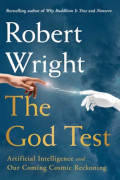
September archive (in progress). Music: Current count 46568 [46539] rated (+29), 25 [23] unrated +2). Advance Music Week appeared September 11 on Substack as Music Week (9:2). It is also archived here. My cutoff was done before the Substack post, but the introduction is revised. I figured September as the only breathing room I'm going to get before the Jazz Critics Poll wipes out the end of my year, so I should figure some things out, and get some work done. One thing was to revisit outlining my political book (aka, Something Weird). So I spent a couple days on that, then I remembered I should post some Notes on Everyday Life, so I knocked out my reminders of 2025 A-listed obscurities, for Non-Jazz and Jazz. Then I took another day and compiled some notes on Remembering 9/11. Good thing I got the latter out a day early, so I didn't get a chance to react against the day's overwhelmingly pathological press. Was this simply a major milestone effect? 25 years, a quarter century, a third of my life, was bound to garner more attention than 23 or 27, although Pearl Harbor Day and D-Day still get major press every year — unlike VE or VJ Day, or the formerly recognized Armistice Day, let alone the more ignominious ends of wars in Korea, Vietnam, and Afghanistan, or the Hiroshima and Nagasaki bombings. Evidently, victimhood and outrage used as pretexts to start wars are better for militarism than peace (either victorious or not), let alone our own atrocities. (D-Day is slightly different, less focus on sacrifice than on military prowess. Armistice Day was turned into Veterans Day, another celebration of the American war machine.) I'll probably collect a few Loose Tabs pieces on this, starting with Robert Wright: Always Forget:
The problem here is that memory is selective, and powerful people with their own militarist agenda are the ones deciding what we should remember. Wright gives two examples of things we might have learned from, but have instead already forgotten: US recruitment of mujahideen like Bin Laden to fight the communists in Afghanistan; and US military bases occupying Saudi Arabia after the 1990 Gulf War. Wright notes: "If the memory of 9/11 had set in motion trains of thought like this, I'd be OK with remembering." Wright's points are well-founded, but the history of American culpability for setting the context in which 9/11 happened goes much deeper. At least by 1953, when the CIA orchestrated a coup in Iran, the US was trying to use Islam as a weapon against "communists." During the 1970s, the US was encouraging Saudi Arabia to export its form of Salafism, even before Iran and Afghanistan became obvious targets. That Iranian clerics who did our bidding in 1953 would turn against against us in 1979 shouldn't have been surprising: we helped them against some of their enemies then, so why should we be surprised when they went on to help themselves? Bin Laden didn't become an American pawn because he wanted to serve Washington. He saw us as a stepping stone toward his own dreams. And why shouldn't he? We certainly had no compunction about using him for our own ends. I suspect that what the "never forget" crowd wants is not historical memory so much as emotional: they want us to feel the same as we did then, so they can claim our support for their own agenda. Forgetting might thwart their plans. As would remembering it all: the context that led to the events, and more importantly the consequences of indulging those feelings in retaliatory war. While I'd be happy to argue every facet of the history both before and after 9/11, in my piece, I sought a conclusion that depends very little on memory or history:
I'll leave this subject for now, but one I feel like pointing out one fleeting line from the 9/11 post: "Before [1975], I was studying. Later [after 2000], I've been reflecting." I think it was 1974 when I got my first real job, typesetting in St. Louis. I moved back to Wichita, got work, saved some money, moved to New York, and then got a programming job in New Jersey. My career as a software engineer ended in 2000, when SCO laid me off after I had moved back to Wichita. This period was one when I could easily ignore the political world, and I pretty much did. But prospects for a decent jobs in Wichita were slim, and my wife was making enough money for both of us to live on. I thought I might set up some kind of open source software business, possibly involving home automation, possibly websites. Or I could try my hand at writing. My leftist wife, who got me thinking about politics again (and especially on Palestine, where she was very critical of Isarel), chose the latter option. I'm not sure what I expected to write about, possibly the book I started in the 1990s about engineering and political philosophy? But music was a minor consideration. Michael Tatum and Robert Christgau were mostly responsible for that. It turned out to be a major time sink, but all the while I kept my eyes focused on the unfolding trainwreck of democracy in America. There's nothing much I can do about it, but I do have some fairly well developed thoughts on the subject, even if the articulation is proving difficult. Hence "reflecting" above. The link above, however, is very premature. It's something I should be working on now, instead of this, but everything I do write seems to be pointed in that direction.
Back to this, two quick notes on the music below:
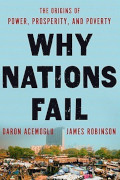
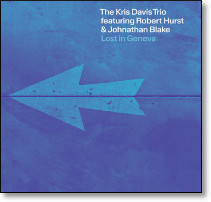
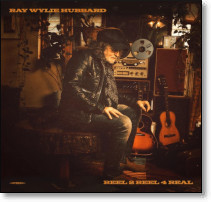
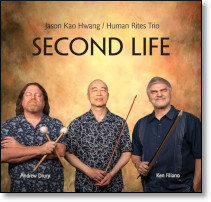
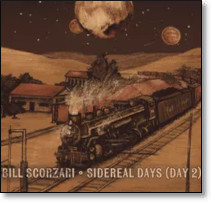
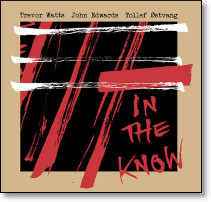
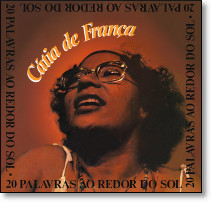
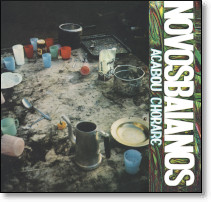
I'm near the end of Acemoglu & Robinson's Why Nations Fail: The Origins of Power, Prosperity, and Poverty. One thing that's missing from the book is a serious discussion of power, but there are hints of the truism that "power corrupts, and absolute power corrupts absolutely." I had other plans, but might just move on to Acemoglu's latest book, What Happened to Liberal Democracy? I have my theories, and they're not quite his, but his encyclopedic grasp of history is good food for thought. New records reviewed this week: Nicki Adams and Michael Eaton Featuring Francisco Mela: Arrival (2024 [2026], J-man): Pianist, from Arizona, based in Brooklyn, has a previous duo album with Patrick Adams (trumpet, probably related), and a couple albums with saxophonist Eaton (tenor/soprano). Modern postbop, originals by Adams (2) and Eaton (3), with covers of Cole Porter, Andrew Hill, Wayne Shorter, and Thom Yorke. The drummer just makes the others sound better. B+(***) [cd] Amyl and the Sniffers: Truth or Consequence: Live From El Coyote (2025 [2026], Rough Trade): Australian post-punk group, three good albums since 2019, but not like I remember songs and such. Sounds a bit flat, takes a while to get in gear, typical of live rock albums. B+(*) [sp] Towa Bird: Gentleman (2026, Interscope): British singer-songwriter Victoria Vergara-Bird, born in Hong Kong (parents British and Filipino), grew up in Thailand and London, second album. Mostly upbeat dance numbers, as it should be, but even the pace changers sneak up on you. Discogs had this on 2025, which had me wondering how such a major label album could have escaped notice, but other sources say 2026, and the artist website is promising to ship vinyl in September. A− [sp] Bitchin Bajas: Isle Peaks (2026, Drag City, EP): Chicago band led by Cooper Crain, who also plays guitar/organ in alt-rock band Cave, with Dan Quinlivan and Rob Frye. Discogs lists 21 albums since 2010, with this 2 song, 26:03 remix from the Inland See sessions counted among 7 EPs. First track is minimalist groove with extra sauce. Second is ambient with extra shimmer. B+(**) [sp] Liz Cracchiolo: The Kris Davis Trio: Lost in Geneva (2025 [2026], 4166): Covers continues: "featuring Robert Hurst & Johnathan Blake" (bass and drums). She's a superb pianist, with albums back to 2004, including one poll winner. I'm not much of a piano trio fan, so I usually need a horn to put an album over (Tony Malaby was prominent on her early albums). Still, this one holds up remarkably well. A− [cd] [09-25] Michael Dease: City Life: Music of Greg Hill (2024 [2025], Origin): Trombonist, meany albums since Dease Bones in 2007, including two previous albums of Hill's Compositions. This one is extended to 19 songs, 108 minutes, with two originals, two J.J. Johnson tunes, and one each from Sharel Cassity, Gregory Tardy, and Emily Remler, with Hill producing. Trio first set with Linda May Han Oh (bass) and Jeffrey "Tain" Watts (drums), with vocals on two tracks; second set adds Geoff Keezer (piano) and Nicole Glover (tenor sax). B+(***) [sp] Julia Holter: Materia (2026, Domino): Art pop singer-songwriter, self-released albums start in 2007, got some attention on RVNG in 2012 and more on Domino since 2013. Nice enough, but she's never clicked for me. B [sp] Ray Wylie Hubbard: Reel 2 Reel 4 Real (2026, Soundly Music): Country singer-songwriter, from Oklahoma but gravitating toward Texas (not Nashville), had a band in the 1970s called the Cowboy Twinkies. I never paid him much heed until he co-wrote a song for Hayes Carll's 2008 album, then liked it enough to cover it on his 2010 album — the first one that caught my ear, but they've been all aces since. A− [sp] Jason Kao Hwang/Human Rites Trio: Second Life (2024 [2026], Flying Panda Music): Violinist, from near Chicago, has a couple early albums c. 1990, picked up the pace around 2005, becoming my automatic poll pick after Billy Bang died. What both have in common is their ability to turn violin into a distinctive lead jazz instrument (as opposed to those who used it to swing with guitar leads, or to import from classical). Trio with Ken Filiano (bass) and Andrew Drury (percussion), follows an eponymous 2019 group album, distilling his art into its purest form. A− [cd] [10-01] Braxton Keith: Real Damn Deal (2026, Warner Nashville): Country singer, from Midland TX, first album, co-wrote most of his songs, pretty trad sounding. Seems likely to do well in Nashville. B+(*) [sp] The Necks: Disquiet (2025, Northern Spy, 3CD): Australian keyboards (Chris Abrahams), bass (Lloyd Swanton), and drums (Tony Buck) trio, several dozen albums since 1989, have developed a crossover following which gets them taken seriously as jazz and beyond. I resisted playing this due to sheer length (4 pieces, 179:28), but with some writing to do, I figured this wouldn't require much attention. It doesn't, although the first 15 minutes were pretty seductive, and I had to struggle to get back to work. B+(**) [bc] Carly Pearce: Honest Woman (2026, Stoney Creek): Country singer-songwriter, from Kentucky, fifth album since 2017, another good batch of songs. B+(***) [sp] Queen Herewin & PA. Dre: DOTOM: Death of the Old Me (2026, Matic): New York rapper, third album after a 2015 debut and last year's return, with a producer I can find nothing on. Draws on a lot of guest rappers, but she's probably sharper than they are. B+(**) [sp] Rapsody: God Gotta Afro & Gold Hoops (2026, We Each Other/Roc Nation): Rapper Marianna Evans, from North Carolina, fifth album since 2012, 43 now, moving boldly into a new phase of life. Extended meditations on blackness, the African group Karabo Ya Morena powering some cuts, another tune with George Clinton expressing "Love to Sun Ra." Pretty deep. A− [sp] Jim Rotondi & Dena DeRose: Out of the Past (2024 [2026], Cellar): Mainstream trumpet player, from Montana, debut 1997, a regular in One for All (18 albums 1997-2024), recorded this in Austria two weeks before his sudden death at 61, with the pianist-vocalist (she sings 5 of 8 songs), bass (Danny Ziemann), and drums (Mario Gonzi). B+(*) [sp] Bill Scorzari: Sidereal Days (Day 2) (2022-24 [2026], self-released): New York City attorney, originally from Kansas, decided to try out as a singer-songwriter around 2015, his productivity and skills picking up after retiring from his day job. Second batch of songs saved over from the sessions that produced his 2025 Sidereal Days (Day 1). His scratchy voice is approaching Tom Waits territory, but he's made good use of a chorus. The electric guitar has depth and resonance. The pace is moderate: no need to outrun the songs, which are deeper than ever. "And my mind's inclined to fix on only things I truly need." A [cd] [09-25] Co Streiff/Russ Johnson Quartet: Oracle (2023 [2026], Intakt): Swiss alto saxophonist, scattered credits back to 1984, but not a lot under her own name (two Sextet albums, a duo with Irène Schweizer, and a 2011 Quartet with Johnson, a Brooklyn-based trumpet player, also in her Sextet). With Christian Weber (bass) and Gerry Hemingway (drums). B+(***) [sp] Trevor Watts/John Edwards/Tollef Østvang: In the Know (2024 [2026], Motvind): Alto/soprano saxophonist, one of the founders of the British avant-garde (Spontaneous Music Ensemble, Amalgam, LJCO), which made him just shy of 85 when this was recorded: one 37:21 improv, with bass and drums. He's in terrific form here. A− [bc] Brennan Wedl: Brennan Wedl (2026, Anti-): Singer-songwriter from Minneapolis, based in Nashville, played guitar and sang in the group Dazey and the Scouts (one album, 2017). First solo album, after a 2019 EP and several singles. "Will you still want me when the crazy comes out?" B+(***) [sp] Charlie Worsham: Once Upon a Second Time Around (2026, ONErpm): Country singer-songwriter, self-described Marty Stuart disciple, from Mississippi to Berklee to Nashville, third album, after two 2013-17 Warners albums. Since then, he's been a journeyman guitarist, but seems to have picked up some tricks, and considerable trad feel. B+(***) [sp] Recent reissues, compilations, and vault discoveries: Irène Schweizer: Piano Solo: Prelude to a Kiss and More (1986 [2026], Intakt): Swiss avant-pianist (1941-2024), is best known for her duo albums with free jazz drummers, but is a powerful solo performer — as at least eight previous solo albums attest. B+(***) [sp] Sittin' With Blaze: A Tribute to Blaze Foley (2026, Lost Art): Texas country legend (1949-89), released few singles and a so-so album in 1984, but since his death numerous scraps have come out, as well as tributes — Gurf Morlix's Blaze Foley's 113th Wet Dream (2011) is probably the best. This batch of pretty good songs from the mid-1970s appeared in 2010. They get new singers with better voices here, including Lucinda Williams, John Moreland, Lucy Dacus, Phosphorescent, and others I'm less familiar with. B+(***) [sp] Old music: Nicki Adams & Michael Eaton: Paraphrase (2021 [2022], SteepleCase LookOut): Piano and tenor sax duo, their first album, Adams had a previous duo album with trumpet, Eaton a couple previous albums to 2014. Originals by Adams (1) and Eaton (3), plus covers of Shorter, Monk, Coltrane, and Tim Hagans. While I didn't notice the drummer on the new one, I miss him here. B+(**) [sp] Cátia De França: 20 Palavras Ao Redor Do Sol (1979, Epic): Brazilian singer-songwriter, from Paraiba in the Northeast, first album, of eight through 2024. Rhythm is strong, bits of accordion and violin add a distinctive texture. A− [sp] Blaze Foley: Sittin' by the Road (mid-1970s [2010], Lost Art): Twelve demo songs, dates uncertain, raw material for the Sittin' With Blaze various artists tribute. Songs are true enough. Not a very magnetic singer. B+(**) [bc] Blaze Foley and the Beaver Valley Boys: Cold, Cold World (1979-80 [2006], Lost Art): "First Texas studio recordings," with a band that included drummer Gurf Morlix. Repeats "Big Cheeseburgers & Good French Fries," possibly others. Voice is a bit more settled, and the band adds a little swing. His cult is such that they've scraped together quite a few posthumous releases (8 in my database, 5 heard so far). This is as enjoyable as any I've heard. B+(***) [bc] Blaze Foley: Live at the Austin Outhouse (1988 [1999], Lost Art): Live set, "recorded over two nights in 1988 just days before his tragic murder" at 39, so repeats several early songs. B+(*) [bc] Novos Baianos: Acabou Chorare (1972, Som Livre): Brazilian group, from Salvador — Bahia, in the northeast, home of forró, although experts say "samba rock" or "tropicalia." Second album (of 8 from 1970-78), tabbed by Rolling Stone Brasil in 2007 as tops among the "100 greatest Brazilian music records." Not much I've heard (or remember) on that list, but this is not just nice but pretty great. A− [sp] Queen Herawin: Metamorphosis (2015, Matic Entertainment): New York rapper Peridot Smith, cover identifies her as "of the Juggaknots," a group with siblings Paul Smith (Breeze Brewin) and Kevin Smith (Buddy Slim) that released two albums (1996, 2006). Runs noisy, but as one song points out, "there's a method to this madness." B+(***) [bc] Unpacking: Found in the mail last week:
|