|
An occasional blog about populist politics and popular music, not necessarily at the same time. LinksLocal Links Social Media My Other Websites Music Politics Others Networking Music DatabaseArtist Search: Website SearchGoogle: Recent Reading
Music DatabaseArtist Search: Website SearchGoogle: |
Saturday, October 10, 2026 Music Week
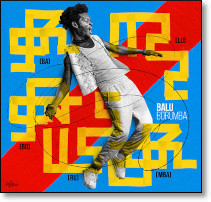
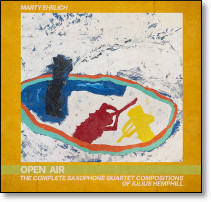
October archive (in progress). Music: Current count 46721 [46680] rated (+41), 24 [31] unrated -7). Advance Music Week appeared October 10 on Substack as Music Week (10:2). It is also archived here. My cutoff was done before the Substack post, but the introduction is revised/rewritten. Having done nothing but complain about my lack of productivity in September, I'm further embarrassed to have even less to show for the first third of October. It remains unseasonably hot, topping 90°F several days (including today). It seems like most of the time I'm just sitting at the computer, idly staring into space. I'm pretty close to just declaring myself done. But I do keep the music going, and this week the rated count went +41 (to 46721), and the unrated queue dropped by 7 (which counts CDs in hand, but not the possible downloads I so rarely get to). Every now and then, I snap close enough to consciousness to jot down a few notes, as well as a letter grade, which is simpler than calibrating adjectives, and serves as an aide de memoire to albums I'm less and less mindful of. But rather than write the entire week off, I suppose I could mention that I have made some slow and fitful progress on a rather serious essay about Israel I'm calling "Is It Possible to Negotiate a Gentler Genocide?" There are four major words there, and each presents serious problems, so one has to tread carefully. Yet one also has to finish the essay, which means skipping over or evading all sorts of deep digressions (including Godwin's Law). So I suppose a certain amount of staring into space may not necessarily be due to depression and lethargy. It's what we used to call thinking. Yesterday's post on the Gaza Apocalypse was a break for me: a chance to clear my head of some thoughts I didn't want to put in the essay, but I still felt like putting forth (e.g., the "eye-for-an-eye" line). And it helped serve as a reminder of what October 7, 2023 was, and was not: despite the drama, it was a mere blip in the much longer conflict; but it was also a reminder that even as powerful as Israel is, ordinary Israelis are not quite safe from the ramifications of their system of injustice. As with September 11, 2001, or for that matter the two Trump elections in 2016 and 2024, the horror of the day was overshadowed by the anticipation of horrors to come — a future that is far from done with us. And it checked off a post idea that I had bandied about for some time. The Hussein Agha/Robert Malley book, Tomorrow Is Yesterday, is one of the most insightful books available on the subject (at least, of the many I've read). The break helped push this out to the end of the week. That's probably the new normal, but it's nice to have no fixed day to haunt me. Especially given that "work" here is so indefinite, and so endless. A couple of minor notes on the music. Two of the reviews were initially written based on streaming, before I got a package of CDs from Out of Your Head. (I probably had download links before, but didn't bother.) Both resulted in upgrades. I doubt that would happen very often, but it's likely that there are more that got one stream play but could have benefited from more attention (Knuffke/Crispell?, Peace Anthems?). I'm not pushing for CDs, but sometimes they make a difference. (I suspect especially on the big packages labels are so reluctant to provide. It takes more patience than I can muster to slog through a long download, but broken up into digestible pieces, with some packaging, can really help. The Ma Rainey box is one I'm aware of, as is the Dave Holland; the forthcoming 2-CD set of Jelly Roll Morton is a bit more manageable, but still with old music much of the value is in the packaging.) I found the old live Jonathan Richman album after looking for a new old one recommended by Phil Overeem, which I didn't find. So not a sudden urge to hear his old (or any unheard) stuff. Nothing more in the old music section this time, after several weeks of going through Brad Luen's checklists. There's a bit more to find there, but it's getting hard, and with so much new music, checking out old is a rare luxury, or a an accident. After I posted on Substack, I sent out my usual announcements to X and Bluesky, and one to Facebook that combined mention of both pieces. I then got mail back from X telling me my account is suspended. The charge is "inauthentic activity," which covers a wide range of offenses (see these quite explicit definitions), none of which seem to be remotely applicable to my activity today: one account, clearly identified as myself (albeit without the blue checkmark), two tweets today, both with one Substack url and a few words up front. I've appealed, but it's quite possible I'm done with X. When I went to look up what I had sent, I was challenged to prove I'm a human. After I complied, they presented a second challenge: log in to the X app on my phone. I don't have the phone app, and I have no desire to download it, especially under duress. I've resisted complaints about Elon Musk turning X into a fascist cesspool, as bypassing the "for you" algorithm and just looking at those I was following was usually still useful. Still, the value there has steadily declined, while Musk's efforts at squeezing out more revenue have become ever more annoying. My view counts have declined from small hundreds into the teens. Next week may be eventful: Matty Winshow's documentary about Robert Christgau is coming to the Tallgrass Movie Festival, and Phyllis Bennis is coming to speak at the Global Learning Center's annual dinner. The week after that is my birthday, so I'm thinking about cooking something rather fabulous. Then comes first Israel's elections, then our own. I've started working on a Loose Tabs that should split the difference. After that, we will swing into Jazz Critics Poll season, most likely once again unprepared. And I'm likely to marvel, once again, at how quickly it all passes us by. New records reviewed this week: Jocelyn Balu: Borumba (2026, Vu Prod): Congolese vocalist, member of Bakolo Music International, first solo album. Touted as a future rumba star, hits the sweet spot, or as the Bandcamp page puts it, "fidèle à ce qui constitue la signature du genre et aux canons définis . . . de Nico à Luambo." A− [sp] Rahsaan Barber: Eternal (2025 [2026], Jazz City Music): Saxophonist, teaches at UNC, several albums since 2011, postbop quintet with guitar, piano, bass, and drums. B+(**) [cd] Matt Berninger: Type It Up (2026, Concord, EP): Vocalist-lyricist for the National since their founding in 1999, has two solo albums since 2020, plus this 5 song, 21:36 EP, including covers of New Order's "Blue Monday" and Lou Reed's "Who Loves the Sun." B+(*) [sp] David Binney: History:Memory (2026, Mythology): Alto saxophonist, has several dozen albums since 1990, Discogs counts 195 performance credits. This one is solo, using pedals for synth overtones. B [sp] Nat Birchall Quartet: Live at Low Four Studio, Manchester (2026, Ancient Archive of Sound): British tenor saxophonist, plays "spiritual jazz," which is heavily indebted to Coltrane. Long-running quartet, with Adam Fairhall (piano), Michael Bardon (bass), and Paul Hession (drums). B+(***) [bc] Michael Blake: Halloween Tales (2026, Baby Tank): Canadian tenor/soprano saxophonist, debut 1997, quartet with Gary Versace (piano), Ben Allison (bass), and Michael Sarin (drums). Mostly movie themes here, leading off with the theme from Halloween, adding "Witchcraft" and "The Creep." B+(**) [sp] Sam Blakeslee Large Group: New Blood (2023 [2026], Brooklyn Jazz Underground): Trombonist, debut album 2017, a quintet, but has mostly worked in big bands since then. Conventional big band, approximately, with guitar (Pete McCann), and a couple of guest spots. Alan Farber produced, with Erica Seguine conducting. B+(*) [sp] Curly Castro: Yaphet (2026, Backwoodz Studioz): Underground rapper, from Philadelphia, part of the duo Shrapknel, solo debut 2013, last heard from in 2021, with Locust producing the beats, and many features, notably Margel the Sophant. A− [sp] Amalie Dahl's Dafnie & Lisa Ullén: Live at Kafé Hærverk (2025 [2026], Trost): Danish alto saxophonist, group named for a 2022 album, freebop with trumpet, trombone, bass, and drums, adding the Swedish pianist here. B+(**) [sp] Marty Ehrlich: Open Air: The Complete Saxophone Quartet Compositions of Julius Hemphill (2025 [2026], Out of Your Head): Hemphill was an alto saxophonist (1940-95), from St. Louis, who recorded some important albums in the 1970s, but by 1977 was putting most of his effort into the World Saxophone Quartet, which has survived but never really replaced him. In recent years, there have been several attempts to revive his compositions, as well as releasing archival tapes. This is one of the most ambitious, with Allan Chase, Rob DeBellis, Brian Landrus, Andy Laster, Jeff Lederer, Lisa Parrott, and Jason Robinson joining Ehrlich. (There is also one "forgotten" track from 1997.) My problem is the one that I've long had with WSQ and its ilk: monophonic horns, focusing on harmony, sound slow and stodgy. I was inclined to write this off, but the CD showed up and got extra time, at which point the sheer beauty, especially on disc 2, swept me away. [Spotify, which I listened to initially, seems to be incomplete. Bandcamp only offers 5/42 tracks.] A− [cd] Event Horizon Jazz Quartet: Consternation (2026, self-released): Chicago area group, second album after a 2020 debut, led by Jim Kaczmarek (reeds) and Scott Mertens (keys), with Donn DeSanto (bass) and Rick Vitek (drums). B+(**) [sp] Enzo Favata: Ritornare (2026, ECM): Italian saxophonist (soprano here, with clarinet and bass clarinet), from Sardinia, has a fair number of albums (18 per Discogs) since 1992, this a group sometimes known as his Atlantico Quintet: Daniele de Bonaventura (bandoneon), Marcello Peghin (10-string guitar), Salvatore Maltana (bass), and U.T. Gandhi (drums). Folk-based, intricate, and generally lovely. B+(**) [sp] Firelife Trio: The Space Around the Sound Resounds (2025 [2026], Sonic Transmissions): Houston-based saxophonist Danny Kamins (soprano and alto here), has several albums since 2017, here backed by Dennis Gonzalez's sons Aaron (bass) and Stefan (drums). B+(***) [bc] Satoko Fujii Orchestra Nagoya: Kore Kara (2026, Libra): Fourth installment in this year's avant big band series, with one more still to come. Doesn't take off very fast, nor soar very far, although it does have some moments. B+(**) [cd] Phil Haynes 2 Horns & What?: Avant Modern/Jazz Now (2026, Corner Store Jazz, 2CD): Drummer, from Oregon, debut 1984, early on was closely associated with Paul Smoker. Two trios with two horns each: one with Nate Wooley (trumpet) and Peyton Pleninger (saxes), the second with Pleninger and Jonathan Ragonese (saxes). B+(***) [cd] Kiefer: Memory Bomb (2026, Blue Note): Pianist, mostly electric, last name Shackleford, from Los Angeles, sixth album since 2017, first on Blue Note, in what seems to be a return to the label's Mizell Brothers era (if you've forgotten, and why shouldn't you?, there's a 1972-76 compilation that the label released in 2005). I can't really hate the rinky-dink keys, the synth ambiance, or even the slick guest vocals and raps, at least until this slows to stall speed. B− [sp] Kirk Knuffke/Marilyn Crispell/Thommy Andersson: Paintbrush (2024 [2026], Sunnyside): Cornet, piano, and bass, recorded near Crispell's home base in Woodstock (actually, the late Karl Berger's studio, an influence and inspiration for all). Perhaps worthy of closer study. B+(**) [sp] Kwn: And All Pride Aside (2026, RCA): British singer-rapper Khyra Wilson, born in London, father Nigerian, mother Irish, second album (Wikipedia has it as 3 EPs, but this one is 11 songs, 38:47). B+(**) [sp] Miranda Lambert: Crisco (2026, Vanner): Tenth solo album since 2005, probably the best track record of any singer-songwriter in country music in that period, but this seems like a major slip up, and not entirely for embracing the concept of "country disco," whatever that is supposed to be. "Sunset Marquis" is clearly disco, but not very good. "Crisco" is more country, but also not very good. By the way, while my mother used to fry chicken in Crisco, she gave that up long ago, for schmaltz with a bare minimum of vegetable oil. I keep Crisco, but these days only use it for chicken and dumplings. B [sp] Gregory Lewis: Organ Monk Sings: Introducing Ms Raina (2026, Sunnyside): Organ player, released Organ Monk in 2010, and has stuck with that concept, here with album seven, a trio with Jerry Weldon (tenor sax) and Nasheet Waits (drums), adding singer Raina Welch this time. B+(*) [sp] Buddy Miller: Buddy Miller (2026, New West): Alt-country singer-songwriter, from Ohio, has recorded on his own or with friends since 1995, most significantly four albums (2001-23) with wife Julie, who wrote or co-wrote five (of 12) songs here. Buddy's songwriting is limited to three co-credits with Julie. This is one of his "and friends" albums, with many guest features. B+(**) [sp] Billy Mohler: Live in Europe (2025 [2026], Dox): Bassist-composer, started in rock bands, studied at Berklee, eight or so albums since 2019, this recorded at Bimhuis (Amsterdam) and Carambolage (Bolzano, Italy), with Hermon Mehari (trumpet), Francesco Bigoni (tenor sax), and Nate Wood (drums). B+(***) [bc] Tommy Muellner: Solitary Moon (2026, Calligram): Pianist, first album, postbop quintet with label regulars Geoff Bradfield (reeds/flute), Art Davis (trumpet), Clark Summers (bass), and Phil Gratteau (drums). Three originals, many standards. Runs 79 minutes. B+(**) [sp] Ekep Nkwelle: Caged Bird (2026, Mack Avenue): Singer, born and raised in/near DC, cites "musical worlds that shaped her — jazz tradition, gospel reverence, contemporary eclecticism and her Cameroonian heritage." First album, after side-credits with David Murray, Kenny Barron, Joel Ross, and Jazz at Lincoln Center. She could develop into Aretha Franklin, but (like her) needs better songs and arrangements. B+(*) [sp] Marek Pospieszalski Octet: Ever (2025 [2026], self-released): Polish tenor saxophonist, several albums since 2014, including three on Clean Feed. Octet includes a second tenor sax, trumpet, viola, guitar, piano, bass, and drums. B+(**) [bc] Jamie Safir: Momentum (2026, Chill Tone): British pianist, first album as leader, several side credits back to 2017, mostly trio with bass (Conor Chaplin) and drums (Luke Tomlinson) playing originals, with Iain Ballamy (tenor sax) joining in on about half of the tracks, staying uncharacteristically mellow. B+(**) [cd] Brandon Seabrook: Utility Modern (2026, Out of Your Head): Guitarist, also plays banjo, many side credits back to 2002, mostly free jazz but can veer into noise-rock. With Bill Frisell (guitar), Rahsaan Carter (bass), and Marcus Gilmore (drums). Bits of interest here when the banjo comes out, or when they risk some noise. B+(***) [cd] Judi Silvano's Garden Winds: First Flight (2024 [2026], JSL): Singer, has a dozen albums since 1992, way too operatic for my taste, especially in this company: Haruma Fukazawa (flutes), Claire De Brunner (bassoon). B− [cd] Kevin Sun: Kevin Sun, II (2024 [2026], Endectomorph Music): Tenor saxophonist, immediately impressed with his 2018 Trio, demonstrating considerable chops as well as a command of history. By my reckoning, he followed that up with four more A− albums, then slipped into the range of very honorable mentions; meanwhile running a record label that regularly produces interesting releases by others. This year he's come up with two simultaneous quartet albums, both recorded on the same day, so the numbering is rather arbitrary. This one I found more engaging, perhaps because Christian Li's piano adds dimensions I didn't find in the first volume, or maybe just because the saxophonist seemed more engaged from the start. With Walter Stinson (bass) and Kayvon Gordon (drums). B+(***) [cd] Kevin Sun: Kevin Sun, I (2024 [2026], Endectomorph Music): Quartet with Max Light (guitar), Walter Stinson (bass), and Jon Starks (drums), recorded the same day as II, presumably first, as it feels more tentative early on. B+(**) [cd] Trio Imagination: Creative Inspirations (2025 [2026], Pi): Last names on the spine: David Virelles (piano), Reggie Workman (bass), and Andrew Cyrille (drums). The pianist has often impressed me in the past, and one couldn't ask for a more storied rhythm section, but 4-5 plays in I still have to force myself to listen closely, and then it's just maybe. B+(*) [cd] Chris Whiteman/John Toomey Quartet: Live at Révéler (2025 [2026], self-released): Guitar and piano, backed by bass and drums. I'm only finding side-credits for both — more for Toomey, who goes back to 1982, and has a Quartet but second-billed to a singer (Laura Martier, in 2001). He's second here, nice accompaniment to a very pleasant guitarist, who also slipped a couple of originals in with eight standards. B+(***) [cd] Jerry Z: Break Allegro (2026, Drawbar): Hammond B3 organ player, last name Zaslavsky, possibly his first leader album, but side credits go back to 2002, including with guitarist Oz Noy and drummers Mike Clark and Lenny White — all noted on the cover here, as is Chad LB (tenor sax). B+(**) [cd] [10-09] Recent reissues, compilations, and vault discoveries: Roland Brival: Créole Gypsy (1980 [2026], Soundway): Singer-songwriter from Martinique (b. 1950), first album, also has a reputation as a novelist and painter. B+(*) [sp] Can: Live in Arles 1975 (1975 [2026], Mute): German experimental rock group, released 10 studio albums 1969-79, mostly a quartet of Irmin Schmidt (keyboards), Jaki Liebezeit (drums), Michael Karoli (guitar), and Holger Czukay (bass), some vocals early and late, but not much here. They had several reunions, but only Schmidt is still alive. During this period they had evolved into a something of a fusion-jazz band, like Soft Machine, and this set, the 7th in a series of restored live tapes, moves along deftly, its pieces merely numbered. B+(***) [sp] Stanley Cowell Trio: Illusion Suite (1972 [2026], ECM): Pianist (1941-2020), debut album was memorably titled Blues for the Viet Cong (1969, the first of two on Freedom), co-founded the Strata-East label in 1973, but recorded this one album for ECM, a trio with Stanley Clarke (bass) and Jimmy Hopps (drums), playing his own compositions. B+(***) [sp] Sir Roland Hanna: Songs of Hope, Inspiration and Joy (1990s-2002 [2026], IPO): Pianist (1932-2002), from Detroit, started in big bands in the 1950s, was a regular with Thad Jones/Mel Lewis, faded in the 1980s, but late in life recorded several albums for IPO, from which this largely undated solo work is drawn. B+(**) [sp] Peace Anthems (2026, Red Hook): A compilation of 13 new pieces, featuring: Qasim Naqvi, Taylor Deupree, Kalia Vandever, Thomas Morgan, BlankFor.ms, Moor Mother, Sungjae Son, Martha Deribe, Simone Maggio, Wadada Leo Smith, Amina Claudine Myers, Andrew Cyrille, and Kit Downes. Intent is to "approach peace as both subject and sonic practice." In practice, that leans toward ambient, notably with the Smith-Myers "Reflections on Palestine." B+(**) [sp] John Prine: Found Dogs (1995 [2026], Oh Boy): Folkie singer-songwriter (1946-2020), from Illinois, recorded four 1971-75 albums long regarded as classics, then three more for Asylum little remembered, then he started his own label. It took another decade before he released one of his all-time albums (The Missing Years, in 1991), followed up by the even-better Lost Dogs & Mixed Blessings (1995). Then he got cancer, wrecked his voice, and struggled, sometimes brilliantly, until Covid cut him down in the early days of the pandemic. His widow still runs his record company, and they've cultivated some fine talents (most famously Todd Snider and Kelsey Waldon), but the meal ticket is still his back catalog. The first five songs here are alternate versions of songs from the album, each interesting in its own right. The other five songs, including a Johnny Horton cover, are lesser affairs, at this point more endearing for the singer than for the songs. B+(***) [sp] Old music: The Modern Lovers: Precise Modern Lovers Order: Live in Berkeley and Boston (1971-73 [1994], Rounder): Jonathan Richman's group, from Boston, had recorded an album produced by John Cale in 1972, but unreleased until 1976, at which point it sounded prophetic. Live tapes from the period, very lo-fi, includes a cover of the Velvet Underground's "Foggy Notion" among their originals, some I haven't heard elsewhere. B+(*) [sp] Unpacking: Found in the mail last week:
|