|
An occasional blog about populist politics and popular music, not necessarily at the same time. LinksLocal Links Social Media My Other Websites Music Politics Others Networking Music DatabaseArtist Search: Website SearchGoogle: Recent Reading
Music DatabaseArtist Search: Website SearchGoogle: |
Monday, March 23, 2026 Music Week
Music: Current count 45700 [45655] rated (+45), 26 [39] unrated (-13). After last week's Music Week, I decided I really should publish a new Loose Tabs before the week was out. I had published my previous one on February 27, just hours before Trump started bombing Iran. I've been running about one Loose Tabs post per month, but the war news was coming so fast and furious I didn't want to wait a whole month. (Even so, the gap this time stretched out to 23 days.) In the meantime I wrote about the war in my Substack feed, Notes on Everyday Life, in a piece called Days of Infamy. Since then, I've decided to follow up with a second piece, which will try to reduce all the complexity and nuance of the war to four questions:
I'll probably take a more serious tone, but it's tempting to answer the first three flippantly:
Actually, each of those three could get very long and involved if I got into the history and how it has influenced what passes for thinking in these conservative/crypto-fascist political and military leaders and their coterie of advisers and operatives. (I should perhaps be more tentative in my views of the Iranians, both because I don't follow them as closely, and because I have less feel for their history and philosophical views, but it's a pretty safe bet I understand them better than Trump and Netanyahu do.) While I meant to post last night, the time got away from me, and I decided to wait until this afternoon: not to collect more links, but simply to add my table of contents, flesh out the section introductions a bit, and correct whatever typos I could find. But when I got up, my wife told me that Trump had called a pause in the bombing, citing productive diplomatic talks. That turned out to be not half what it was cracked up to be, but Trump did shelve his threat to start bombing Iranian power plants, causing blackouts and widespread damage and hardship. His hesitation probably saves retaliation against vulnerable infrastructure in the Persian Gulf states. Or it may signal a final recognition on Trump's part that Iran isn't going to be moved by ultimatums, no matter how deranged. I'm skeptical that Iran is going to "win" this war (to the extent that any war can be "won"), but the US is much more vulnerable, and more fragile, on many fronts than Trump was led to believe. And as these stresses interact and multiple, one shouldn't assume that the previous world order will hold. In my "Days of Infamy" piece, I spent a whole section on what I called "worser case scenarios." A week later, I find myself coming up with even worser cases. My plan is to come up with a set of equations, each modeling a key consideration. One needs to look at what concessions Iran can and cannot make, and figure out what among the former might satisfy Trump. What Trump did was as inexcusable as, say, Putin in Ukraine (or Bush in Iraq), yet still as long as he's the guy, savvy diplomats need to figure out how to save him some face, even as they pressure him into unwanted compromises. Accordingly, a big part of the question is what sort of pressures can be brought to bear on Trump. (I have various ideas there, but Arab money is one that seems to particularly appeal to him, or at least to his craven son-in-law.) Still, I don't need to figure this out, as I'll be way out of the inner circle. Some rough sketches should suffice. I wasn't only thinking about Iran last week. A while back, I went to the library, to return a couple books I hadn't found interesting enough to read, and see if I can pick up anything more appealing. I didn't really find anything other than Laura Field's Furious Minds, which I had just finished, but I checked out a couple of cookbooks for the hell of it. One was The Complete America's Test Kitchen TV Show Cookbook, which seemed to have definitive recipes for pretty much anything one might want to cook. I've never watched their shows, but I have a bunch of their cookbooks, and I especially use them for baking. I figured I might look it over, but would wind up ordering a copy, and using it as a fallback reference. Glancing through it today, I see some of what looks like excess complication: their matzo brei recipe calls for sauteeing onions, which I've never considered; the dumplings in their chicken & dumplings look right (I've always used shortening, but I could see using schmaltz if I had it handy), but their stock is basically chicken pot pie filler, lots of extras that detract from the dumplings. I just boil a chicken, strip off the meat, cook the dumplings in the stock, fold the chicken back in, check the seasoning. The other book I picked up was Pyet DeSpain's Rooted in Fire: A Celebration of Native American and Mexican Cooking. I've barely dabbled in Mexican — I have a Diana Kennedy guide, but found it much less helpful than ATK's The Best Mexican Recipes — and know nothing of Native American cooking other than corn-beans-squash plus the latter-day addition of fry bread. But a couple recipes piqued my interest, so I figured I'd check it out, and make a dinner. After I got my "Days of Infamy" piece up, I figured I was due some fun, so I went shopping. We have some pretty good Mexican grocers here, but I still had a tough time coming up with ingredients (especially on the salad front, which called for dandelion greens, purslane, and/or water cress), as well as things like maple sugar and prickly pear syrup (which I've now found on Amazon). You can find a pic and brief write up here. DeSpain is Potawatomi, living in northeast Kansas, and was "Winner of Gordon Ramsay's Next Level Chef season one," so the aim here is less authenticity than roots-inspired fusion. Unlike my ventures into national cuisines like Burmese or Cuban or Moroccan, where I could run through a broad range of traditional dishes, I doubt there is any single Native American cuisine, nor that this even captures one facet of it, but it is an interesting concept, and none of these were dishes I had ever attempted before. The menu is long enough for a birthday dinner:
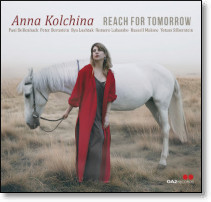
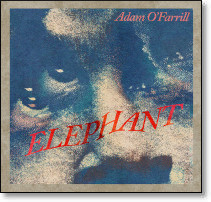
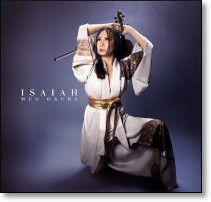
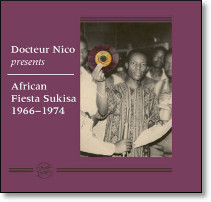
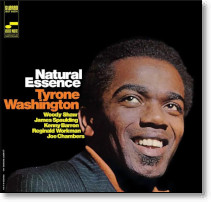
I bought more stuff than I used, including big chunk of bison (the book has three bison recipes: jerky, meatballs, braised), and various greens thinking I might substitute for use in the salads. I ran late, but a guest rescued the grill dishes while I fried the bread. I wound up using pre-shredded cheddar instead of shredding a block of cotijo I had ready. By the time I served dinner, the kitchen was as messed up as it had ever been. I was so exhausted I took a rare nap afterwards. Cleaned up in the middle of the night, and found more the next day. I thought everything came out very good. I should write some of the recipes down, but I might as well just buy the book. Not a lot more in the book I want to try. And although Laura has suggested a couple of these dishes should be in my "rotation," I don't really have such a thing. A quick check at Amazon shows several dozen other Native American cookbooks. As I suspected, there is a good deal of regional variation. A lot of records below. I've made a significant dent in the demo queue, picking them off in release date order until I moved well into next week. The reissues are old items that Blue Note recently reissued in their Tone Poet vinyl series. All of them are streamed, but I counted them as 2026 reissues, having initially listed them as such in my tracking file. I've cut back on tracking new releases quite a bit this year: aside from tracking my own reviews, I'm only adding things that come to me with specific recommendations. I may have to open this up later if/when we get into jazz critics polling, but I don't need to get into that now. New records reviewed this week: David Adewumi: The Flame Beneath the Silence (2024 [2026], Giant Step Arts): Trumpet player, first album, side-credits since 2020, label touts this "modern masters and new horizons series," offering him a live venue and major league support: Joel Ross (vibes), Linda May Han Oh (bass), and Marcus Gilmore (drums). He's off to a strong start? B+(***) [cd] [03-27] Tyrone Allen II: Upward (2024 [2026], Dreams and Fears): Bassist, based in Brooklyn, first album, a dozen side-credits back to 2018, with several notable younger players: Neta Raanan (tenor sax), Lex Korten (keys), Samantha Feliciano (harp), Aidan Lombard (trumpet), Kayvon Gordon (drums), Abe Nouri (live effects). B+(*) [cd] Aymeric Avice/Luke Stewart/Chad Taylor: Deep in the Earth High in the Sky (2025 [2026], RogueArt): I've seen every permutation of artist credit order for this, with my CD listing the Taylor (drums) first above the title, then last under the title, while Bandcamp lists Stewart (bass) first, with a cover scan that seems to favor Avice (trumpet). Discogs, with the same cover scan (I just got a CD with no packaging) credits Stewart first. I initially listed Taylor, but on second thought, let's give it to the French trumpeter (evidently his first album). Free jazz bash, with mbiras. B+(***) [cdr] Anthony Branker & Other Ways of Knowing: Manifestations of a Diasporic Groove & Spirit (2025 [2026], Origin): Composer and arranger, eleventh album since 2004, previous groups called Ascent and Imagine, this one well stocked with name talent: Steve Wilson (alto/soprano sax, flute), Pete McCann (guitars), Simona Premazzi (piano), John Hébert (bass), Rudy Royston (drums), and Aimée Allen (vocals). [cd] Carl Clements and the Real Jazz Trio: Retrospective (2024 [2026], Greydisc): Saxophonist (tenor/soprano, also bansuri), based in Massachusetts, half-dozen albums since 2004, all original pieces, backed by a European trio: piano (Jean-Yves Jung), bass (Johannes Schaedlich), and drums (Jes Biehl). B+(**) [cd] Daphni: Butterfly (2026, Jiaolong): British house producer Daniel Snaith, fourth album, label named for his 2012 debut. Nice bounce to it. B+(***) [sp] Dave Douglas: Four Freedoms (2025 [2026], Greenleaf Music): Trumpet player, many albums since 1993, live set from the Getxo Kultura Jazz Festival in Spain, quartet with Marta Warelis (piano), Nick Dunston (bass), and Joey Baron (drums). Tricky music. B+(**) [sp] Matt Dwonszyk: Live at the Sidedoor (2024 [2026], self-released): Bassist, third release as leader, eight originals, two covers, no musician credits on the packaging but per hype sheet: Josh Bruneau (trumpet), Matt Knoegel (tenor sax), Taber Gable (piano), Jonathan Barber (drums). The venue is located in Old Lyme, CT, and the musicians evidently have some kind of relationship to Jackie McLean. It comes through, and maybe a bit of Mingus too. B+(***) [cd] Kim Gordon: Play Me (2026, Matador): Sonic Youth's better half, third solo studio album, "relies primarily on Gordon's trap vocals, [producer Justin] Raisen's industrial textures, and trip hop beats." Short (29:55) and rather cryptic. B+(***) [sp] Simon Hanes: Gargantua (2024 [2026], Pyroclastic): California-born, Brooklyn-based composer/arranger, has a couple previous albums, draws inspiration from Rabelais for this "audacious new album," featuring three soprano voices, backed by three each on French horns, trombones, basses, and drum sets. The voices are the sticking point with me. B+(**) [cd] [03-27] Alexander Hawkins/Taylor Ho Bynum: A Near Permanent State of Wonder (2024 [2025], RogueArt): Piano and trumpet (well, actually cornet and flugelhorn) duo, free jazz players of repute, and considerable rapport. B+(***) [cdr] Steven Husted and Friends: Two Nights - "Live!" (2025 [2026], self-released): Bassist, worked in Bay Area before moving to Austin, website has two previous albums but none in Discogs. With sax (Grant Teeple) on the first half, guitar (Matt Berger) picking up the slack on the second, backed by keys (Milo Hehmsoth), and drums (Israel Yanez), playing eight originals plus standards by Irving Berlin, Clifford Brown, and Hank Mobley. Nice mainstream jazz. Runs over 77 minutes. B+(*) [cd] The Interplay Jazz Orchestra: Bite Your Tongue (2025 [2026], Bigtime): Big band, directed by Joey Devassy (trombone) and Gary Henderson (trumpet), formed in 2013 but this is the only album I've found, three Devassy originals plus six standards, some sharp solo work, especially in the saxophone section. B+(***) [cd] Javon Jackson: Jackson Plays Dylan (2025 [2026], Solid Jackson/Palmetto): Tenor saxophonist, has done impressive work since his 1991 debut, but hasn't always made the best choices. Plays ten Bob Dylan tunes here (after an original intro), backed by keyboards (Jeremy Manasia), bass, and drums, with two guest vocalists (Lisa Fischer and Nicole Zuraitis), singing the two canon songs I least want to ever hear the lyrics to ever again. I've heard a lot of Dylan over the years, and almost never want to hear him again these days. I've often been out of sync with other critics, which may have led to some bad feelings. But I was surprised by the three Jewels & Binoculars albums, where his melodies proved fruitful for a purely instrumental jazz trio. But this isn't that. B+(*) [cd] [03-27] Anna Kolchina: Reach for Tomorrow (2021-25 [2026], OA2): Standards singer from "the Soviet Union about 18 hours from Moscow" (an odd measurement that could mean dozens or thousands of miles, but evidently someplace with horses), moved to New York City in 2017, "a place where you can become friends with your heroes." At least one previous album, as well as a connection to Sheila Jordan. Twelve songs recorded over several years, each backed by a sole guitarist: Paul Bollenback, Peter Bernstein, Ilya Lushtak, Romero Lubambo, Russell Malone, Yotam Silberstein. I couldn't sort out the guitarists, but they might make an interesting blindfold test. They are all fine, and the singer shines with such minimal support. A- [cd] Ladytron: Paradises (2026, Nettwerk): English electropop band, eighth studio album since 2001, a long one with 16 songs running 71:31, Daniel Hunt the composer, Helen Marnie the lead vocalist. B+(*) [sp] Julian Lage: Scenes From Above (2025 [2026], Blue Note): Well-regarded guitarist, debut 2009, sixth Blue Note album, featuring credits for John Medeski (organ/piano), Jorge Roeder (bass), and Kenny Wolleson (drums), with a couple credits for Patrick Waren (dulcitone, strings). He often strikes me as a bit languid, but on occasion, Medeski kicks this up a notch. B+(*) [sp] Brian Landrus: Just When You Think You Know (2025 [2026], BlueLand/Palmetto): Baritone saxophonist, albums since 2007, also plays some tenor, bass clarinet, and flutes (down to bass flute), along with Zaccai Curtis (keyboards), Dave Stryker (guitars), Lonnie Plaxico (basses), and Rudy Royston (drums). Veers a bit toward easy listening. B+(*) [cd] Tom Lippincott: Ode to the Possible (2025 [2026], self-released): Guitarist, plays an 8-string model with electronics, first album under his own name although he has scattered credits back to 1990. Qfuartet with David Fernandez (strong tenor/soprano sax), bass, and drums, plus a Camila Meza vocal on one track. B+(**) [cd] Lisanne Lyons: May I Come In (2022-24 [2026], OA2): Standards singer, started in the Air Force, has sung in ghost bands (Harry James, Maynard Ferguson), first album, backed by a big band plus strings, produced by Mike Lewis. B+(**) [cd] Luke Norris: Moment From the Past (2023 [2026], self-released): Saxophonist, also plays clarinet and synths, has a previous album from 2020, here with Dabin Ryu (keyboards), Tyrone Allen (basses), and Kayvon Gordon (drums), with Abe Nouri adding some "wildly inventive post-production." B+(***) [cd] Adam O'Farrill: Elephant (2024 [2025], Out of Your Head): Trumpet player, son of Afro-Cuban Jazz majordomo Arturo O'Farrill (himself the son of famed Cuban bandleader Chico O'Farrill), has the chops to ply the family trade but on his own plays uninflected but often brilliant postbop. Quartet with Yvonne Rogers (piano), Walter Stinson (bass), and Russell Holzman (drums), with some electronics. A- [cd] Meg Okura/Pan Asian Chamber Jazz Ensemble: Isaiah (2022 [2026], Adhyâropa): Violinist, born in Japan, makes a point in the notes of being an outsider ("an immigrant, a Jew by choice in an interracial marriage, and as a musician moving from classical to jazz"), but finding "solace" in composing, and in leading this twenty-year group with prominent names that don't strike me as conspicuously Asian. It's a terrific group, augmented by guests like Randy Brecker and Sam Newsome, playing scores that come from and go to pretty much everywhere. A- [cd] Chenxi Pan: This Very Moment (2025 [2026], Origin): Jazz singer-songwriter, from China, moved to New York 2021, debut album, with tenor sax/clarinet, piano, guitar, bass, drums, violin, and cello. Matt Wilson produced. B [cd] Poppy: Empty Hands (2026, Sumerian): Singer-songwriter Moriah Rose Pereira, tenth album since 2016, opens in pop mode, but follows up with metal thrash, which I'm surprised to enjoy more. B+(*) [sp] Benjie Porecki: Faster Than We Know (2026, Funklove Productions): Pianist, also plays organ and other keyboards, from the DC area, eighth album sice 1996, eight original pieces plus a cover of "Superstar" (which I'm told was "famously covered by the Carpenters," but I associate with songwriters Bonnie Bramlett and Leon Russell). I prefer the piano to the organ. B+(*) [cd] Reverso: Between Two Silences (2024 [2026], Alternate Side): Trombonist Ryan Keberle, his name no longer up front in this chamber jazz trio, with Frank Woeste (piano) and Vincent Courtois (cello), in what is at least their fifth album together (back to a Ravel-inspired 2017 album), this one original material from all three (3-5-2), this time inspired by Satie. B+(***) [cd] [03-27] Joel Ross: Gospel Music (2026, Blue Note): Vibraphonist, grew up in Chicago, based in Brooklyn, fifth Blue Note album since 2019 (or 7th if you cound Out Of/Into, the "supergroup" I file under his name). Mostly original pieces (two exceptions), mostly quintet with Josh Johnson (alto sax), Maria Grand (tenor sax), Jeremy Corren (piano), Kanoa Mendenhall (bass), and Jeremy Dutton (drums), with a couple of guest spots for vocals and others (like Brandee Younger on harp). B+(**) [sp] Harvie S: Bright Dawn (2024 [2026], Origin): Bassist, originally Swartz, shortened his name because so many people (including me) misspelled it, side-credit since 1973, has a couple dozen albums as leader or in duos (notably with Sheila Jordan). Quartet here with Peter Bernstein (guitar), Miki Hayama (piano), and Matt Wilson (drums). B+(**) [cd] Walter Smith III: Twio Vol. 2 (2026, Blue Note): Tenor saxophonist, from Houston, studied at Berklee and now chairs the woodwind department there, debut 2006, third album on Blue Note, revisits the concept of his 2018 album Twio, with a trio playing standards supplemented by two "eminent elders" (this time Ron Carter and Branford Marsalis; the bassist and drummer are also new this time, Joe Sanders and Kendrick Scott). B+(***) [sp] Yuyo Sotashe & Chris Pattishall: Invocation (2022 [2026], self-released, EP): Singer and piano (or synths or sound design), four songs, 20:35, makes an impression. B+(**) [cd] Harriet Tubman & Georgia Muldrow: Electrical Field of Love (2026, Pi): Avant-fusion trio of Brandon Ross (guitar/banjo), Melvin Gibbs (electric bass), and JT Lewis (drums), sixth album since 1998, with Muldrow added for vocals and keyboards (more than a dozen albums on her own since 2006). Heavy. B+(***) [cd] [03-27] Immanuel Wilkins Quartet: Live at the Village Vanguard Vol. 1 (2025 [2026], Blue Note): Alto saxophonist, became an instant star when Blue Note released his Omega in 2020, has made the rounds as well as keynoting the Out Of/Into label all-star group. First live album, with Micah Thomas (piano), Ryoma Takenaga (bass), and Kweku Sumbry (drums); is being rolled out in bits, with this on CD and LP, and later digital-only releases for Vol. 2 (April 17) and Vol. 3 (May 15). I imagine that at some point I'll have to treat the combination as a single album, at least for polling purposes. I'm underwhelmed so far, but I've upgraded him in the past. B+(**) [sp] Winged Wheel: Desert So Green (2025 [2026], 12XU): Discogs calls then "an indie supergroup," although I recognize just one name (Steve Shelley, from Sonic Youth), and two more bands (Circuit des Yeux, Tyvek), and never ran across their two previous albums. Does have a little Sonic Youth background sound. B+(**) [sp] Jack Wood: For Every Man There's a Woman (2026, Jazz Hang): Standards crooner, "long a fixture in Southern California," has connections to Las Vegas and Utah (where most of this was recorded, cover cites special guests: The Lenore Raphael Trio with guitarist Doug MacDonald. Also strings. I have something of a soft spot for this sort of thing. B+(***) [cd] [03-24] Recent reissues, compilations, and vault discoveries: Docteur Nico: Presents African Fiesta Sukisa 1966-1974 (1966-74 [2025], Planet Ilunga): Congolese guitarist and bandleader Nico Kassanda (1939-85), joined Grand Kalle et l'African Jazz at age 14, left with Tabu Ley Rochereau to form L'Orchestra African Fiesta, discography has always been spotty, but this rounds up a prime period slice from his Sukisa label, available on 3-LP or with bonus songs for digital. A- [bc] Hank Mobley Sextet: Hank (1957 [2026], Blue Note): Tenor saxophonist, Leonard Feather called him the "middleweight champion of the tenor saxophone," which suggested that he couldn't compete with Coltrane and Rollins, but was masterful under any other light. This is pretty early, but one of seven albums from 1957 that Wikipedia lists, most with redundant or unimaginative titles, some tied to his membership in the Jazz Messengers. With John Jenkins (alto sax), Donald Byrd (trumpet), Bobby Timmons (piano), Wilbur Ware (bass), and Philly Joe Jones (drums). Reissued in Blue Note's Tone Poet series. B+(***) [yt] Lee Morgan: City Lights (1957 [2026], Blue Note): Trumpet player, a key player in Art Blakey's Jazz Messengers, off to a very solid solo career. With George Coleman (tenor/alto sax), Ray Bryant (piano), Paul Chambers (bass), and Art Taylor (drums). Superb when he goes in hot, less so with a ballad. B+(**) [sp] Tyrone Washington: Natural Essence (1967 [2026], Blue Note): Tenor saxophonist, b. 1944, recorded three albums 1968-74, leaving music for religious reasons, and eventually becoming a Sunni Muslim minister (as Mohammad Bilal Abdullah). He joined Horace Silver for The Jody Grind in 1966, and Larry Young for Contrasts in 1967. This was his first as leader, with Woody Shaw (trumpet), James Spaulding (alto sax/flute), Kenny Barron (piano), Reggie Workman (bass), and Joe Chambers (drums). This is pretty exciting, especially Shaw. Evidently a second Blue Note session was recorded but never released. A- [sp] Old music: Hank Mobley: With Donald Byrd and Lee Morgan (1956 [1957], Blue Note): Tenor saxophonist, one of seven albums he released in 1957, a four-song hard bop blowing session with the two trumpet players, piano (Horace Silver), bass (Paul Chambers), and drums (Charlie Persip). B+(**) [sp] Hank Mobley: A Caddy for Daddy (1965 [1966], Blue Note): One of the few 1960s albums I missed by the tenor saxophonist, a sextet with Lee Morgan (trumpet), Curtis Fuller (trombone), McCoy Tyner (piano), Bob Cranshaw (bass), and Billy Higgins (drums), playing four originals and one Wayne Shorter piece. B+(*) [sp] Barbara Rosene With Vince Giordano & the Nighthawks: Deep Night (2000-01 [2001], Stomp Off): Trad/swing jazz singer, Michael Steinman raved about a recent performance so I thought I'd look her up. Nothing new since 2013's Nice & Naughty, but I had missed this first album, and I felt like a break from the new stuff. Discogs doesn't list musicians, but Giordano plays tuba and bass, and his band recorded from 1984-2006 (also backing Loudon Wainwright III on his 2020 I'd Rather Lead a Band). AI suggests Conal Fowkes (piano), Dan Levinson (sax/clarinet), Jon-Erik Kellso (trumpet), and Andy Stein (violin). B+(**) [sp] Barbara Rosene & Her New Yorkers: Ev'rything's Made for Love (2003, Stomp Off): Another generous batch of old-timey songs (25, 73:40), backed by a nine-piece band where Jon-Erik Kellso (trumpet) and John Gill (drums) are probably the best known, with notable contributions by Conal Fowkes (piano), Matt Munisteri (guitar/banjo), and Meg Okura (violin). B+(***) [sp] Unpacking: Found in the mail last week:
|